






For the first year of working from home, I was a dedicated laptop user. I loved the flexibility, but I was also in denial about its downsides. My neck constantly hurt from looking down, my desk was a permanent mess of adapters and cables for my external monitor, and every morning started with the tedious ritual of plugging everything in. The moment I realized I needed a change was when I spent ten minutes untangling cables just to join a video call. I knew there had to be a better way to build a serious, long-term home office setup.
This frustration is the starting point for many professionals today. We need a proper work from home computer, but the choices can be paralyzing. Do you commit to the minimalist dream of an All-in-One (AIO) PC? Prioritize the hybrid-work freedom of a laptop? Or build a powerhouse with a traditional desktop PC? We'll move beyond specs to explore the practical realities of each machine in the ultimate AIO vs laptop vs desktop showdown.

The 3 Contenders
Before we dive into a direct comparison, let’s get to know our three contenders and what they stand for.
1. The All-in-One (AIO): "The Minimalist"
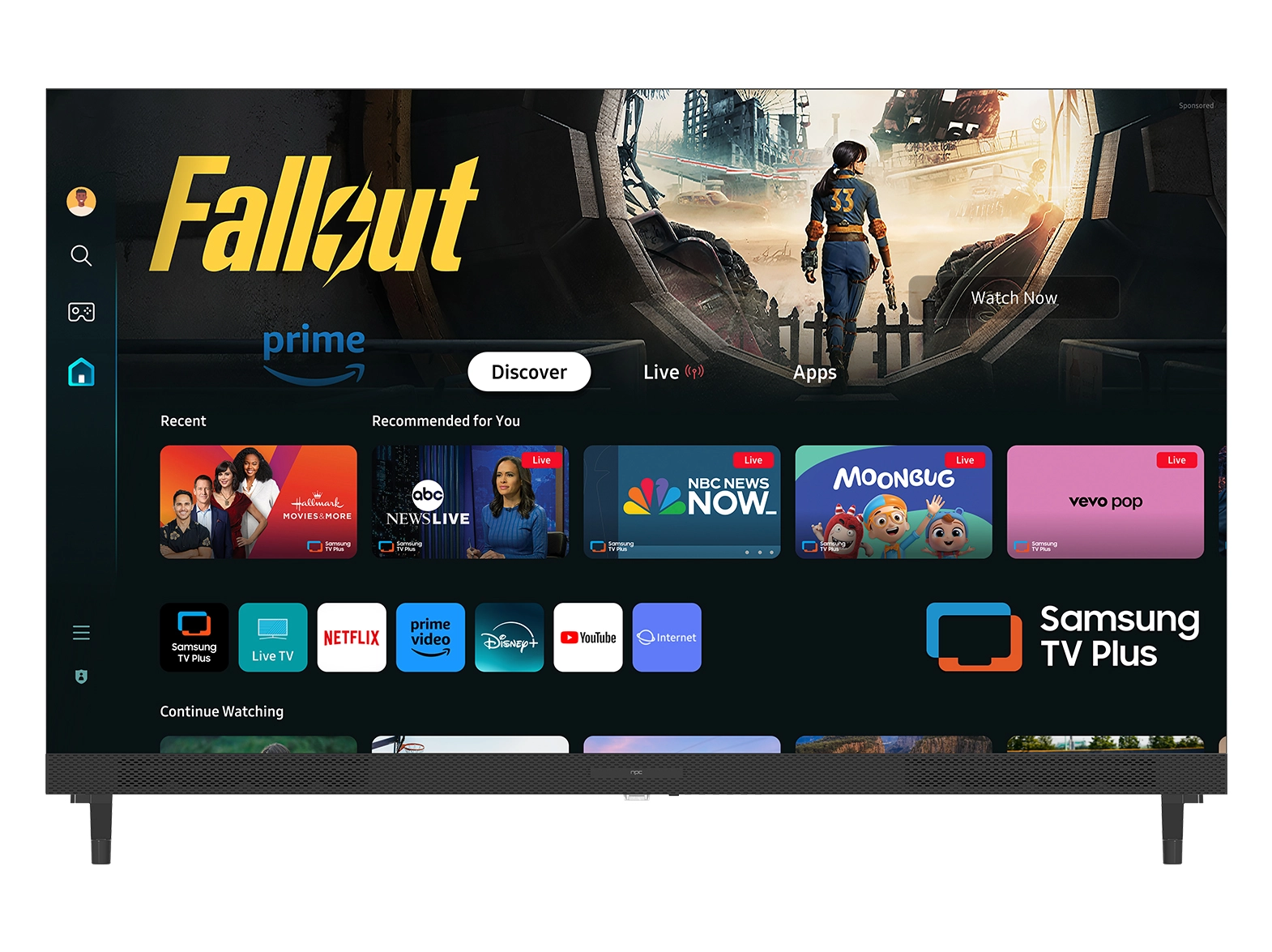
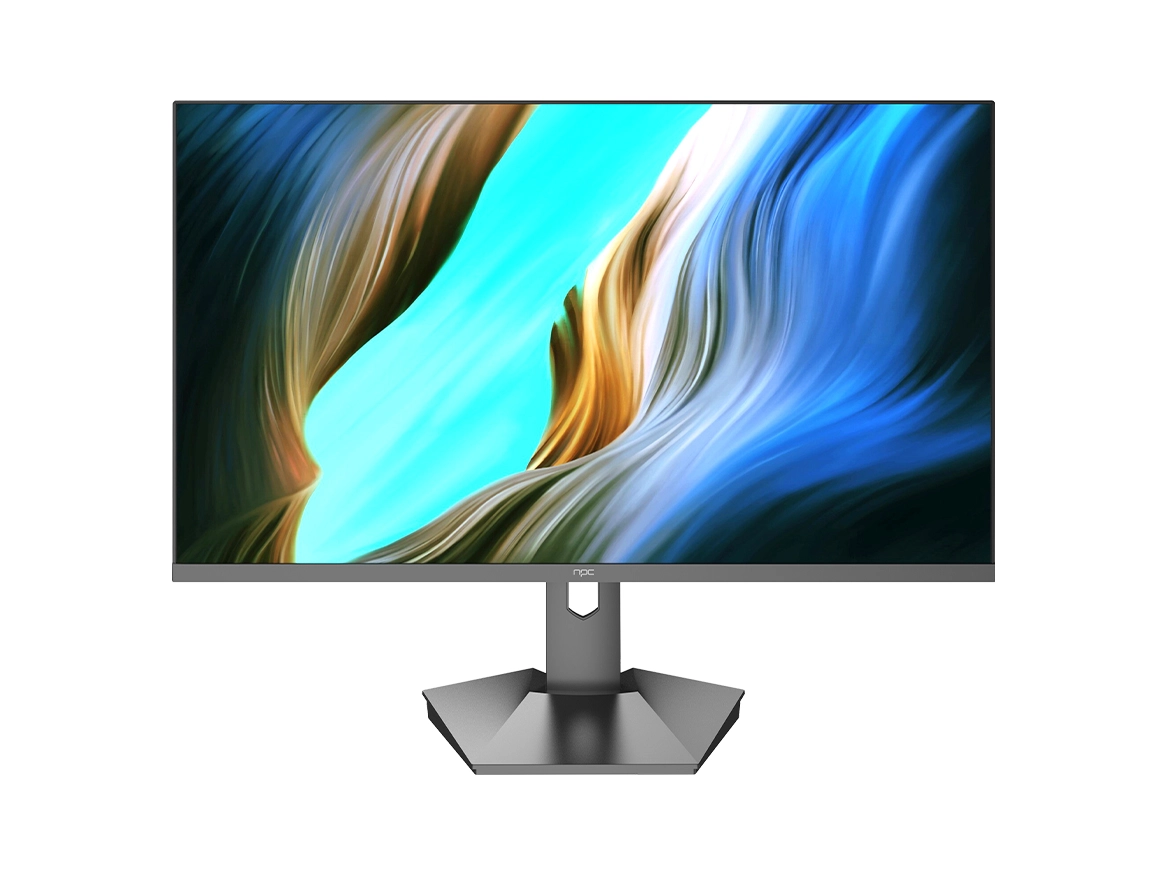
The AIO is the champion of simplicity and design. It integrates the entire computer—processor, storage, memory, speakers, and webcam—into the body of the monitor. With just a single power cord, it’s designed for users who crave a powerful, capable, and clutter-free workspace straight out of the box.
2. The Laptop: "The Nomad"
The laptop is the undisputed king of flexibility. Built for portability, it allows you to work from your desk, the couch, a coffee shop, or the corporate office with seamless ease. It’s the perfect tool for the modern hybrid worker whose office is wherever they happen to be.
3. The Desktop: "The Customizer"
The traditional desktop tower is a monument to power and potential. Offering maximum performance for the price, its true value lies in its endless customizability. For the user who loves to tinker, upgrade, and build a machine tailored to their exact specifications, the desktop is a playground of possibilities.
Core Comparison Criteria
To determine the best machine for you, we must evaluate them based on the factors that matter most in a day-to-day work environment. As someone who has used all three setups, here’s my hands-on take on the factors that truly matter.
1. Workspace & Aesthetics
I'm the kind of person who can't focus with a messy desk; for me, cable clutter is mental clutter. For years, I fought a losing battle with my laptop's "docking station"—a tangled web of a power brick, a display cable, a USB hub, and a charging cord. It was functional, but it was ugly and chaotic. This is where the AIO fundamentally changed my home office setup. Its one-cord design wasn't just a feature; it was a daily productivity boost. In contrast, while a Laptop is clean on its own, it inevitably creates clutter at a permanent workstation. The Desktop, of course, with its tower and cables, requires the most discipline to keep tidy.
2. Ergonomics & Comfort
After my first full year of working from home, I developed what I now call the "WFH slouch." My neck and shoulders were constantly tense from hunching over my laptop, even when it was on a stand. The switch to a large, properly positioned, eye-level screen was a revelation. I found myself sitting upright naturally, without the constant reminders. This is a crucial health benefit you get instantly with an AIO or a well-configured Desktop setup. A Laptop can be made ergonomic, but only with a collection of stands and external peripherals that add to the clutter I was trying to escape.
3. Performance & Power Usage
So, what level of performance does a WFH professional truly need? My own experience was revealing. I repurposed my old gaming PC, which runs a 12th Gen Intel Core i3-12100F and an NVIDIA GTX 1660S graphics card. I was initially concerned the CPU would be a bottleneck, but the opposite was true. While juggling dozens of browser tabs and office apps, the Core i3 CPU handled the load effortlessly. The powerful GTX 1660S, however, sat almost completely idle, with its usage consistently near 0%.
The lesson was clear: for most office work, a powerful dedicated graphics card is performance overkill, consuming extra power and creating unnecessary fan noise. The true keys to a snappy office experience are a responsive modern CPU (an i5 or even an i3 is plenty), 16GB of RAM, and a fast solid-state drive (SSD). This is exactly where AIOs and Laptops shine, as they are often equipped with power-efficient components perfectly balanced for these tasks.

4. Flexibility & Mobility
I had to be honest with myself about my own work style. While 90% of my time is at my home desk, there are days I need to go into the corporate office or just work from a coffee shop for a change of scenery. On those days, my Laptop is absolutely non-negotiable. This is its superpower. For anyone in a hybrid role or who travels frequently, the debate of AIO vs laptop often ends right here. The laptop’s ability to be a true go-anywhere office is a modern marvel that the stationary AIO and Desktop simply cannot compete with.
5. Long-Term Value & Upgradability
My repurposed gaming PC is a perfect example of the Desktop's long-term value. It started its life as a gaming machine, and years later, with a simple SSD upgrade and a fresh OS install, it became a fantastic office computer. That ability to evolve is the desktop's greatest strength and what makes it a favorite for tinkerers. AIOs and Laptops, on the other hand, are more like high-end appliances. You buy them for the seamless, integrated experience they offer today, knowing you're investing in a complete, sealed package rather than a modular, endlessly upgradable system.
The Verdict
So, which work from home computer is right for you? It all comes down to your personal work style.
Choose an All-in-One (AIO) if:
You work from a permanent, dedicated home office.
Your highest priority is a clean, minimalist, and professional home office setup.
You value the out-of-the-box convenience of a large, high-quality screen and excellent ergonomics.
Your work is primarily desk-based, and you want the simplest, most elegant tool for the job.
Choose a Laptop if:
You have a hybrid work schedule and need to move between locations.
Flexibility and portability are your non-negotiable top priorities.
Your workspace is not fixed (e.g., you work from the dining table or living room).
You are willing to trade some desktop comfort for the freedom to work anywhere.
Choose a Desktop if:
Your work involves heavy-duty tasks like professional video editing, 3D modeling, or data rendering.
You are a tech enthusiast who enjoys building, customizing, and upgrading your own hardware.
You want the absolute maximum performance-per-dollar and plan to also use the PC for high-end gaming.

Conclusion
What does exist is the perfect computer for you and your unique workflow. The choice ultimately comes down to one simple question: Where does your work truly happen?
My best advice is this: Don't get lost in spec sheets. Trust your workflow, prioritize your long-term comfort, and choose the tool that gets out of your way and lets you do your best work.
Ready to build your ideal home office? Browse NPC’s curated selections of All-in-One PCs and Laptops to find the perfect fit for your workflow.
About Guangzhou Xianyou Intelligent Technology Co., Ltd (NPC Electronics)
Here at NPC, we believe technology should simplify your life, not complicate it. For over 20 years, we've been passionate about helping people create more productive, comfortable, and beautiful workspaces. That's why we don't sell everything; we meticulously curate and design All-in-One PCs and Laptops that we believe are the best tools for modern professionals, students, and families. Our goal is to provide not just a product, but a better overall experience.
Learn more about our mission.


