
Choosing a television for a retail portfolio, hospitality project, or regional distribution program requires more than comparing screen sizes. Buyers also need to understand how LED display technology works and which specifications affect everyday viewing. For an OEM-oriented buyer evaluating the best LED TV manufacturer, this means looking beyond a product label toward display architecture, resolution, smart functions, compatibility, and supplier capability.
What Happens Inside an LED TV?
The term LED TV generally refers to an LCD television that uses LEDs as its backlight. The backlight illuminates the screen while the LCD layer controls how light passes through pixels to create the image. Sony describes several backlighting approaches, including edge-lit, direct-lit, and full-array systems, each affecting how brightness is distributed across the screen.
This distinction matters when comparing products for different channels. A model intended for everyday home entertainment may prioritize balanced brightness and cost, while a premium display can place greater emphasis on contrast control and more advanced backlighting. For business buyers, understanding the architecture helps prevent specifications from being compared without considering the intended application.
Resolution Is a Core Specification
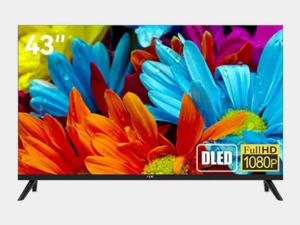
Resolution indicates the number of pixels used to form the picture. Full HD, commonly written as 1920 × 1080, provides more pixels than HD and fewer than Ultra HD 4K, which is 3840 × 2160. NPC’s product information identifies the XF43AS220N as an FHD Smart TV, placing it in the 1920 × 1080 category.
For distributors and project buyers, resolution should be matched with screen size, viewing distance, content sources, and price positioning. Higher resolution is not automatically necessary for every application. A well-positioned FHD model can remain relevant where buyers prioritize accessible pricing and mainstream viewing over premium 4K specifications.
Look at HDR and Picture Compatibility
HDR, or High Dynamic Range, is another feature buyers should examine because it concerns the way compatible content can present brightness, contrast, and image detail. However, HDR compatibility should be considered alongside the TV’s overall display capabilities and the content available in the target market.
The XF43AS220N supports HDR compatibility and combines this with a Full HD display platform. For a business buyer, this type of specification should be communicated accurately: compatibility does not mean every piece of content is automatically HDR, so product listings and channel materials should distinguish supported formats and actual source content.
Smart TV Features Affect Product Value
A modern television is also a connected entertainment device. Streaming application availability, operating system integration, connectivity, user interface, and content access can influence how easily a TV fits into a customer’s daily routine.
The XF43AS220N runs on whaleOS and is compatible with Netflix, Prime Video, YouTube, and ThinQ AI. NPC’s whaleOS range is built around the AOSP operating system and integrates certified access to popular applications. For buyers comparing the best LED TV manufacturer, smart-platform compatibility can therefore be as commercially relevant as panel specifications.
Check the Feature Set Against the Market
business purchasing decisions should begin with the target market rather than with a long list of premium features. Retailers may need a clear combination of screen size, resolution, smart functions, and price. Hospitality buyers may instead focus on deployment consistency, content access, and service considerations. Importers can also need stable product positioning across different regions.
This is where supplier communication becomes important. A manufacturer should provide information specific enough for purchasing, marketing, and technical review. Buyers should therefore compare not only individual specifications but also whether product documentation clearly supports those specifications.
Consider Manufacturing and Product Portfolio Capability
A television supplier is part of a broader commercial supply chain. Consistent manufacturing, product development, quality management, and an appropriate portfolio can affect how efficiently buyers expand or refresh their product offerings. For OEM and distribution customers, these capabilities can matter when a single model must fit a broader category strategy.
At NPC, we are a technology manufacturing enterprise specializing in smart TVs, monitors, and computing products. We develop products across display categories, including smart TVs using different platforms and display technologies. Our public product portfolio includes whaleOS TVs, webOS TVs, Tizen OS TVs, and MiniLED products, allowing buyers to evaluate solutions according to market positioning.
Build a Practical Evaluation Checklist
Before selecting a supplier, business buyers can organize the review around several questions. Is the display technology clearly identified? Does the resolution suit the intended screen size and market? Are HDR and streaming capabilities accurately stated? Is the smart platform suitable for the target region? Can the supplier provide consistent technical information for purchasing and marketing teams?
For buyers comparing the best LED TV manufacturer, this checklist creates a more useful comparison than relying on a single headline specification. It also helps separate genuine product requirements from features that may have little relevance to the intended customer.
Why NPC Can Support Commercial TV Programs
At NPC, we understand that business TV purchasing involves more than selecting a screen. Product positioning, smart functions, display specifications, and portfolio breadth all influence how a model can be introduced into a market. Our XF43AS220N provides an FHD smart TV option with whaleOS, Netflix, Prime Video, YouTube, ThinQ AI, and HDR compatibility.
For businesses seeking the best LED TV manufacturer, our portfolio covers smart TVs, monitors, and computing products. We invite distributors, retailers, project buyers, and other commercial partners to contact NPC to discuss suitable display solutions, product specifications, and market requirements.