
A modern television is no longer simply a display connected to a broadcast signal. Software now determines how users access streaming services, manage inputs, install applications, control connected devices, and interact with the screen. For manufacturers, distributors, and technology buyers, understanding the smart TV operating system is therefore essential when evaluating a television platform and its long-term usability.
What Does a Smart TV Operating System Actually Do?
A smart TV operating system acts as the software layer connecting the television’s hardware with applications and user interactions. It manages functions such as the home screen, settings, applications, media playback, network connections, and external inputs.
The operating system also coordinates different hardware and software components. For example, Android TV’s architecture includes TV input management, a TV application, physical or virtual inputs, tuner functions, parental controls, and HDMI-CEC support.
This means a smart TV operating system is much more than an interface. It provides the framework through which hardware resources, applications, content services, and connected devices work together.
How the Software Layer Connects Hardware and Content
When users select an application or an HDMI source, the operating system helps determine how that request reaches the relevant hardware. Network services provide streaming content, while the TV’s processing platform handles decoding, display output, audio, and user interaction.
External devices can also become part of this software-managed environment. HDMI-CEC, for example, allows compatible devices to communicate through HDMI. It can enable functions such as switching inputs automatically or allowing one remote to control multiple devices.
For manufacturers, this integration matters because the operating system must work reliably with the television’s chipset, display system, connectivity hardware, remote control, and regional services.
Why the Smart TV Operating System Matters for Buyers
Choosing a television platform involves more than checking screen size and resolution. Application availability is one important consideration because viewers increasingly expect direct access to major streaming platforms without adding an external streaming device.
The software platform also influences navigation, search, account management, connectivity, and available smart features. Roku, for example, describes its TV platform as an integrated system with streaming applications and inputs presented through the TV interface.
For business buyers, software compatibility can also affect product positioning. A distributor may need a platform that supports the services expected in its target market, while an OEM customer may prioritize licensing flexibility, application certification, and integration requirements.
Updates and Compatibility Are Part of the Product
A television’s software does not necessarily remain static after production. Operating system updates can introduce new functions, address software problems, and improve compatibility with evolving services.
Compatibility is particularly important because applications and connected devices operate within a broader technical ecosystem. HDMI-CEC implementations, for example, can differ between manufacturers, meaning that nominal support does not always guarantee identical behavior across devices.
For manufacturers and channel partners, this makes software support an important part of product planning. Hardware specifications may determine initial performance, but the operating system influences how that hardware interacts with services over time.
NPC’s Approach to WhaleOS Smart TVs
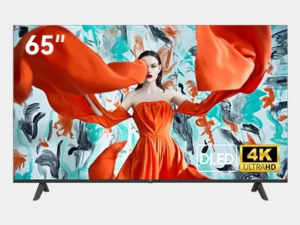
At NPC, we develop smart TV products for different market requirements, including models using whaleOS. Our XU65AS220N is an UHD Smart TV equipped with whaleOS and is listed as compatible with Netflix, Prime Video, YouTube, ThinQ AI, and HDR.
For business customers, this type of configuration demonstrates how a smart television can combine display hardware with an established software environment. Rather than treating the operating system as an afterthought, we consider the software platform part of the overall product configuration.
Our whaleOS TV range is based on AOSP and integrates official certifications for Netflix, YouTube, and other popular applications. This provides a software foundation for delivering connected entertainment while supporting different market-oriented product configurations.
What Should Business Buyers Evaluate?
When evaluating a smart TV operating system, buyers should consider application availability, regional compatibility, user interface requirements, connectivity, update arrangements, and integration with the target hardware.
It is also useful to distinguish between the operating system and the television brand. Different manufacturers can build products around licensed platforms, while the same operating system may appear across multiple hardware configurations. This makes platform capabilities, certification, and support terms important during sourcing discussions.
For OEM and distribution projects, buyers should additionally clarify which functions are included in the standard configuration and which depend on market, licensing, or certification requirements. This can prevent misunderstandings during product development and commercialization.
Building the Right TV Platform for the Market
The importance of the smart TV operating system will continue to grow as televisions become connected entertainment hubs rather than standalone displays. Software determines much of the interaction between viewers, applications, connected devices, and the television itself.
At NPC, we are a technology manufacturing enterprise specializing in smart TVs, monitors, and computing products. We combine hardware manufacturing capabilities with multiple smart TV platform options, including our whaleOS product range, to serve different market and sourcing requirements. Our XU65AS220N brings UHD display capability together with whaleOS and compatibility with major entertainment services.
For distributors, OEM partners, and other business customers evaluating smart TV solutions, we welcome discussions about suitable configurations, market requirements, and product sourcing. Contact NPC to explore the right smart TV solution for your market.