

Carrying a cumbersome computer bag through busy airport terminals or across sprawling office campuses quickly turns daily commuting into physical drudgery. Traditional mobile computers frequently packed thick heat sinks, heavy battery cylinders, and chunky plastic bezels that weighed down shoulders and cramped desk space. Hardware miniaturization has fundamentally reshaped portable computing, producing streamlined machines tailored specifically around active personal movement.
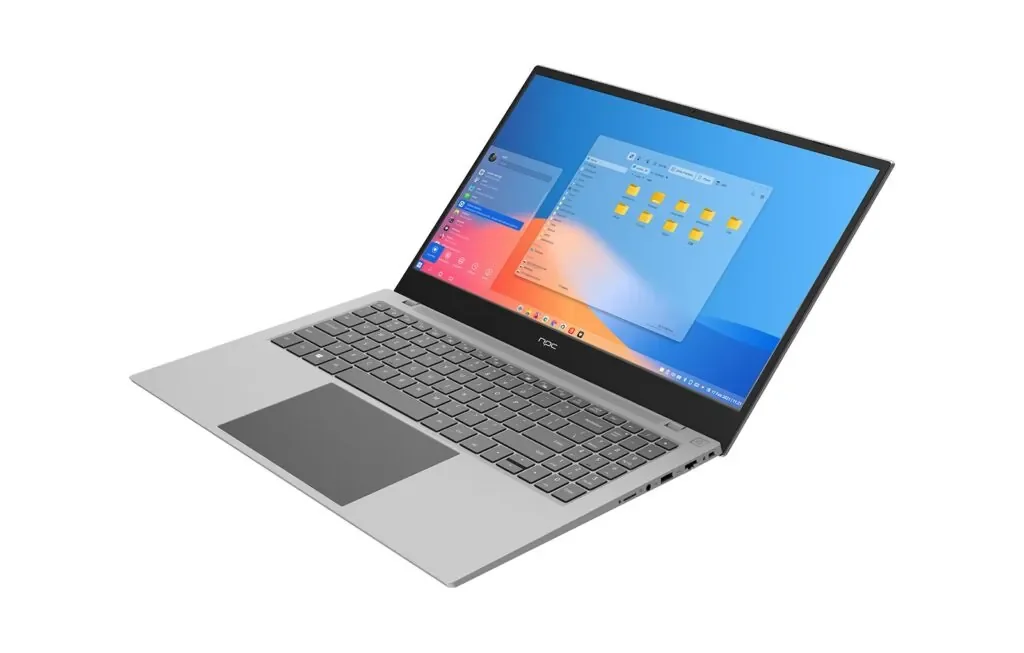
Determining who gains the most practical value from reduced dimensions requires looking past generic lifestyle advertisements. Shaving millimeters and grams off a clamshell chassis delivers tangible operational advantages for specific professional and academic routines. Evaluating daily tasks against physical form factors clarifies which user groups genuinely benefit from carrying less bulk during their routines.
Frequent Business Travelers and Transit Workflows
Road warriors navigate unpredictable physical environments where workspace remains at a premium. Airline economy tray tables, crowded commuter train seats, and airport lounge perches rarely accommodate bulky seventeen-inch workstation chassis comfortably.
Compact fourteen-inch designs slip onto cramped folding tables effortlessly, letting mobile professionals draft correspondence or review contracts without elbowing adjacent seatmates.
Packing a slim and lightweight laptop transforms long travel days from exhausting slogs into manageable routines. Tipping the scales near 1.4 kilograms and maintaining profiles below nineteen millimeters, these machines slide into standard briefcase sleeves alongside travel documents. Frequent flyers glide through airport security checkpoints quickly, retrieving a slim clamshell without wrestling with overstuffed luggage compartments.
Universal Type-C power delivery brings welcome relief to international travelers. Traditional proprietary power bricks with thick alternating-current cables add needless clutter and mass to travel bags.
Modern thin machines charge over compact USB-C adapters, enabling users to power phones, tablets, and laptops from a single pocket-sized wall charger throughout complex overseas itineraries.
University Students and Cross-Campus Mobility
Higher education demands continuous physical transit between lecture halls, research libraries, and shared dorm rooms. Carrying heavy printed textbooks alongside an oversized computer strains back muscles over an eight-hour academic schedule. Lightweight notebook architecture alleviates physical fatigue, making daily walking commutes across extensive university campuses far more comfortable for active learners.
Lecture hall seating presents tight spatial constraints for note-taking during classes. Narrow tiered auditorium desks leave minimal clearance for open binders, water bottles, and digital screens. Micro-bezel engineering houses bright 14.1-inch or 15.6-inch Full HD panels inside compact footprints, maximizing readable screen area while leaving plenty of desktop room for handwritten notations.
All-day academic sessions require dependable battery chemistry that outlasts scarce wall outlets. Dense 55Wh lithium-polymer pouch packs support continuous note-taking, online research, and document drafting across consecutive seminars. Students focus entirely on lecture slides without hunting for open electrical sockets along crowded library study tables during afternoon study periods.
Hybrid Professionals and Flexible Workstation Hot-Desking
Modern enterprise workplaces have embraced flexible hot-desking, rotating team members between central headquarters and home offices. Shuttling equipment across weekly split schedules exposes the inconveniences of modular desktop hardware. Moving a unified, portable machine between locations simplifies corporate hardware management while preserving personal desktop setups and active project files.
Docking convenience makes a slim and lightweight laptop an ideal tool for agile corporate staff. Arriving at an unassigned desk requires plugging in a single Type-C cable to drive external monitors, connect office networks, and recharge internal battery cells simultaneously. Workers transition from transit mode to full desktop workstation capability within seconds.
Collaborative huddles benefit directly from broad optical clarity during impromptu discussions. In-Plane Switching display panels deliver consistent color accuracy and wide 178-degree viewing angles across conference tables. Multiple colleagues reviewing quarterly figures or project blueprints can see active windows clearly from side angles without suffering contrast washing or color shifting.
Client-Facing Consultants and Field Operations
On-site advisory professionals depend heavily on swift responsiveness during high-stakes client meetings. Arriving at unfamiliar customer offices demands hardware that awakens instantly without frustrating boot delays or sluggish application launches. Fast M.2 NVMe solid-state storage combined with responsive multi-core silicon allows advisors to present financial models and strategy decks immediately upon opening the lid.
Meeting rooms feature varied ambient illumination, ranging from bright floor-to-ceiling windows to harsh overhead fluorescent fixtures. Matte anti-glare display coatings diffuse intrusive reflections across meeting spaces, keeping presentation data and contract text legible. Clear visual output maintains professional credibility during critical executive briefings and formal client proposals.
Durability under constant handling protects field investments against everyday travel hazards. Engineered plastic enclosures reinforced with metal lid plates resist torsional twist inside crowded backpacks.
Solid structural rigidity protects internal motherboards, display hinges, and keyboard decks against mechanical stress during daily packing, unpacking, and quick conference table shifts.
Engineered Portability and Custom Fleet Manufacturing from NPC
Balancing thin mechanical profiles with daily corporate durability drives our production operations at NPC. Our factories build portable computing hardware spanning 14-inch ultra-portables at approximately 1.4 kilograms up to versatile 17.3-inch desktop alternatives, maintaining slim chassis profiles starting from 18.05 millimeters.
Configured with verified Intel Core or AMD Ryzen processing platforms, our notebooks integrate Full HD IPS panels, responsive NVMe storage, and durable 55Wh lithium-polymer batteries.
Every commercial production batch from NPC undergoes rigorous quality testing and carries a structured two-year warranty covering processors, motherboards, memory, displays, and battery modules.
Sourcing directly through scalable OEM and ODM channels allows regional distributors and corporate fleet managers to tailor keyboard layouts, interface configurations, and enclosure finishes to exact regional market demands. Connect with our engineering specialists at NPC to review detailed chassis options, evaluate component matrices, or arrange evaluation samples for your upcoming organization deployment.