

Portable computing has shifted toward ultra-thin form factors that slip easily into commuter bags. Packing multi-core processing hardware into a slim chassis introduces a demanding thermal balance. Confining active circuitry inside narrow spaces concentrates heat around sensitive electronic components.
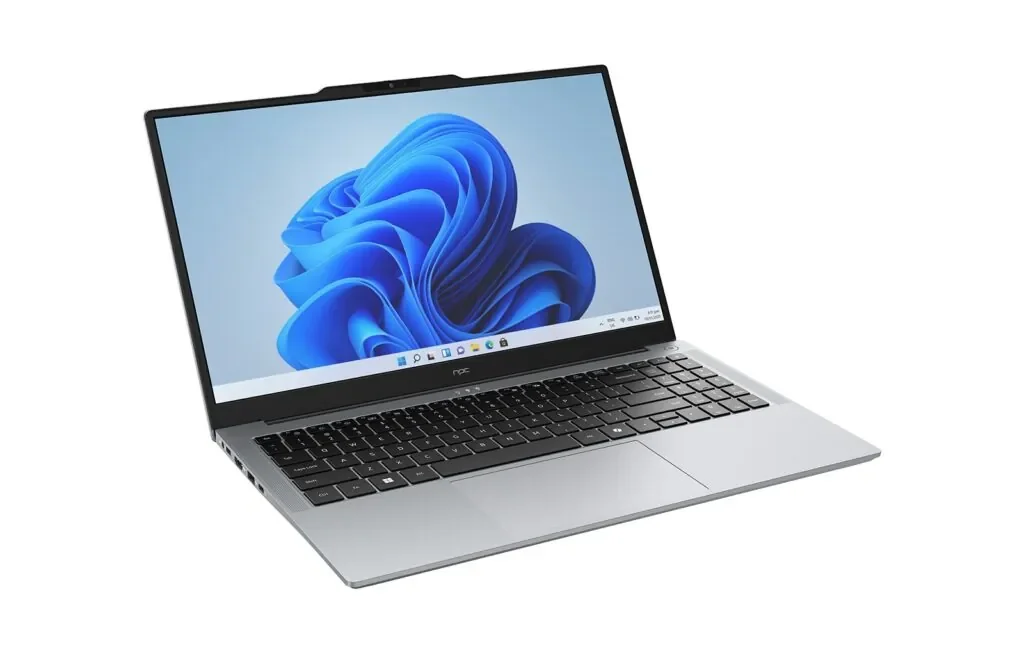
Selecting a reliable thin windows laptop requires understanding how mechanical cooling and energy management work together. Managing internal heat protects hardware stability while stretching runtime across normal working hours. Exploring these underlying engineering mechanisms clarifies which specifications deliver dependable mobile productivity.
Thermal Engineering and Airflow Within Compact Notebook Enclosures
Slim notebook designs cannot accommodate the massive finned radiators found in standard desktop systems. Hardware engineers resolve this spatial restriction by routing flat copper heat pipes directly across the central processor. Copper provides rapid thermal conductivity, drawing heat away from processing dies toward perimeter exhaust radiators.
Compact centrifugal blower fans pull air across internal circuit boards to regulate enclosure temperatures. Intake perforations on the underside draw cooler external air past system memory and storage drives. Heated air then vents outward through discreet grilles located near display hinges.
Physical separation between high-temperature silicon and internal battery compartments protects chemical cell stability. Direct heat transfer into battery modules accelerates cell aging and reduces charge retention over repeated work cycles. Structured internal compartmentalization isolates delicate battery layers from active processor hot spots.
Balanced acoustic design helps cooling fans spin at regulated speeds during administrative office tasks. Quiet fan curves prevent distracting hums in conference rooms while maintaining balanced internal thermal conditions. Reliable airflow engineering prevents thermal throttling, keeping system response steady throughout intense workloads.
Low-Power Processor Architectures and Operating System Scheduling
Silicon efficiency directly dictates how much electrical current transforms into waste thermal energy. Modern ultraportable laptops feature energy-efficient mobile processors engineered to operate within constrained thermal envelopes. Selecting capable Intel Core processors or multi-threaded AMD Ryzen chips delivers responsive performance for daily software without excessive wattage.
Multi-core processor architectures distribute computational tasks across dedicated processing threads. Dividing workloads prevents individual cores from running at elevated clock speeds that generate intense localized heat. Efficient thread scheduling maintains swift application loading while curbing rapid battery consumption during web multitasking and document editing.
Genuine Windows 11 platforms contribute directly to hardware energy conservation through integrated power profiles. The operating system monitors foreground application activity, actively lowering clock frequencies when users pause typing or read static documents. Background services suspend automatically when idle, conserving stored battery reserves for active assignments.
Pairing modern processors with high-speed solid-state drives reduces overall operational power draw. Solid-state storage retrieves files rapidly without spinning mechanical parts, minimizing motherboard electrical demand. Fast data access allows processors to complete calculations swiftly and return to low-power idle states.
Battery Capacity and Display Power Consumption
Battery engineering in a thin windows laptop relies on high-density lithium polymer battery cells. Lithium polymer packs mold into flat rectangular configurations that fit beneath keyboard decks and palm rests without expanding chassis height. Multi-cell arrangements supply stable voltage delivery across extended mobile working sessions.
Display panels represent a major continuous power consumer in portable computing hardware. Equipping laptops with Full High Definition 1920×1080 resolution strikes a practical balance between visual sharpness and power efficiency. Standard 1080p panels demand substantially less electrical power than 4K screens, preserving battery life for mobile professionals.
Equipping screens with In-Plane Switching technology delivers wide 178-degree viewing angles while maintaining steady optical output. Integrating energy-efficient LED backlights behind IPS matrices provides clear document viewing under indoor ambient lighting. Modest backlight brightness levels help mobile workers extend battery runtimes throughout off-site business meetings.
Modern charging interfaces enhance travel convenience through versatile connectivity. Incorporating full-function Type-C ports allows laptops to receive power delivery, transfer high-speed data, and output video signals through a single interface. Carrying a universal compact power adapter simplifies transit for business commuters and remote professionals.
Chassis Materials and Heat Dissipation Pathways
Structural casing choices influence thermal distribution, chassis rigidity, and total travel weight. Engineering thin notebook enclosures requires combining durable metal alloys with high-strength composite materials. Aluminum alloy panels provide torsional stiffness to protect slim liquid crystal displays, while allowing heat to dissipate naturally across exterior surfaces.
Durable composite materials along base enclosures serve as functional thermal buffers. Composite lower covers insulate user laps and desk contact points from internal component temperatures. Maintaining comfortable surface temperatures enables convenient mobile work on commuter trains, coffee shop tables, or temporary workspace counters.
Narrow display bezels reduce physical notebook footprints without reducing active screen viewing territory. Trimming edge borders enables 14.1-inch, 15.6-inch, and 16-inch laptops to slip into standard briefcases. Compact chassis dimensions streamline daily travel while maintaining full-sized keyboard layouts and spacious navigation touchpads.
Integrated peripheral ports maintain daily productivity without requiring external dock accessories. Slim side profiles house full-sized USB 3.0 ports, HDMI connectors, and 3.5mm audio jacks alongside Type-C interfaces. Direct peripheral connectivity supports reliable data transfers and external screen presentations across varied commercial settings.
Scalable Manufacturing Standards for Global Distribution
Operating our specialized computer manufacturing facilities at NPC since 2005, we deliver precision computing hardware to commercial distributors worldwide. Under Guangzhou Xianyou Electronics Group, our operations supply dependable hardware across more than 70 international markets, combining structural design, precision tooling, and rigorous optical screening.
Our production lines at NPC configure 14.1-inch, 15.6-inch, and 16-inch laptops built around Intel Core and AMD Ryzen mobile platforms. Every production batch undergoes extensive thermal chamber assessments and battery aging cycles to verify reliability. Commercial partners can customize memory allocations, solid-state storage capacities, and casing finishes to target local market channels.
Connect directly with the NPC commercial engineering group to discuss regional project tenders or review custom OEM configurations. Request complete hardware specification sheets and evaluation units by contacting our international distribution team today.