

Room space dictates how comfortably an audience views digital media. Placing an oversized display inside an inadequate viewing area causes visual fatigue. Conversely, sitting excessively far from a panel reduces perceived image clarity. Achieving balanced viewing requires understanding how screen size, pixel density, and room space interact.
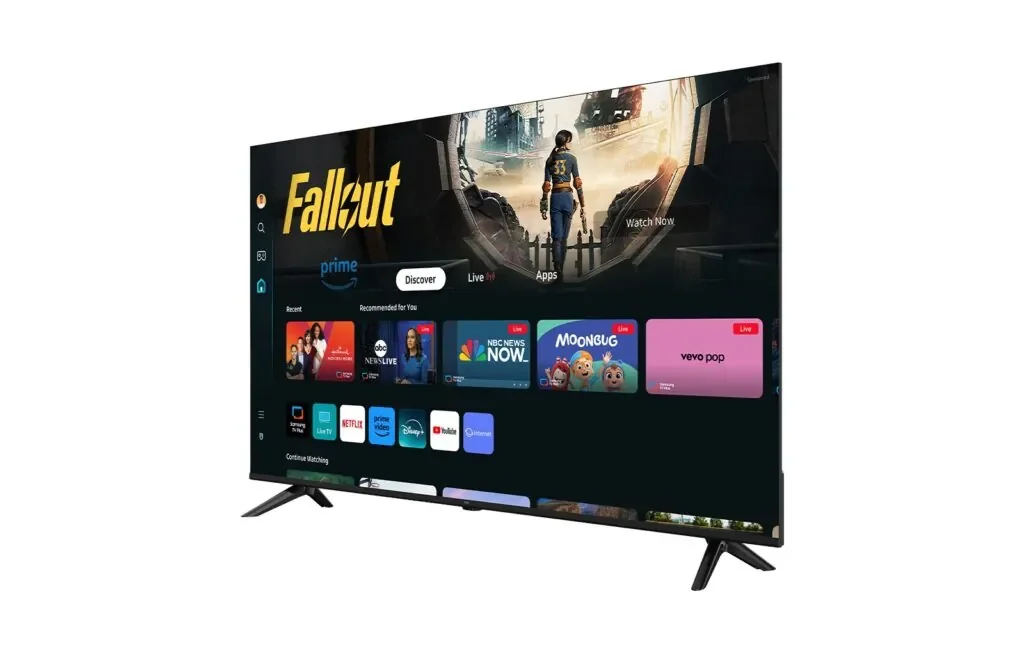
Viewers frequently struggle to select appropriate screen dimensions for their homes. A modern display must fit the physical space between seating furniture and the screen wall. Examining verified viewing distance formulas helps buyers match 55-inch displays to their usage environments.
Mathematical Formulas for Viewing Distance
Standard optical guidelines calculate viewing distances using physical screen dimensions. Recognized formulas calculate distance in centimeters by multiplying screen size in inches by 2.54 and a coefficient between 1.5 and 2.5. This calculation converts display diagonal measurements into practical room distance values.
Screen measurements for 55-inch models equal roughly 139.7 centimeters across the diagonal. Applying the formula defines an operational range between approximately 2.1 meters and 3.5 meters. These numbers establish verifiable spatial boundaries for room seating plans.
Pixel density works alongside spatial distance to preserve image quality. Display resolution reflects the total number of glowing pixels across horizontal and vertical axes. Panels measuring 50 inches and above utilize 4K Ultra HD resolution with 3840 by 2160 pixels. Dense pixel spacing maintains crisp lines without noticeable pixel grids across these calculated distances.
Immersive Versus Relaxed Viewing Coefficients
Different entertainment formats call for distinct viewing coefficients. Multiplying screen dimensions by the 1.5 coefficient establishes a closer viewing distance of approximately 2.1 meters. Such layout suits immersive entertainment like feature movies or video games. Sitting closer expands the visual angle, delivering a stronger visual impact.
Relaxed viewing benefits from expanding seating distance to the 2.5 coefficient. Extending spacing places seating approximately 3.5 meters away from a 55-inch screen. Comfortable separation suits long-term viewing routines like watching television dramas or daily news broadcasts. Extended viewing at this distance prevents eyes from fatiguing easily.
Content source selection should guide the chosen coefficient. Fast-paced AAA gaming titles reward closer seating for quick situational awareness. Daily broadcast programming remains more comfortable from the relaxed 3.5-meter position. Matching the coefficient to viewer habits creates an enjoyable entertainment space.
Room Layout Comparisons Across Screen Sizes
Usage environments require matching panel sizes to available room distances. Looking at reference measurements helps buyers evaluate whether 55-inch panels fit their floor plans. Rooms providing only 1.5 meters to 2.5 meters of viewing distance align better with compact 40-inch screens. Rooms with 1.6 meters to 2.7 meters fit 43-inch models.
Medium viewing spaces offering 1.9 meters to 3.2 meters match 50-inch screens. A 55-inch screen fits rooms accommodating 2.1 meters to 3.5 meters between furniture and the screen. Larger environments with 2.5 meters to 4.1 meters suit 65-inch panels. Rooms providing 3.8 meters to 6.2 meters accommodate massive 98-inch or 100-inch screens.
Comparing these intervals confirms whether a 55-inch panel suits a specific room. Selecting a screen size that matches your actual room layout prevents cramped viewing. Viewers preserve natural sightlines while enjoying full 4K UHD picture clarity.
Ambient Room Lighting and Backlight Technology
Room illumination directly affects how eyes perceive screen contrast. Direct LED systems place standard light elements behind the screen to provide budget-friendly illumination. QLED technology applies quantum dots to enhance color vividness, performing well in living rooms with relatively bright lighting.
Integrating a 55 inch mini LED TV delivers high contrast and advanced HDR effects. Miniature LEDs provide backlight illumination behind the screen. Controlling these miniature diodes across distinct zones reduces light blooming around bright details on dark backgrounds. Targeted backlight control suits viewers who enjoy sci-fi movies, dark-scene films, and AAA games.
Combining Mini LED backlights with quantum dot color technology creates QD-MiniLED displays. Advanced engineering unites precise illumination control with vivid color reproduction. High contrast pairs with dynamic range processing like ThinQ AI HDR, maintaining clear details across changing room light conditions.
Frame Rate Matching and Smart Platform Integration
Motion clarity requires matching screen refresh rates with incoming video sources. Refresh rate indicates how many times the display redraws an image per second. Displays operate across 60 Hz, 120 Hz, and 144 Hz tiers, displaying 60, 120, or 144 frames each second.
Optimal playback demands pairing the screen with equivalent content frame rates. Standard movies typically run at 24 frames per second, while television shows run at 30 frames per second. Sports and games utilize 60 frames per second. High refresh rates above 120 Hz serve large-screen esports gaming when connecting gaming consoles like PS5 or Xbox.
Operating systems coordinate viewing features across connected homes. Deploying Samsung Tizen OS provides quick navigation and native access to Netflix, Prime Video, and YouTube.
Viewers use Bluetooth Voice Remote Controls with Bixby to search content through voice commands like finding action movies. Through the SmartThings app, televisions connect with smart home devices from Google Home, Apple HomeKit, Yandex, IKEA, and Philips Hue.
Over-The-Air software updates preserve platform responsiveness throughout the product lifespan. Connected displays download and install updates over active network connections. Regular updates enhance system stability, refine user experience, and improve software usability over time.
Factory Quality Standards and After-Sales Terms
Evaluating display hardware requires reviewing factory manufacturing and service terms. Buyers should verify genuine platform licensing, tested chipsets like the NT72690, and certified panel components. Reliable hardware engineering supports steady performance across daily viewing routines.
Selecting a 55 inch mini LED TV from NPC provides certified 4K UHD display engineering built for global distribution. Our manufacturing lines combine QD-MiniLED panels with licensed Tizen OS platforms and Digital TV tuners. Every unit includes a 3-year whole-machine warranty, offering replacement within the first year and free repairs for the following two years against quality defects under normal use.
Authorized service channels at NPC deliver technical assistance through our official website, customer service hotlines, dealer stores, and authorized service centers. We support on-site repairs in select regions alongside mail-in repair services.
Users should back up personal data prior to sending units for service. Contact our technical representatives at NPC today to review complete display specifications, discuss volume procurement options, or receive an immediate wholesale quotation for your market.