

Modern television shoppers frequently encounter competing acronyms that sound like rival panel types. Retail listings place Mini LED and QLED side by side, leaving buyers to wonder whether they must choose between brighter contrast or richer colors. That confusion stems from treating backlight hardware and color-generating materials as mutually exclusive choices.
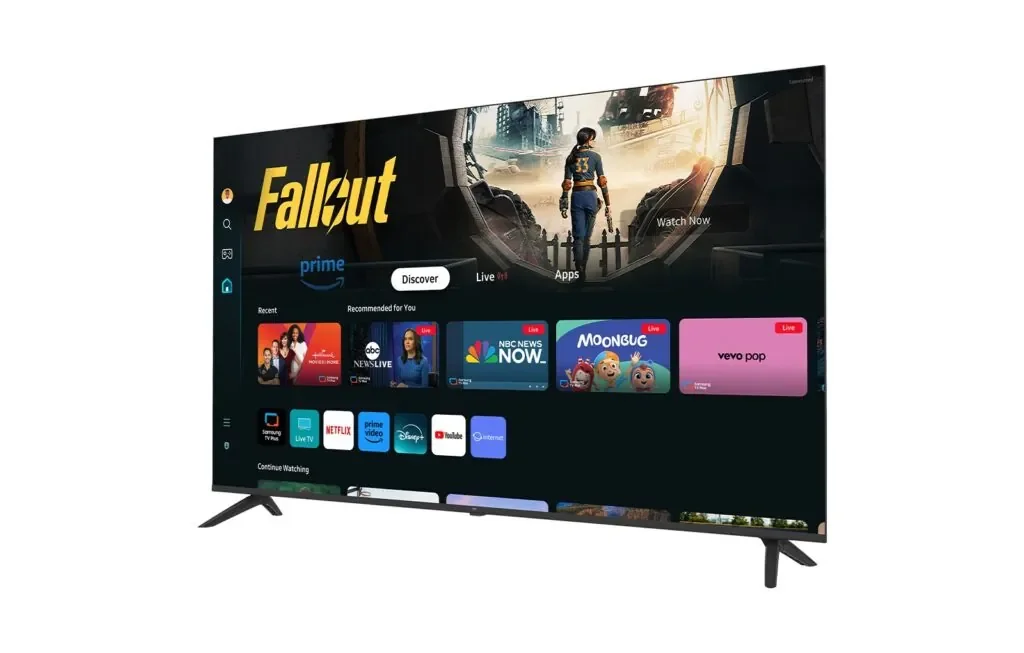
Buying decisions become far simpler once you recognize how these two display layers cooperate. Pairing miniature backlights with quantum dot nanocrystals unites precise luminance control with expansive color saturation. Inspecting how this layered stack operates reveals why the combination elevates visual performance across modern living spaces.
Separating the Lighting Engine From the Color Matrix
Liquid crystal screens require an underlying illumination system to produce viewable images. Mini LED serves exclusively as that illumination engine, positioning thousands of microscopic diodes behind the screen. Diodes manage brightness, contrast, and dark-scene shading, but they do not produce rich screen colors on their own.
Conventional color filters absorb significant amounts of transmitted light while shaping red, green, and blue pixels. Integrating a qled miniled TV changes this internal light path by inserting a specialized quantum dot film between the backlight and the display glass. Distributing light control and color generation across specialized components optimizes optical efficiency across the entire panel.
Directing raw illumination through dedicated color converters allows each subsystem to excel at its designated task. Backlight arrays focus entirely on dynamic contrast and uniform luminance distribution. Concurrently, microscopic crystals manage color conversion with minimal light loss, producing cleaner visual results than single-layer display designs.
How Mini LED Backlights Establish Contrast and Luminance
Miniaturized diode arrays solve long-standing contrast limitations found in traditional edge-lit and standard direct-lit screens. Packing thousands of tiny light emitters across the rear chassis allows engineers to group diodes into hundreds or thousands of localized dimming zones. Each zone adjusts its brightness independently based on real-time scene analysis.
Segmented zone dimming darkens deep shadows while driving brilliant highlights across adjacent pixels. Starfields, neon signs, and streetlamps maintain distinct borders without the milky halos common to older liquid crystal displays. While this diode architecture establishes deep black levels and intense peak luminance, color expression still requires dedicated chemical engineering.
The Quantum Dot Contribution: Purity, Gamut, and Color Volume
Adding a quantum dot film introduces microscopic nanocrystals that respond to blue backlight illumination. Each nanocrystal emits a remarkably narrow, highly calibrated light wavelength determined by its physical size. Larger dots glow with pure red tones, while smaller dots emit crisp green light.
Standard white backlights struggle to deliver pure primary colors, frequently producing yellowish greens or muted reds that limit overall saturation. Quantum dot conversion produces clean spectrum peaks that expand color gamut coverage well beyond conventional sRGB thresholds. Rich landscapes, vibrant textiles, and subtle skin tones render with authentic depth and lifelike accuracy.
Full color volume prevents hues from washing out under intense screen brightness. Conventional televisions often turn pale yellow or white when rendering bright flames or sunlit water because standard color filters cannot sustain saturation at high luminance. Quantum dots maintain saturated red, green, and blue fidelity across high brightness levels, preserving delicate chromatic details.
Combined Optical Synergy: Realizing Full Dynamic Range
High Dynamic Range formats like HDR10+ demand both high peak brightness and deep color depth to recreate realistic scenes. Deploying a qled miniled TV satisfies both requirements by pairing high-output zone dimming with broad quantum dot color reproduction. Highlights gleam with intense luminance while retaining saturated color nuances.
Deep black levels anchor the expanded color palette, giving images three-dimensional visual depth. Dark scenes in cinematic movies preserve shadow gradations without crushing subtle background textures into solid black. Combining targeted illumination with pure color emission delivers a balanced image that excels in bright living rooms and dark home theaters alike.
Hardware Processing and Frame Rate Synchronization
Managing dense local dimming zones alongside wide color data requires capable mainboard silicon. Processors such as RTD2874 chipsets analyze incoming video frames in real time, calculating zone brightness values while decoding high-bitrate 4K Ultra HD video streams. Smooth processing prevents input lag and keeps picture adjustments synchronized with on-screen action.
Motion clarity relies on matching panel refresh rates with source frame rates across different content formats. Displays operating at 120 Hz or 144 Hz refresh rates display fast motion cleanly, aligning with 60fps broadcasts and 120fps gaming feeds. Meanwhile, native 24fps film timing prevents judder during cinematic playback, keeping action sequences fluid.
Certified operating systems like Samsung Tizen OS, LG webOS Hub, and Whale OS run atop this processing architecture. Licensed software platforms deliver streaming applications, voice control navigation, and wireless casting via AirPlay and Chromecast. Complementary Dolby Audio decoding supplies balanced acoustic reproduction, rounding out the home theater environment.
Precision Commercial Manufacturing and OEM Integration
Building advanced commercial displays demands precise optical alignment, cleanroom assembly, and stable thermal regulation. At NPC, we manufacture versatile display solutions spanning 55-inch to 100-inch screen sizes for regional brands and distributors worldwide. Our production facilities assemble certified QD-MiniLED televisions featuring 4K UHD resolution, Dolby Audio, multi-region digital tuners, and licensed smart platforms.
Rigorous factory testing backs every display assembly completed by NPC, including multi-stage optical calibration and extended environmental chamber assessments. We support our hardware builds with a 3-year warranty under normal operating conditions. Global partners gain dependable inventory backed by standardized post-sales service networks across international markets.
Commercial distributors can customize motherboard chipsets, exterior bezel tooling, and branded packaging to meet regional compliance standards. Sourcing directly from our production lines provides scalable supply schedules and competitive container pricing. Connect directly with the NPC commercial engineering group to discuss technical specifications and request sample display units for evaluation.