

Modern specification sheets frequently show identical processors, memory configurations, and solid-state storage across vastly different price tiers. Real-world testing reveals that two units sharing the same nominal CPU can diverge sharply in daily throughput, battery draw, and operating stability. Hardware components require balanced supporting engineering to deliver their full theoretical capabilities under sustained computing pressure.
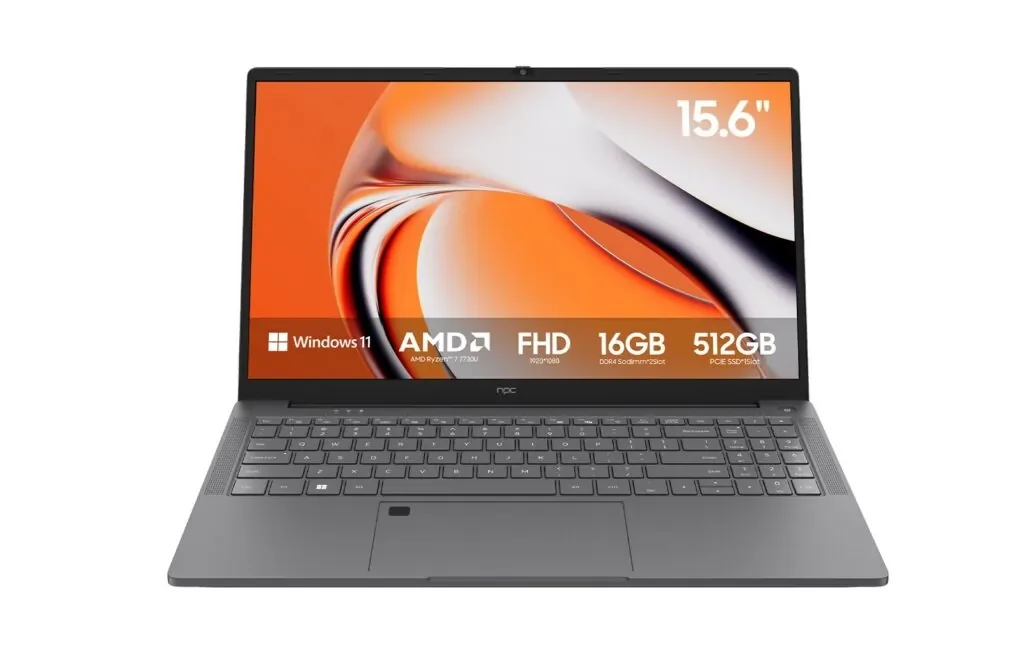
Looking past surface marketing metrics allows hardware buyers and commercial procurement teams to understand how internal architecture shapes productivity. Sustained capability depends entirely on electrical integrity, thermal dissipation headroom, optical display quality, and physical enclosure rigidity. Examining these four foundational areas explains why build execution matters far more than silicon naming alone.
Motherboard Layout and Power Delivery Dynamics
Printed circuit board design forms the foundational electrical network of any portable computer. Multi-layer high-density interconnect boards provide separate planes for clean power delivery and ground return, shielding sensitive traces from cross-talk. Budget implementations that cut layer counts risk signal degradation, unpredictable memory read-write faults, and elevated electromagnetic interference during peak calculation loads.
Voltage regulator modules govern the stability of power routed directly to central processing units and integrated graphics dies. Multi-phase configurations spread thermal loads across several controller chips rather than concentrating stress onto a single circuit path. Solid-state capacitors and premium inductors prevent voltage sag, avoiding spontaneous driver crashes and sudden reboots under sustained multi-threaded execution.
Evaluating how components sustain their rated power separates entry-level assemblers from the best laptop computer manufacturers. Proper trace routing to high-speed solid-state drives and memory slots preserves transfer bandwidth while containing localized electrical heat. Reliable motherboard layouts ultimately protect expensive silicon from thermal degradation, maintaining steady operating thresholds across years of enterprise deployment.
Thermal Engineering and Sustained Clock Speeds
Heat generation represents the primary physical boundary constraining modern mobile computing. Contemporary processors automatically adjust their operating frequencies based on instantaneous die temperature readings. Once thermal saturation arrives, aggressive clock reductions occur to keep silicon below critical temperature cutoffs, slashing processing speed by substantial margins during sustained creative or analytical workloads.
Without effective heat transfer channels, top-tier silicon operates no faster than budget processors after several minutes of intensive use. Sintered copper heat pipes containing specialized internal capillary wicks transfer heat rapidly toward exterior fin arrays. Dual heat-pipe arrangements separate processing units from graphics silicon, preventing heat generated by graphics tasks from forcing CPU throttling.
Fan aerodynamics and radiator fin density balance heat exhaust against acoustic disturbance. High-count polymer fan blades push higher volumes of air through tight chassis vents without emitting harsh high-frequency noise profiles. Quality thermal compounds between cold plates and component dies maintain conductivity over repeated heating and cooling cycles, preventing premature pump-out and long-term hot spots.
Panel Integration, Color Delivery, and Visual Comfort
Display assemblies serve as the primary interactive surface, directly determining user comfort and daily productivity. Panel selection influences power efficiency just as heavily as processor states do. Wide-angle In-Plane Switching screens provide consistent contrast and stable color rendition across normal viewing positions, avoiding the distracting color inversion common to low-grade twisted nematic panels.
Backlight implementation affects visual clarity across changing office ambient lighting conditions. Matte anti-glare coatings disperse harsh overhead reflections, helping workers review detailed spreadsheets or lines of code without visual fatigue. Direct-current dimming circuits mitigate the rapid backlight pulsing created by low-frequency pulse-width modulation, reducing eye strain during extended work periods.
Optical calibration and panel binning standards prevent common manufacturing flaws from reaching the customer. Rigorous factory inspection checks for dead pixels, backlight bleed around bezel perimeters, and uneven color temperature distribution across the panel surface. Accurate factory color profiles allow creative professionals to evaluate digital content reliably without relying on separate external monitors.
Structural Integrity, Torsion Resistance, and Hinge Longevity
External housing materials dictate whether internal electronics remain protected against daily physical stress and transit shocks. Aluminum-magnesium alloys and reinforced structural polymers shield sensitive motherboards from flexing when devices are lifted by one corner. Rigid chassis frameworks prevent internal solder balls beneath surface-mounted chips from micro-fracturing under repetitive twisting forces.
Hinge mechanics balance effortless single-finger opening against screen stability during typist vibration or motion. Hardened zinc alloy hinge brackets anchored into metal backing plates resist fatigue over tens of thousands of open-close cycles. Poorly anchored hinges screwed into thin plastic posts represent one of the most common physical failures in commercial mobile devices.
Structural design also establishes the baseline intake and exhaust airflow channels necessary for cooling. Stiff lower base covers maintain dimensional clearance above desk surfaces, keeping air intake vents clear of obstruction. Thoughtful port reinforcement protects universal serial bus and display connectors from trace lifting caused by repeated cable insertion and accidental tugging.
Engineering Standards That Define Practical Value
Sourcing decisions made by enterprise buyers often center on identifying the best laptop computer manufacturers capable of balancing rigid construction with competitive pricing. True manufacturing quality requires balancing electrical layouts, cooling capacity, visual ergonomics, and structural resilience into a cohesive product. A balanced machine delivers predictable performance year after year, minimizing service disruptions and overall fleet replacement expenses.
At NPC, we design and produce commercial laptop solutions that integrate balanced thermal cooling, durable alloy frames, and certified eye-care display panels. Our vertically integrated production model enables NPC to maintain strict quality oversight across assembly stages while offering flexible hardware configurations tailored to modern business and educational requirements.
Contact our technical sales team at NPC to explore our complete OEM and ODM commercial laptop lineup and request customized hardware specifications or volume evaluations for your organization.