







When planning a high-performance desktop build, one critical component often sparks detailed questions: the power supply unit (PSU). For a theoretical component like a 5080 GPU, determining the correct PSU wattage is not about guesswork but understanding system power dynamics. However, this discussion highlights a key advantage of integrated systems. In a compact all in one pc amd ryzen 7 configuration, the power design is meticulously calculated and included, eliminating this complexity for the user. We will explore the factors that influence PSU requirements and how a unified design approach offers a distinct alternative.
Analyzing Component Thermal Design Power (TDP) and Peak Draw
The starting point for any PSU calculation is the Thermal Design Power, or TDP, of core components. While TDP is primarily a measure of heat output, it provides a reliable baseline for power consumption. A high-end GPU, like a hypothetical 5080, would have a significant TDP, often requiring dedicated power connectors directly from the PSU. The central processing unit (CPU) adds to this total; an AMD Ryzen 7 processor, known for its strong multi-core performance, also carries a defined TDP that must be accounted for. Furthermore, system memory, storage drives, cooling solutions, and motherboard all contribute to the total power budget. It is standard practice to sum the TDP of major components and add a substantial margin for peak power spikes and future stability.
Calculating Total System Power and PSU Efficiency Ratings
After estimating the combined power draw, selecting a PSU involves more than just matching wattage. For a system with powerful discrete components, experts commonly recommend a unit that provides 1.5 to 2 times the calculated average draw. This headroom ensures the PSU operates within its most efficient range, typically between 40% and 80% of its maximum load, which reduces energy waste and heat generation. This is where 80 Plus efficiency certifications (like Bronze, Gold, or Platinum) become relevant, as they indicate how effectively the PSU converts AC power from the wall to the DC power your components use. A higher-efficiency unit, while sometimes more expensive upfront, can lead to lower electricity costs and less thermal stress over time.
The Integrated Power Advantage in All-in-One Systems
This entire process of calculation, selection, and installation contrasts sharply with the engineering behind an all in one pc amd ryzen system. In these unified devices, the power delivery is a pre-optimized part of the holistic design. The external power adapter supplied with the unit, such as a 19V/6.32A model providing approximately 120 watts, is specifically matched to the motherboard and the combined peak requirements of every internal component. This includes the display, the AMD Ryzen CPU with integrated graphics, memory, storage, and speakers. This integration removes the risk of incompatibility or insufficient power, as the manufacturer has already completed the precise engineering work.
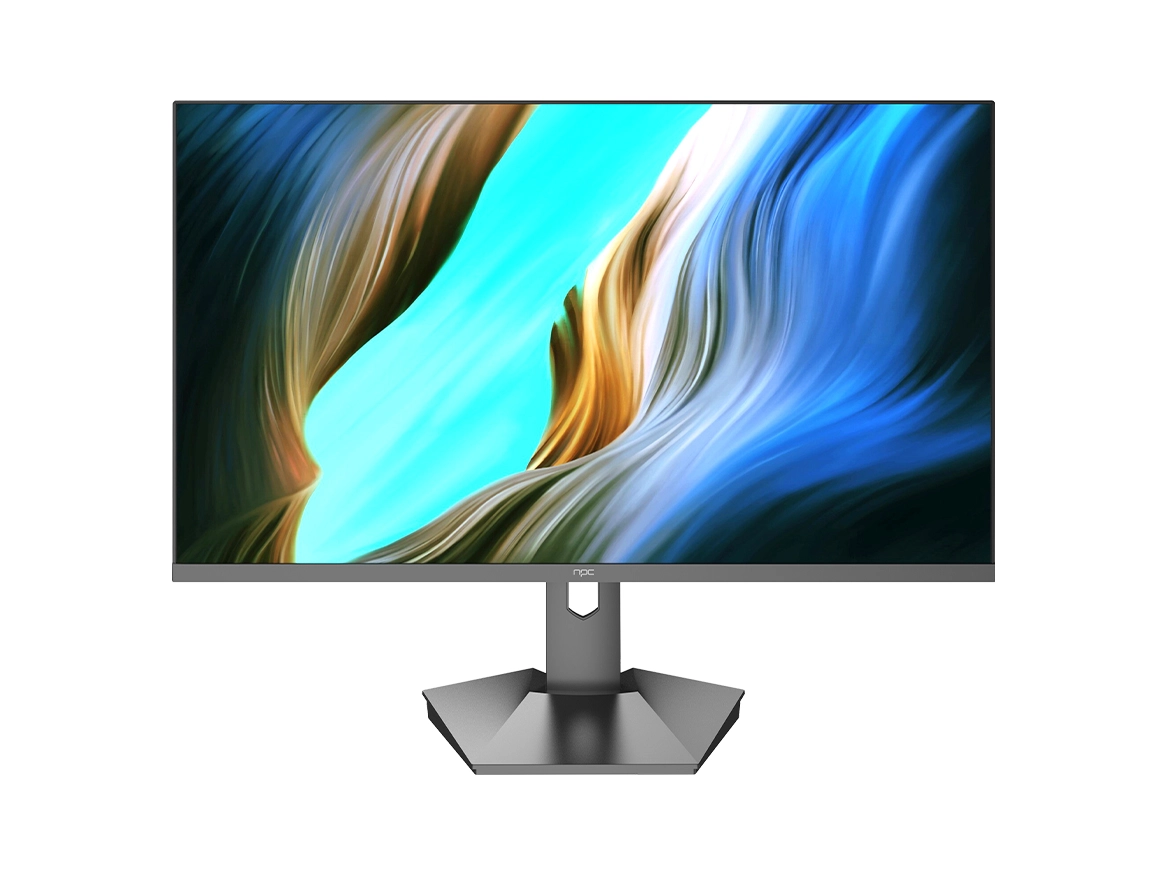
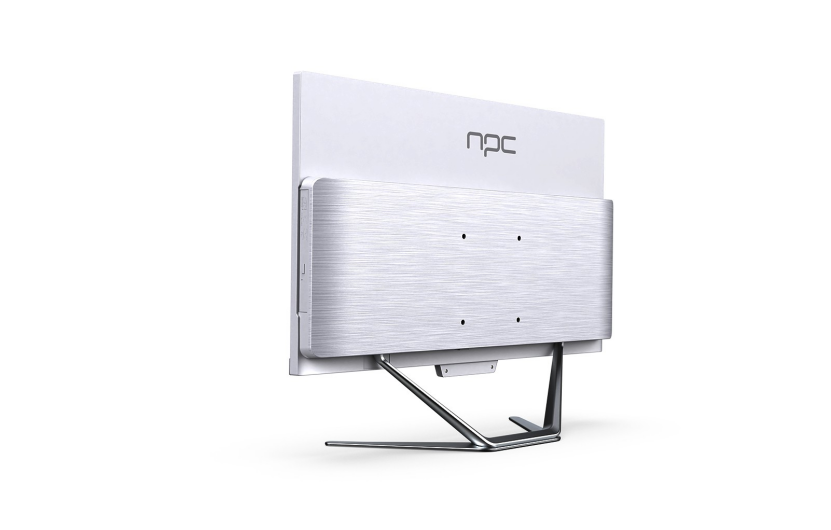
We recognize that constructing a desktop with a high-wattage GPU demands careful power supply planning to ensure stability and longevity. This process involves analyzing TDP, calculating total draw with ample headroom, and understanding efficiency metrics. For users whose computing needs are met by a streamlined, high-performance all-in-one, this complexity is entirely circumvented. The NPC-PF2405-D, for instance, embodies this integrated approach. It incorporates an AMD Ryzen™ 5 7430U processor with capable integrated graphics, 16GB of RAM, and a 23.8-inch 100Hz display into a single chassis. Its matched external power adapter delivers exactly what the system requires, offering a complete, performance-oriented computing solution from NPC without the need for separate component power calculations.


