







Maintaining proper operating temperatures is a fundamental aspect of computer hardware longevity and performance. For users of integrated and discrete graphics systems, including those in systems like an all in one pc amd ryzen 5, knowing the expected thermal ranges for a GPU is essential. We will outline standard temperature benchmarks, explain the factors that influence heat levels, and describe the practical effects of thermal management on system operation.

Establishing Standard GPU Temperature Ranges
A "good" or safe temperature for a GPU depends on its specific design and workload. Generally, for modern graphics processors under a typical gaming or creative software load, a range between 65°C and 85°C is considered normal operation. Idle temperatures, when the system is on but not performing demanding tasks, typically sit much lower, between 30°C and 50°C. It is critical to understand that brief spikes above these averages can occur during intensive rendering sessions. Sustained operation above 90°C, however, often triggers thermal throttling—a protective mechanism where the GPU deliberately reduces its clock speed to lower heat output, resulting in a direct loss of performance. Prolonged exposure to very high temperatures may also affect component lifespan.
Factors Influencing GPU Thermals
Several variables directly impact the operating temperature of a graphics unit. The first is chassis airflow and cooling design. A well-ventilated case with balanced intake and exhaust fans promotes effective heat dissipation. Conversely, a restricted environment leads to heat accumulation. The second variable is workload intensity. Running graphically intensive video games, 3D modeling software, or video editing tools will generate significantly more heat than browsing the web or word processing. Ambient room temperature also plays a direct role; a hotter room provides a higher starting point for system cooling to overcome. In the context of an all in one pc amd ryzen 5, the compact, integrated form factor presents a unique thermal challenge, as the GPU and CPU share a confined space, making efficient internal cooling architecture paramount.
Thermal Management and User Implications
Effective thermal management hinges on both hardware design and user practice. On the hardware side, this involves quality thermal interface material between the GPU die and its heatsink, along with adequately sized heatsinks and fans or passive cooling solutions. For users, regular maintenance like clearing dust from vents and ensuring the system is placed in a location with open airflow is a simple yet impactful practice. Monitoring software can provide real-time temperature data, allowing users to correlate heat levels with specific applications. If temperatures consistently reach the upper limits of the safe range, investigating improvements to the cooling solution or moderating ambient room temperature may become necessary to ensure stable, long-term operation.
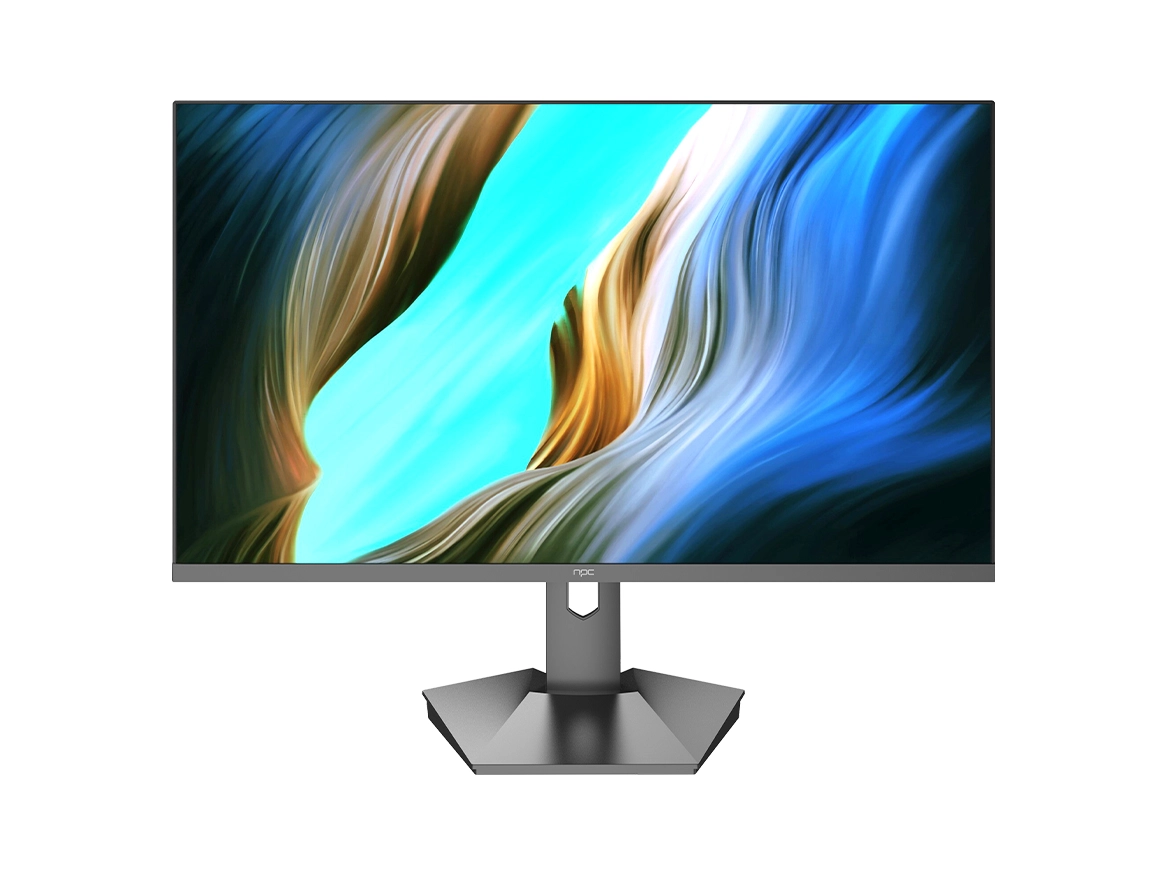
Managing GPU temperature is a balance between system design, environmental factors, and workload. Adhering to the standard thermal ranges helps preserve component integrity and maintain consistent performance. For users seeking a balanced system where thermal engineering is considered from the outset, our approach at NPC integrates these principles. The NPC series of All-In-One PCs, such as configurations featuring an AMD Ryzen 5 processor and AMD Radeon Graphics, are built with a unified cooling solution designed to manage the thermal output of both CPU and integrated GPU within their compact form. This integrated design by NPC aims to provide stable performance for everyday tasks and moderate creative workloads by addressing the thermal requirements of key components like the GPU from the initial design phase.


