





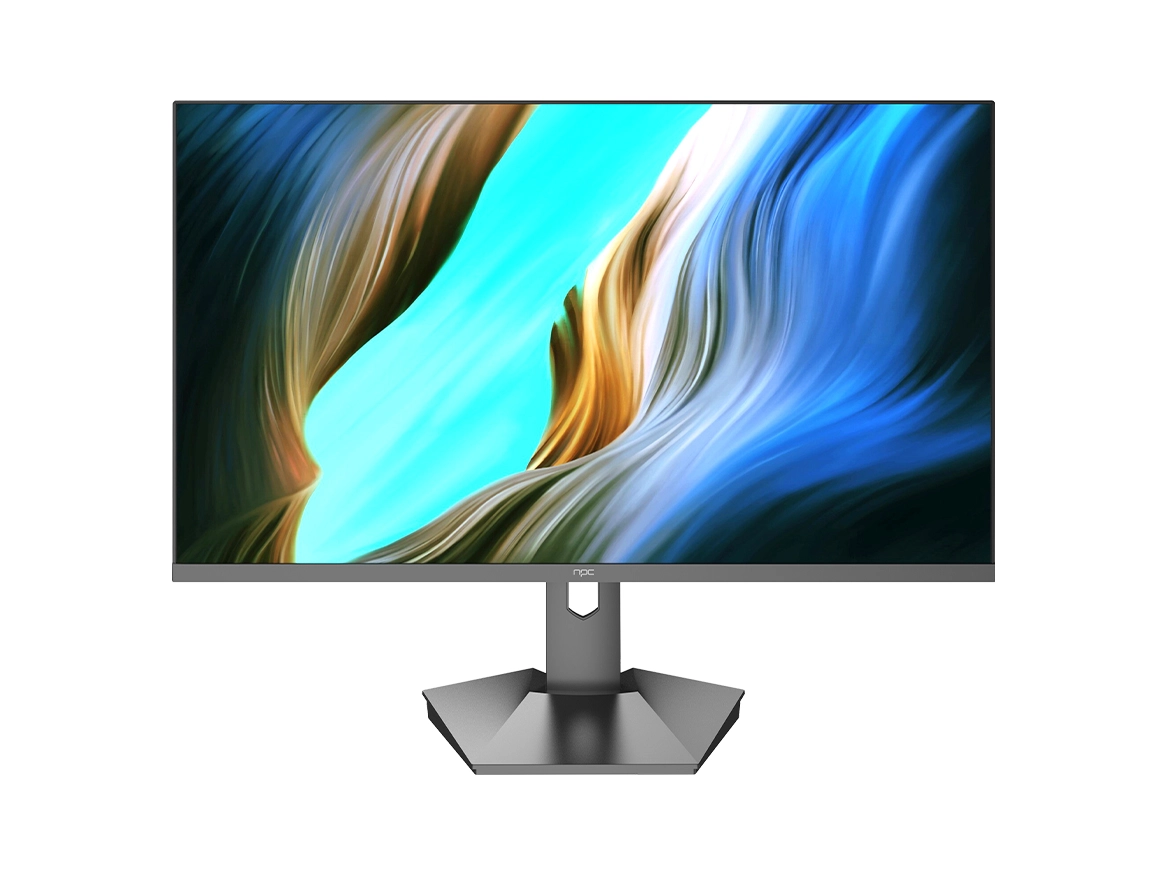


Determining the necessary video card, or GPU, for a computer depends largely on aligning its capabilities with your specific visual workload requirements. We can analyze this by examining three core areas: the fundamental tasks you perform, the performance level provided by different graphics solutions, and the physical and power constraints of your system. This approach moves beyond generic advice to a more tailored assessment, which is especially relevant for integrated systems like an all in one pc amd ryzen.

Evaluating Your Core Visual Workload
The primary factor in selecting a graphics solution is identifying the demands of your most common applications. For basic tasks such as web browsing, office productivity software, and streaming high-definition video, a modern integrated GPU is typically sufficient. This includes solutions like the AMD Radeon™ Graphics found in many contemporary processors. However, for sustained work in photo editing, 3D modeling, engineering simulations, or video game play, the requirements increase significantly. These activities need a GPU with dedicated memory (VRAM) and more parallel processing cores to handle complex textures, geometry, and real-time rendering efficiently. The workload defines the necessary tier of graphical power.
Understanding Integrated versus Discrete Graphics
Modern computing offers two main graphics paths: integrated and discrete. An integrated GPU, such as the AMD Radeon™ Graphics paired with Ryzen processors, is built directly onto the same chip as the central processor. This design offers excellent power efficiency and sufficient performance for everyday computing and light creative tasks, all within a compact form factor. A discrete video card is a separate, specialized component with its own dedicated memory and cooling. It delivers higher performance for professional-grade creative work and advanced gaming but requires more space and power. For a streamlined all in one pc amd ryzen, the integrated path provides a balanced, space-saving solution that leverages the unified architecture of the AMD platform.
Matching Specifications to Real-World Output
Beyond the integrated/discrete divide, evaluating specific specifications helps predict real-world performance. Key metrics include the number of compute units, clock speed, and the amount and speed of VRAM. For instance, the AMD Radeon™ Graphics in an NPC AIO PC with a Ryzen 7 processor will possess more compute units and higher performance headroom than a Ryzen 5 counterpart. This translates to smoother performance in multi-monitor setups, faster video encoding, and better handling of graphically demanding applications. When considering any system, reviewing the benchmark performance of its specific graphics component for your intended software provides the most accurate forecast of its capability.
In conclusion, identifying the right video card involves a clear analysis of your software demands, an understanding of the trade-offs between integrated and discrete solutions, and a review of concrete performance data. For users whose priorities include a clean workspace, reduced cable clutter, and strong multi-threaded CPU performance for tasks like coding or data analysis, a capable integrated graphics solution is often the correct choice. Our all in one pc amd ryzen systems at NPC are engineered with this balance in mind. By pairing efficient AMD Ryzen™ 5 & 7 series processors with potent AMD Radeon™ Graphics, we create all-in-one PCs that deliver robust graphical performance for professional and multimedia tasks within a sophisticated, integrated design, eliminating the need for a separate card.


