





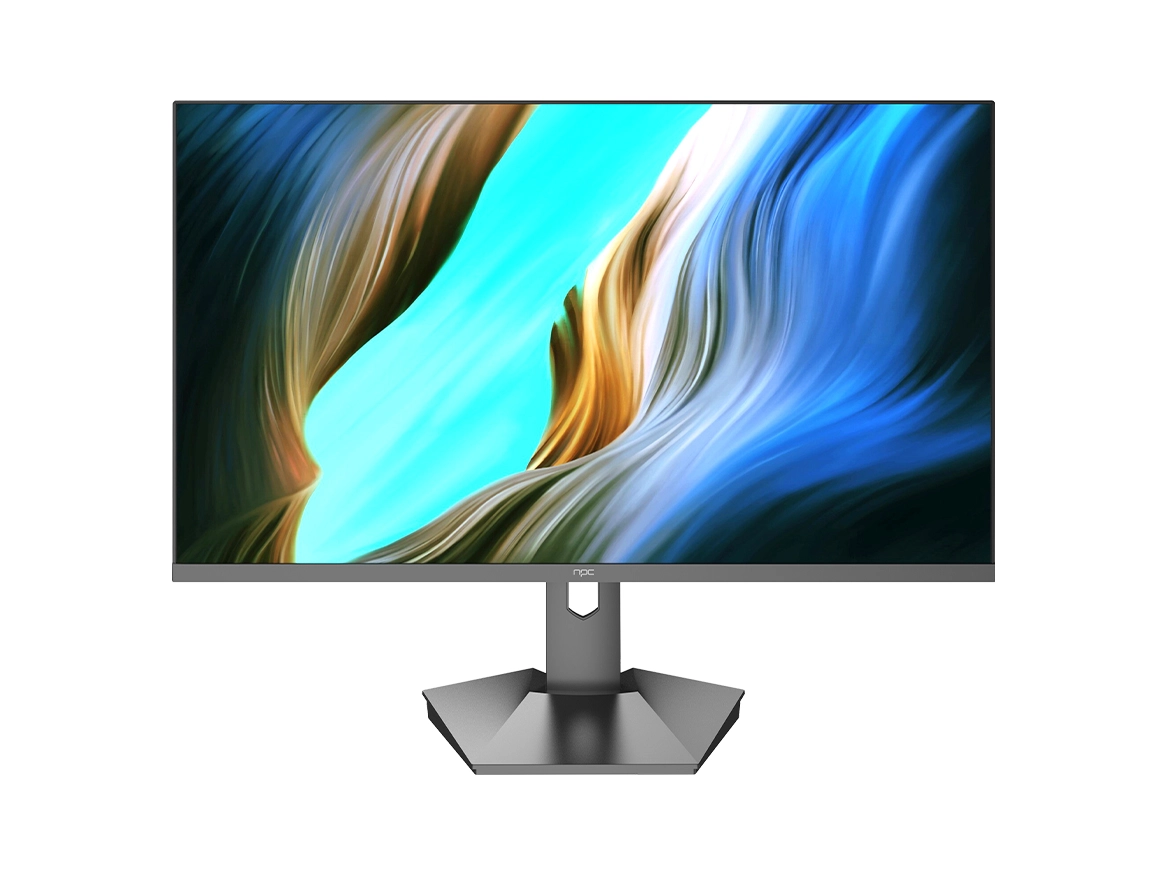


Let's clarify two common settings found in modern systems that directly influence responsiveness and speed. Often tucked away in graphics or system settings, Performance Mode and Low Latency Mode are software-level adjustments designed to optimize how hardware resources are managed. For users of an efficient all in one computer ryzen 5, understanding these functions helps in tailoring the system behavior for specific tasks, from creative work to everyday use.
Defining the Operational Modes
Performance Mode is a system-wide setting, typically found in the operating system's power plans or within proprietary control software. Its primary function is to instruct the processor and other components to prioritize speed over power conservation. This means the CPU, like an AMD Ryzen™ 5, will maintain higher clock speeds more consistently, and the cooling fans may operate more aggressively to sustain these speeds. Conversely, Low Latency Mode is usually a graphics-specific setting, frequently labeled as "Anti-Lag" in driver software. Its job is to minimize the time between a user's input—like a mouse click—and the corresponding action appearing on screen by reducing the queue of pre-rendered frames within the graphics pipeline.
The Tangible Benefits for User Tasks
The advantage of enabling Performance Mode is most noticeable during sustained, computationally intensive work. For activities such as rendering special effects, applying complex filters in image editing, or compiling code, the processor can operate at its peak potential without throttling down to save energy. This leads to shorter completion times for these demanding processes. Low Latency Mode, on the other hand, targets a different experience: interactivity. In scenarios where millisecond response is valued, such as in real-time creative software or even in everyday navigation, it makes the entire system feel more direct and immediately connected to your commands.
Practical Application in an Integrated System
Implementing these modes effectively depends on the harmony of core components. A capable processor is the foundation. The multi-core architecture of a modern Ryzen 5 chip handles the sustained demands of Performance Mode efficiently. This capability is central to the design of the NPC AMD All-In-One PC collection. These systems blend such performance with versatility, ensuring that the hardware can support these heightened operational states. The integration of AMD Radeon™ Graphics and fast M.2 SSDs in the NPC lineup further supports this, as quick storage and integrated graphics work in tandem with the processor to eliminate bottlenecks when modes that prioritize speed are active.
In summary, Performance Mode adjusts the power and thermal envelope for raw processing throughput, while Low Latency Mode fine-tunes the graphics pipeline for instantaneous feedback. Both are tools to align your computer's behavior with your immediate task. For professionals or enthusiasts using an all in one computer ryzen 5 for creative projects, leveraging these settings can refine the workflow. The NPC Ryzen AIO PC product range, including its 24-inch and 27-inch models, is engineered to deliver this exceptional speed and efficiency. By focusing on a seamless blend of performance-critical components, NPC systems provide a clutter-free foundation where these performance features can be fully utilized for professional workspaces and demanding creative projects.


