





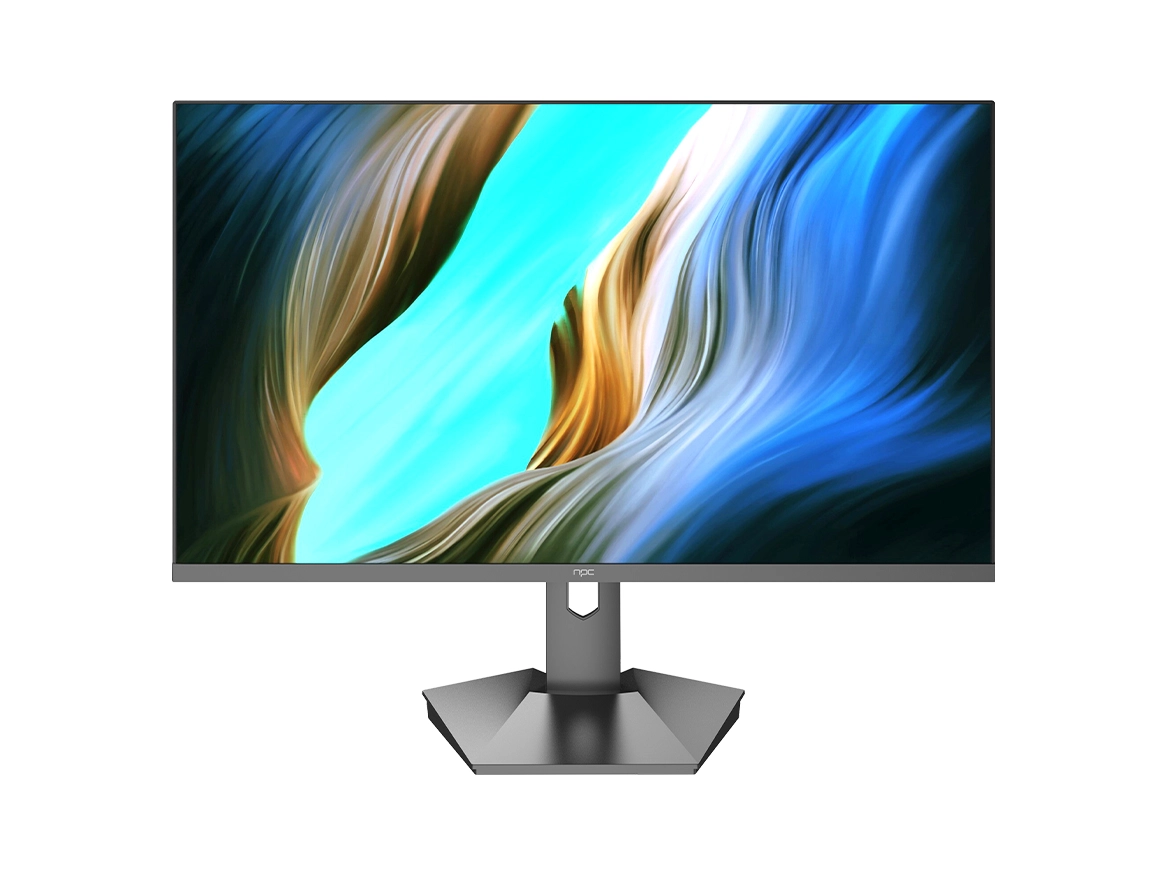


Many computer users recognize the Central Processing Unit (CPU) as the brain of their machine, but its companion, the Graphics Processing Unit (GPU), operates on a different principle. At NPC, we will examine the core functions of a GPU, moving beyond just visual output to explain its role in parallel processing and why it has become essential for specific computational workloads.
Accelerating Visual Rendering and Professional Design
The original and most direct function of a GPU is to calculate and render images, videos, and animations. Unlike a CPU that handles tasks sequentially, a GPU uses thousands of smaller cores to perform thousands of parallel calculations simultaneously. This architecture is ideal for generating complex visuals. For tasks like 3D modeling, video editing, and visual effects production, a capable GPU dramatically speeds up rendering times, enables real-time previews, and manages high-resolution displays efficiently. This parallel structure is what allows for smooth visual output in professional creative software.
Powering Computational Work in Science and Artificial Intelligence
The GPU's ability to perform massive parallel calculations has made it invaluable in scientific computing and artificial intelligence. Fields like computational biology, financial modeling, and data science use GPUs to run complex simulations and analyze vast datasets much faster than traditional CPUs. In AI, the training of neural networks involves adjusting millions of parameters—a process that requires immense matrix multiplication operations. The GPU's architecture is exceptionally well-suited for this, making it the standard hardware for machine learning development and accelerating research timelines across multiple industries.
Enhancing Modern Gaming and Simulation Experiences
In interactive entertainment, the GPU is responsible for creating immersive environments. It processes geometry, applies textures, calculates lighting and shadows, and renders each frame. Modern game engines leverage advanced GPU features for realistic physics simulations, intricate particle effects, and high-dynamic-range lighting. The performance level of a system's GPU directly determines the resolution, detail settings, and frame rates achievable, forming the foundation of the visual experience in games and virtual simulations.
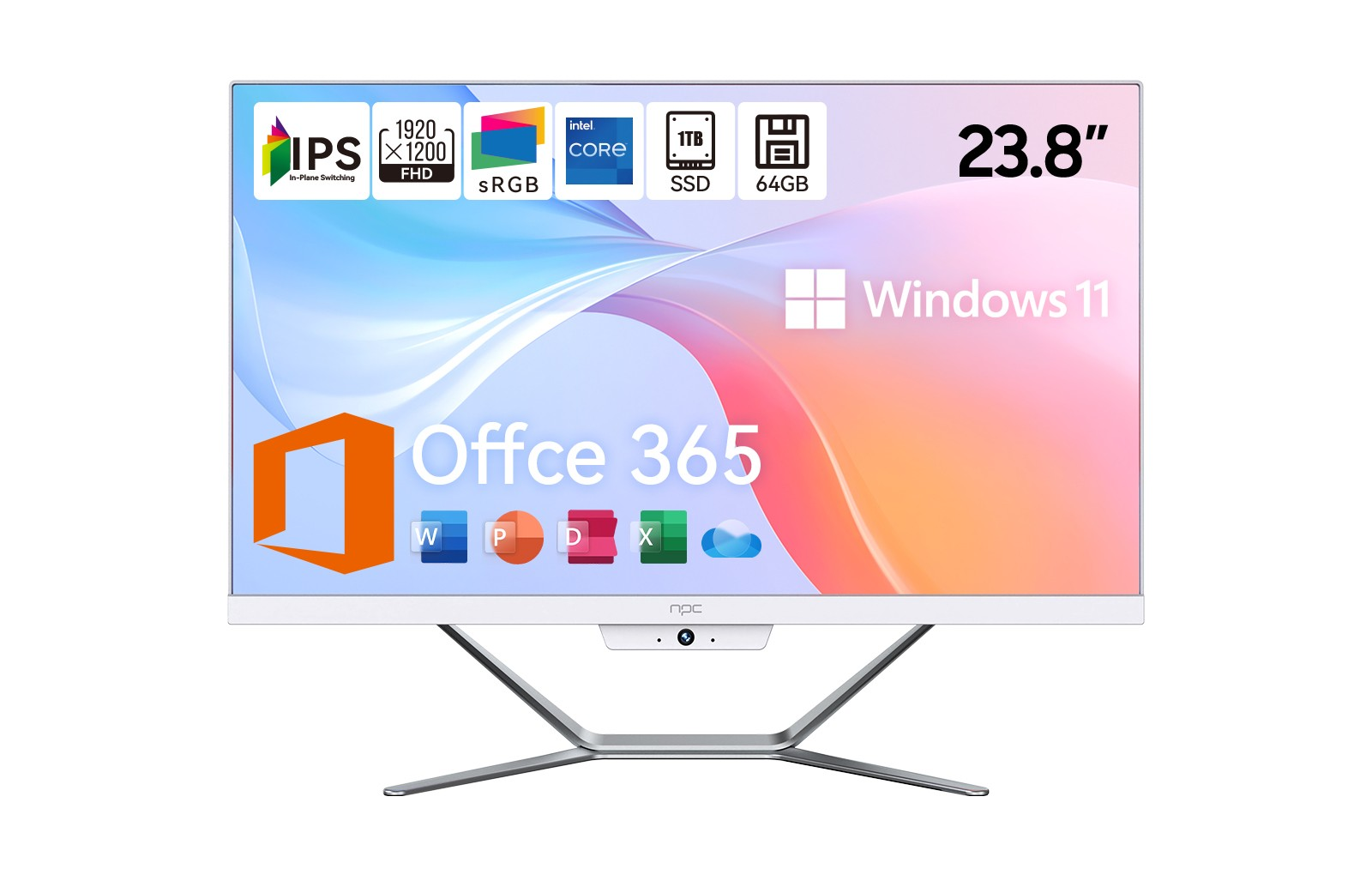
This reliance on capable graphics processing informs integrated system design. A balanced all in one pc ryzen system, such as those in the NPC AMD All-In-One PC collection, pairs AMD Ryzen™ processors with integrated AMD Radeon™ Graphics. This combination provides the parallel processing architecture needed for accelerated image editing, smooth visual effects production, and efficient everyday multitasking. For users seeking a streamlined solution that accommodates both general computing and graphics-aware tasks, the NPC all in one pc ryzen models present a considered option.


