





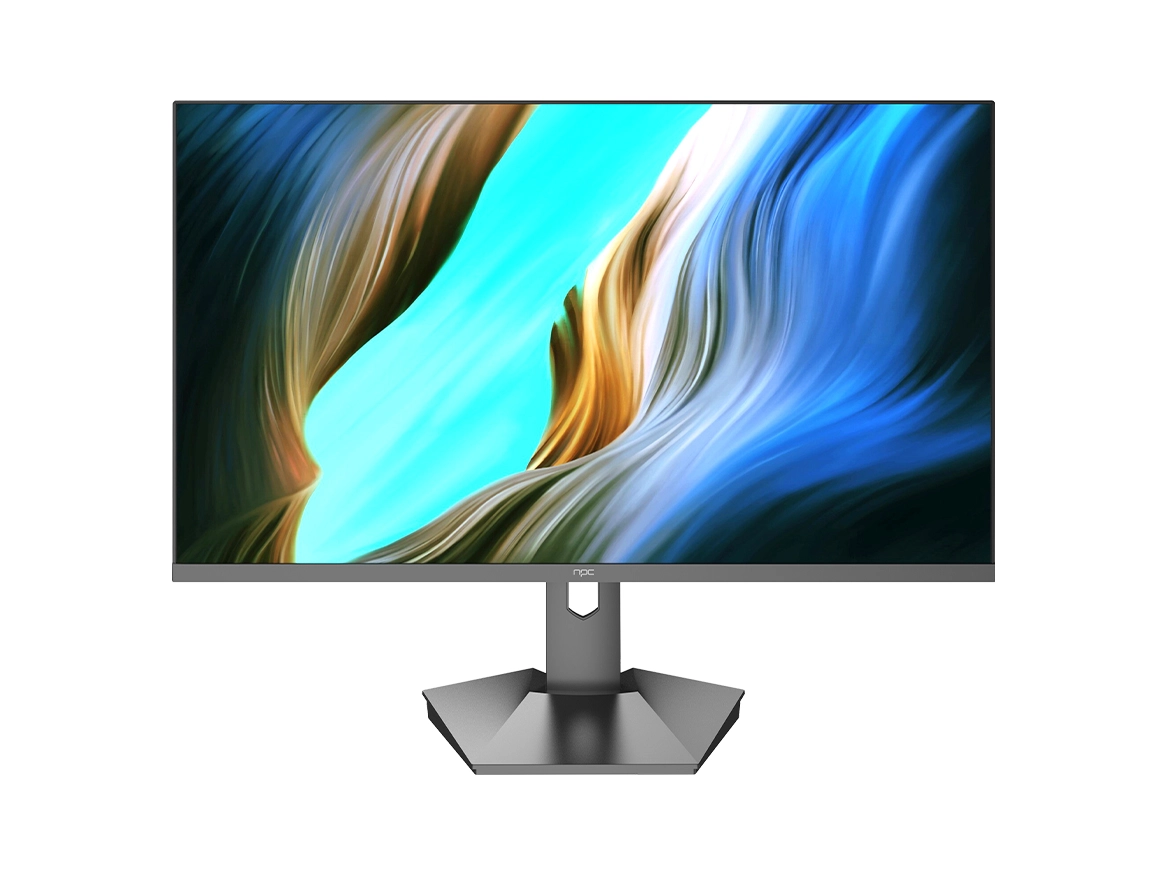


Fundamentally, at the core of modern visual computing on Windows platforms lies a collection of APIs known as DirectX. Specifically, DirectX 12 represents a significant evolution in how software communicates with a computer’s graphics hardware. We will clarify its primary functions and the tangible benefits it delivers, particularly in integrated systems where efficient resource management is critical. This explanation focuses on its operational role in enhancing graphical performance and enabling more sophisticated visual applications.

The Shift to Low-Level Hardware Access
A primary function of DirectX 12 is providing developers with lower-level access to hardware resources compared to its predecessors. Earlier APIs acted as a more generalized interpreter, which could introduce overhead. DirectX 12 reduces this abstraction, allowing software to issue commands to the GPU and manage memory more directly. This efficiency means more detailed graphical instructions can be processed without overburdening the central processor. For a compact system, such as an all in one pc intel configuration, this efficient pipeline is vital. It allows the integrated Intel graphics to perform closer to its maximum potential by minimizing wasteful overhead, leading to smoother rendering in supported applications.
Enabling Advanced Rendering Techniques
Beyond efficiency, DirectX 12 introduces and formalizes support for contemporary rendering techniques essential for realistic visuals. It provides the framework for features like asynchronous computing, which lets the GPU handle different types of tasks simultaneously, and conservative rasterization, useful for certain shadow and occlusion effects. The API also offers improved support for tessellation and volumetric effects. These capabilities allow game developers and professional application designers to create more complex scenes with greater detail. The practical outcome for any user is a richer, more immersive visual experience when using software built for this modern API.
Optimizing Performance for Multitasking Systems
The architectural benefits of DirectX 12 extend to overall system performance, especially during multitasking. By reducing CPU overhead related to graphics command management, more of the processor's power is freed for other tasks. This is a notable advantage for a versatile all in one pc intel device, which may be used for video conferencing, content creation, and software development alongside visual applications. The efficient distribution of workload between the Intel processor and its integrated graphics unit, facilitated by DirectX 12, supports a more responsive and stable system performance. This makes the technology a key component in achieving balanced performance in streamlined desktop designs.
In summary, DirectX 12 functions as a sophisticated intermediary that unlocks higher efficiency and advanced graphical capabilities from hardware. Its design minimizes processing bottlenecks and empowers developers to utilize modern GPUs more fully. The gains in graphical fidelity and system responsiveness are particularly meaningful for integrated computing solutions. At NPC, we recognize the importance of such underlying technologies. Our range of AIO PCs leverages capable Intel hardware designed to utilize APIs like DirectX 12 effectively. We configure our all in one pc intel models to ensure they harness these performance advancements, providing a robust platform for both professional applications and sophisticated visual media within a sleek, unified design.


