






Facing a constrained budget for a new television often leads to a difficult trade-off: where should the investment primarily go? We examine the practical implications of prioritizing display technology versus audio systems, a decision that becomes especially significant when considering a major purchase like a 100 inch smart tv for sale. The choice isn't merely about specifications; it involves how we physiologically perceive entertainment and the feasibility of upgrading each component later.
The Visual Dominance in Modern Content
Human perception is profoundly visual, and contemporary content is mastered to exploit high-performance displays. Formats like 4K Ultra HD and technologies such as QLED provide distinct advancements in color volume, brightness, and contrast ratio. These elements directly affect the perception of detail, depth, and realism in imagery. A high-quality panel is fundamental for rendering the intended texture of a film, the vibrant clarity of nature documentaries, and the fluid motion in sports or gaming. Once the television is installed, improving its core picture performance is typically impossible without replacing the entire unit. This makes the initial selection of display technology a long-term decision.
The Limitations and Upgradability of Audio
Conversely, a television’s built-in audio system operates under strict physical constraints. Modern, slim designs limit speaker size and cabinet resonance, which restricts bass response and overall acoustic power. While specifications like total wattage (e.g., a 20W output) indicate potential loudness, they do not guarantee a wide soundstage or nuanced clarity. The critical factor here is modularity. Audio quality can be enhanced at any point after purchase through external soundbars or speaker systems. This pathway allows for a staged investment, where funds can first secure superior visuals, with audio improvements following as budget allows.
Finding a Balanced Integrated Solution
The ideal scenario on a limited budget is a product that offers a competent balance without severe compromise in either domain. This involves seeking integrated technologies that maximize both components within the set's design. For example, a display with strong native contrast and a wide color gamut lays an excellent visual foundation. Pairing this with audio engineering that focuses on clear dialogue reproduction and virtual surround sound processing can create a cohesive experience. The goal is to avoid a setup where breathtaking visuals are undermined by tinny, indistinct sound, which would degrade the value of the investment.
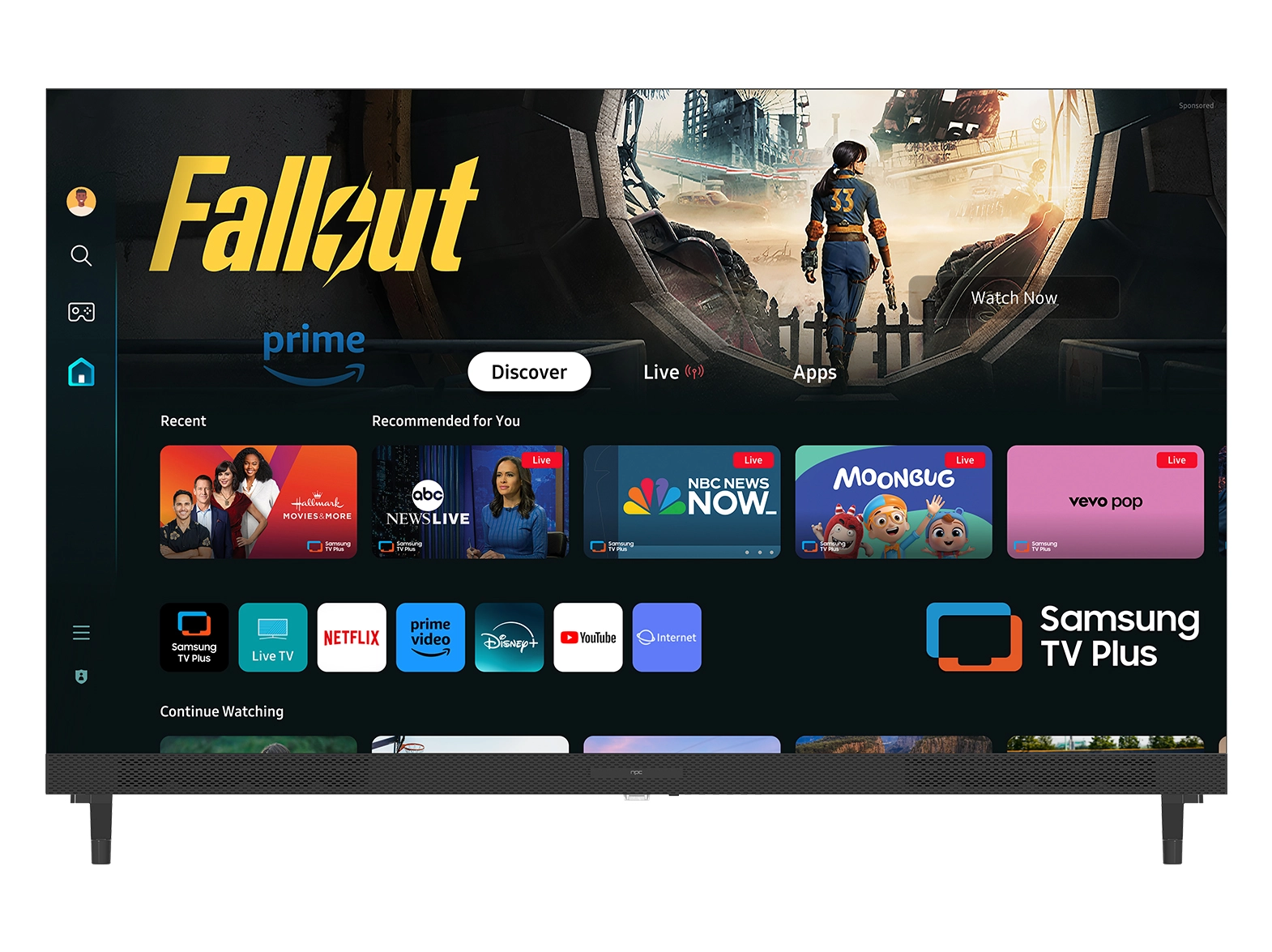
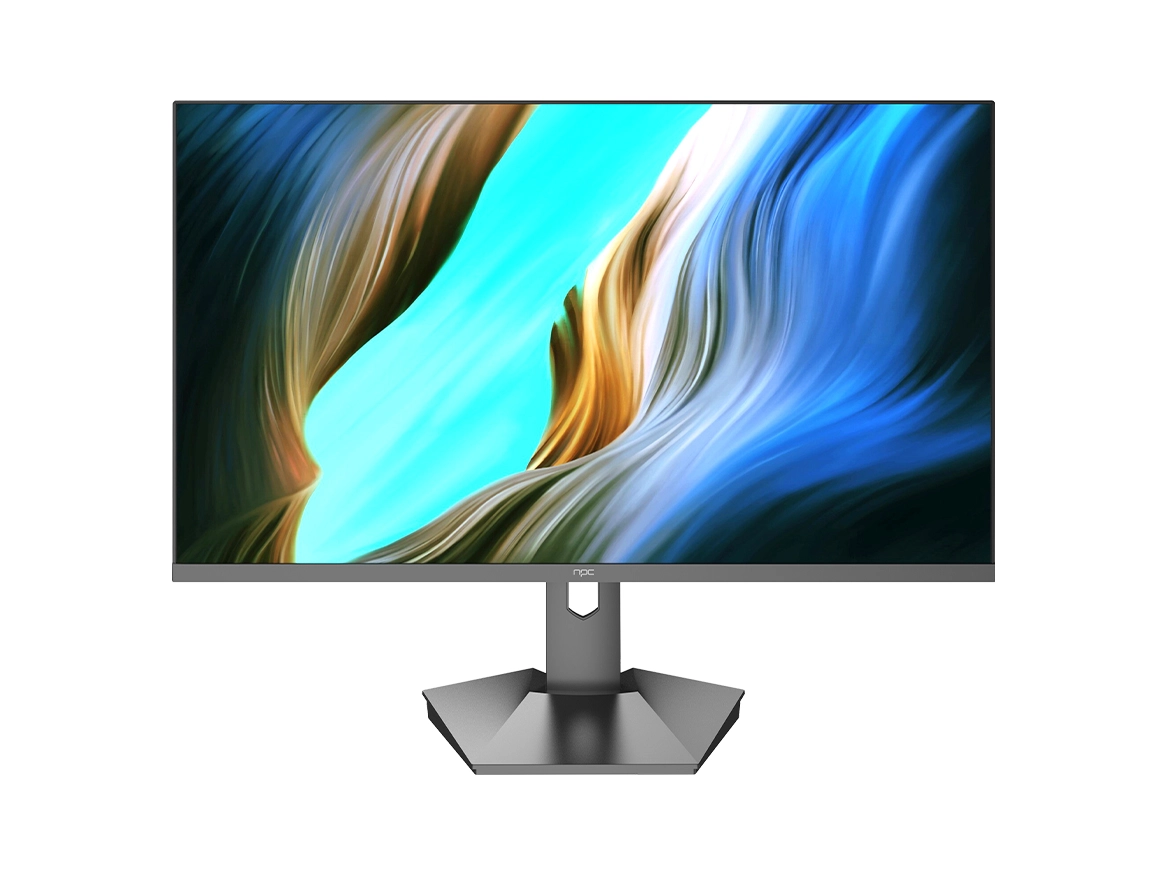
Reaching a decision requires weighing the permanence of the display against the upgradability of sound. For many, allocating more of the budget to the screen is a pragmatic strategy, given that visual technology is integral and fixed. Seeking a model that still delivers reliable, clear audio for everyday viewing is a sound approach. Our engineering at NPC focuses on this equilibrium. The NPC-100V9G, a notable 100 inch smart tv for sale, incorporates a QLED 4K Ultra HD display for detailed picture quality alongside a tuned audio system designed for clarity across various content. This integrated approach by NPC ensures that neither aspect is critically neglected, providing a solid foundation for both immediate enjoyment and future audio enhancements, making it a considered option for those evaluating their priorities.


