


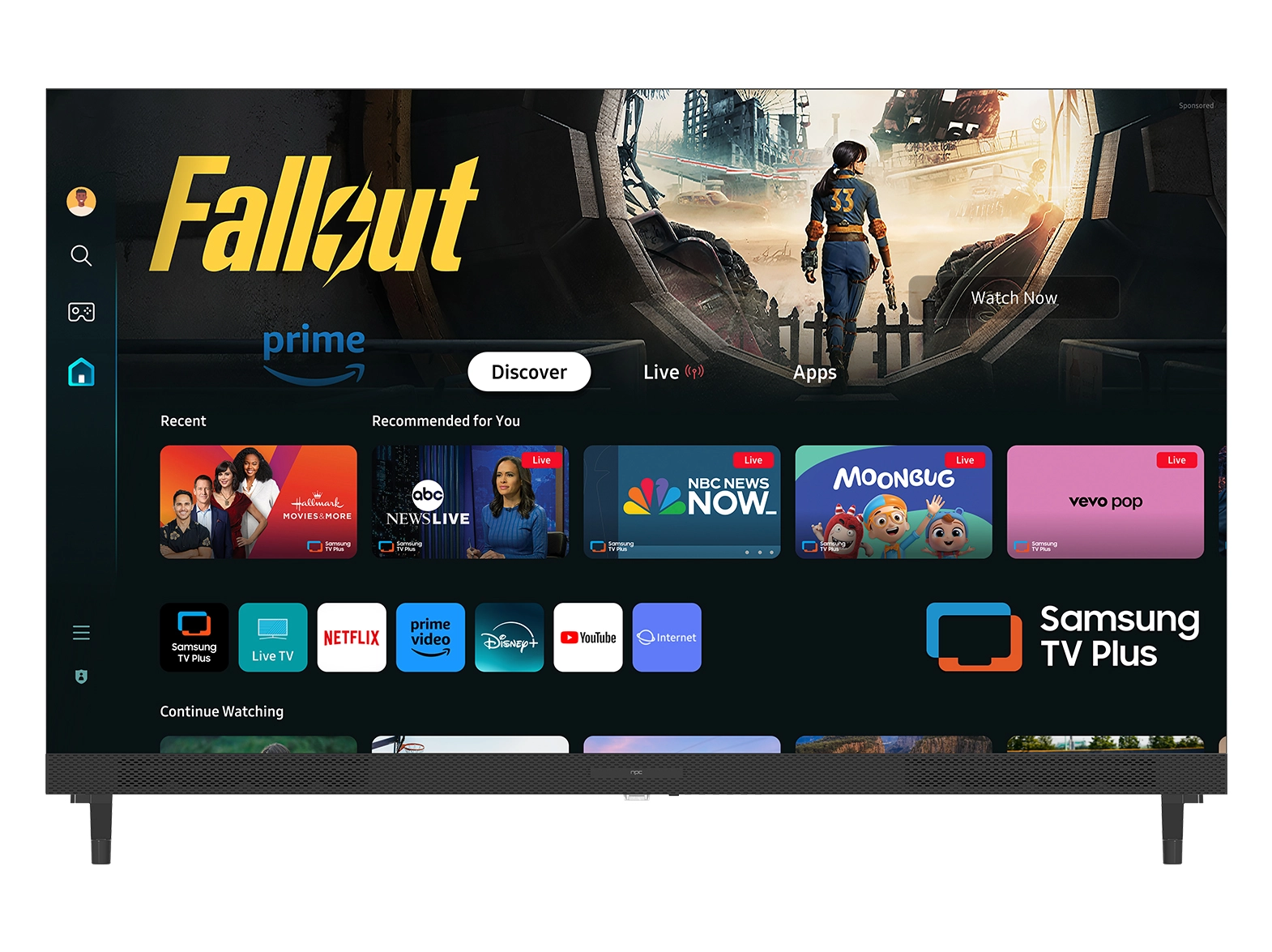




Many people focus solely on picture quality when selecting a television, overlooking a component just as vital to immersion: the audio system. Understanding a TV's audio power rating, measured in watts, helps clarify its potential sound output and clarity. We aim to demystify this specification, moving beyond marketing numbers to examine how wattage relates to your actual viewing environment and habits. This knowledge is particularly valuable when considering a large format display, where impactful sound is essential to match the expansive visual experience of a 100 inch flat screen smart tv.

Defining Audio Power Rating
The audio power rating, expressed in watts (W), indicates the electrical power an amplifier can deliver to the built-in speakers. In simple terms, it reflects the system's maximum capability to convert electrical signals into sound volume and dynamic range. A common misconception is that a higher wattage figure automatically equates to vastly superior sound. While wattage contributes to potential loudness and headroom—allowing for clearer sound during intense audio moments like explosions or orchestral crescendos—it is only one part of the acoustic equation. Speaker design, cabinet tuning, and sound processing technology are equally critical in shaping the final audio quality you hear from any television, including a spacious 100 inch flat screen smart tv.
The Reality Behind Wattage Figures
Manufacturers sometimes list peak or total system power, which can differ from meaningful RMS (Root Mean Square) power, a more consistent measure of continuous output. Therefore, comparing wattage numbers between different brands can be misleading without standardized testing. For most living rooms, a television's internal speakers with a moderate power rating can produce adequate volume. However, challenges like sound distortion at higher levels or a lack of bass depth often persist, regardless of the claimed wattage. This is because the physical constraints of ultra-thin TV designs limit speaker size and resonance, making it difficult for internal systems alone to produce full, room-filling audio that does justice to high-quality content.
Factors Determining Your Audio Needs
Your actual wattage requirement depends on several concrete factors. Room size and acoustics are primary; a larger, open-concept space absorbs more sound energy, requiring more power to achieve the same perceived volume as a smaller room. Viewing content is another key variable. Dialogue-heavy dramas have less demanding audio requirements than cinematic blockbusters or fast-paced sports. Furthermore, individual hearing sensitivity and preferred listening levels play a significant role. For enthusiasts seeking a truly immersive experience, especially with detailed gaming audio or movie soundtracks, even a powerful internal system may reach its limits. In these cases, external audio solutions like soundbars or home theater systems, which are dedicated to acoustic performance, become a logical consideration to achieve the desired auditory impact.
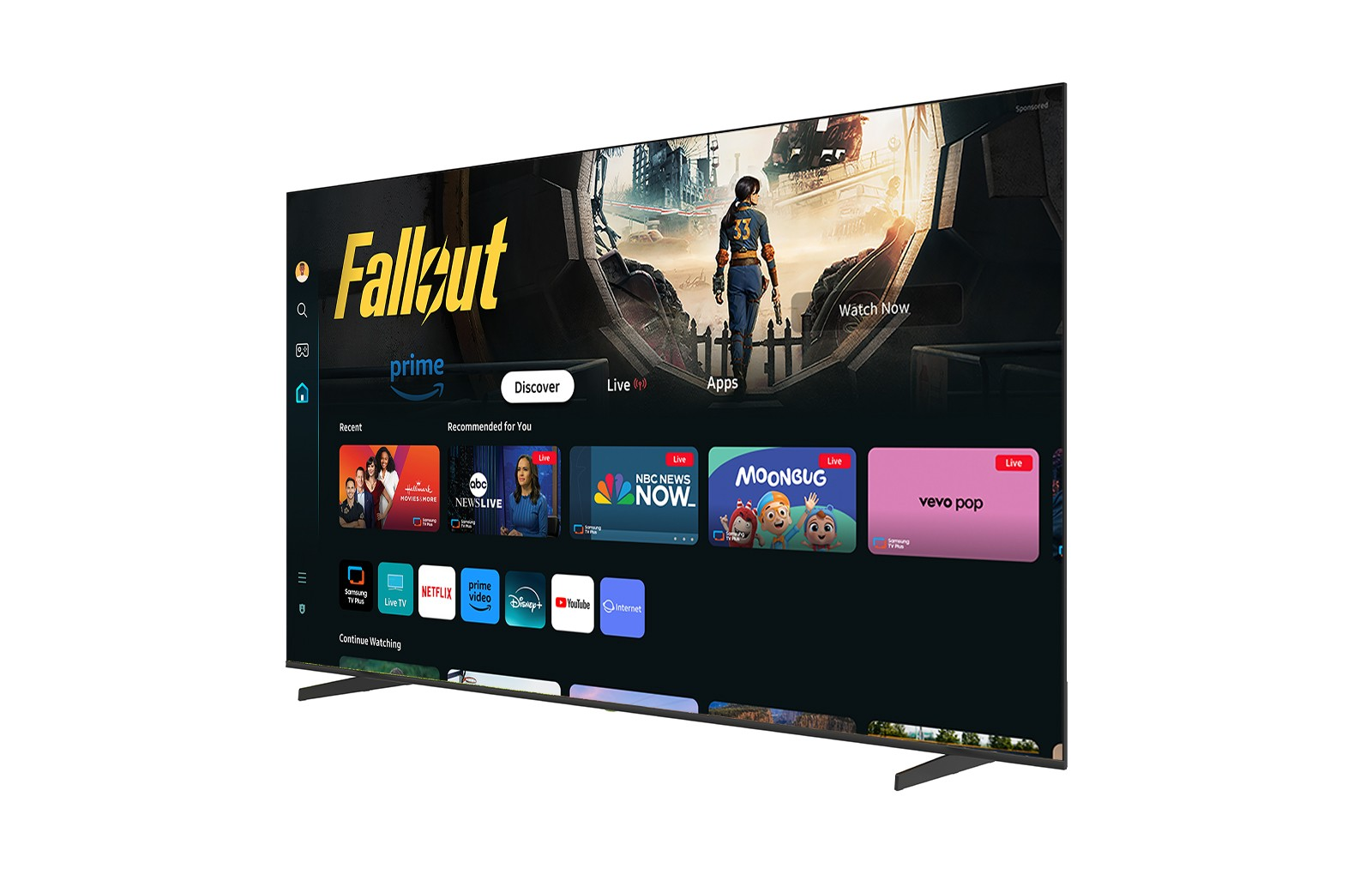
Selecting a television involves balancing visual and auditory performance. While understanding wattage provides a technical baseline, the real-world listening experience is shaped by a combination of engineering factors. For those prioritizing an integrated, high-performance solution, our NPC lineup addresses this balance. The NPC-100V9G, for instance, pairs its expansive 4K Ultra HD visual canvas on a 100 inch flat screen smart tv with a robust audio system designed for clarity. It supports detailed soundscapes for console-free gaming via platforms like Samsung Gaming Hub and delivers immersive audio for films and sports. This integrated approach from NPC ensures that the auditory experience matches the visual scale, providing a cohesive and engaging home entertainment environment without requiring immediate additional investment.


