


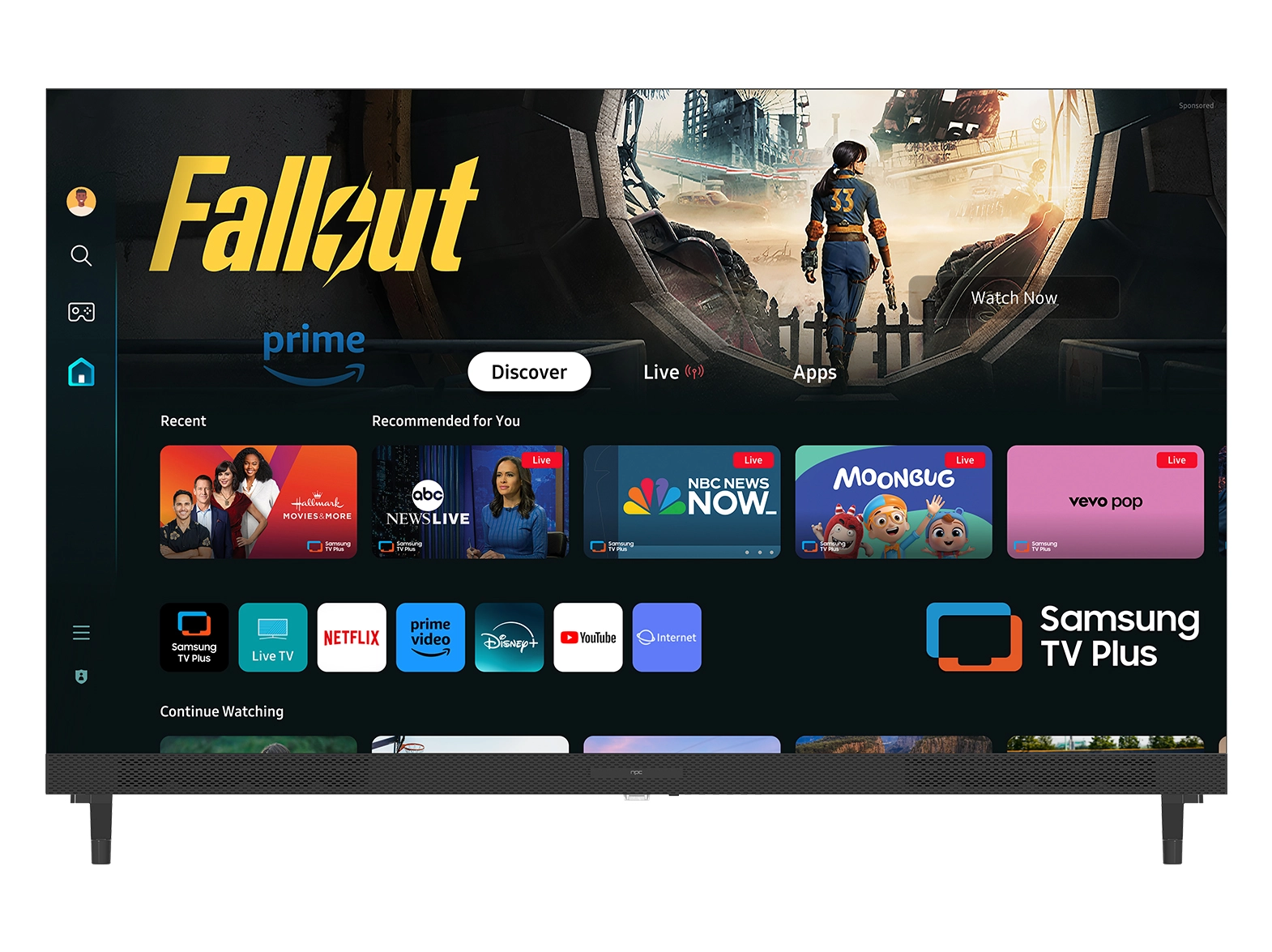


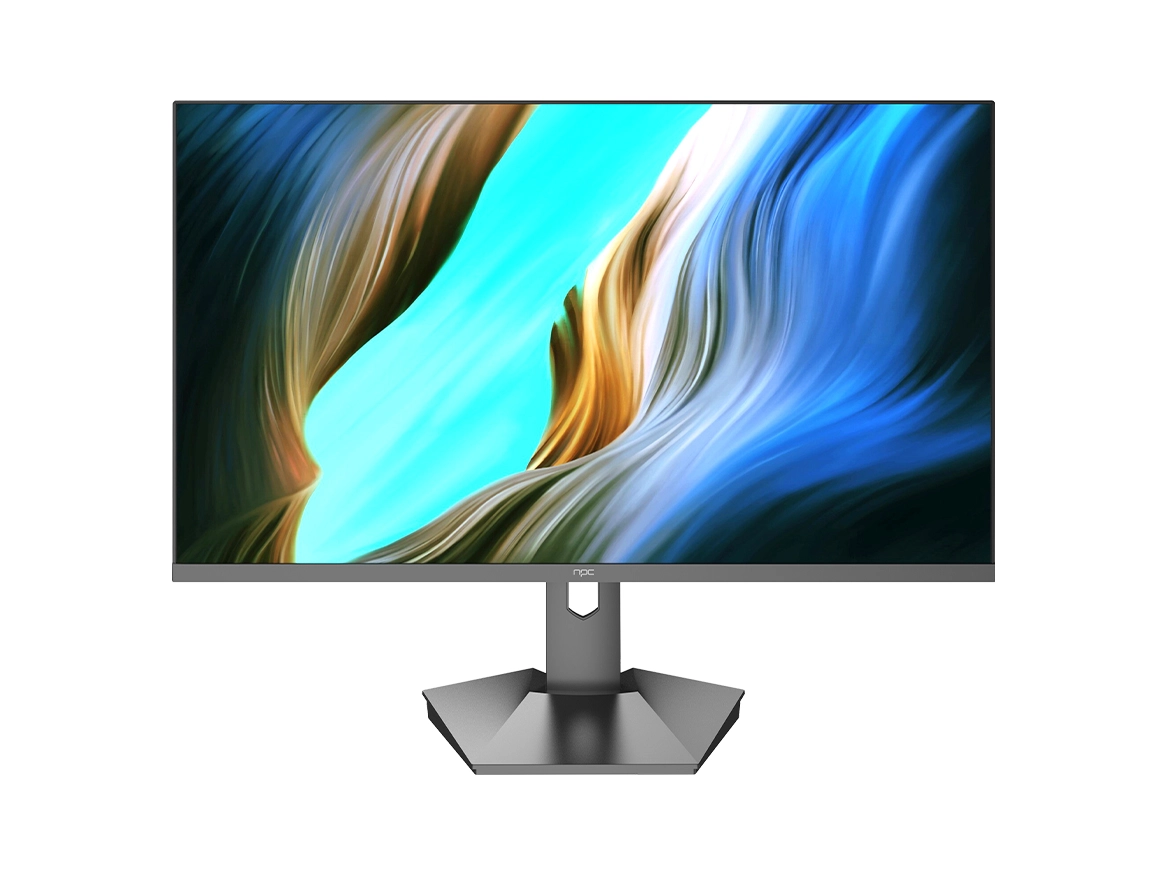


The arrangement of your television's speakers is a fundamental acoustic principle that directly shapes your auditory experience. While often overlooked, where and how sound emanates from your set influences clarity, dialogue intelligibility, and perceived spaciousness. We will analyze the core relationship between speaker position and audio performance, with specific reference to a common configuration found in models like a 32 HD smart TV.
The Direct Path: Onboard Speaker Orientation and Design
Most modern televisions, including compact models such as a 32 HD smart TV, feature speakers positioned on the bottom edge or rear panel. This design creates a directed sound path. When these speakers fire downward or straight out, the sound waves first reflect off your entertainment unit or wall before reaching your ears. This can slightly muddy audio clarity. The intrinsic quality of these speakers sets the baseline. For instance, the NPC-32N24 model utilizes 10W stereo speakers with Dolby Audio processing. This hardware provides a clear foundation, but its potential is fully realized only with considered placement. The directionality means that ensuring an unobstructed path between the speakers and your listening position is the first critical step.
Room Interaction and Acoustic Environmental Factors
Sound waves do not operate in isolation; they interact with the physical space of your room. The distance from your television to the nearest walls, the presence of hard or soft surfaces, and even the size of the room create reflections, absorptions, and standing waves. Placing a television too close to a corner can amplify certain bass frequencies, making dialogue less distinct. Conversely, a room with excessive hard surfaces like bare floors and walls can cause high-frequency reflections, leading to a harsh sound. The goal is to manage these interactions. For a television serving as the primary audio source, like the NPC-32N24, central placement on a stand, away from deep corners and at an appropriate height relative to seated ear level, helps minimize problematic acoustic interference and allows its audio processing to work as intended.
Practical Optimization for Integrated Television Audio
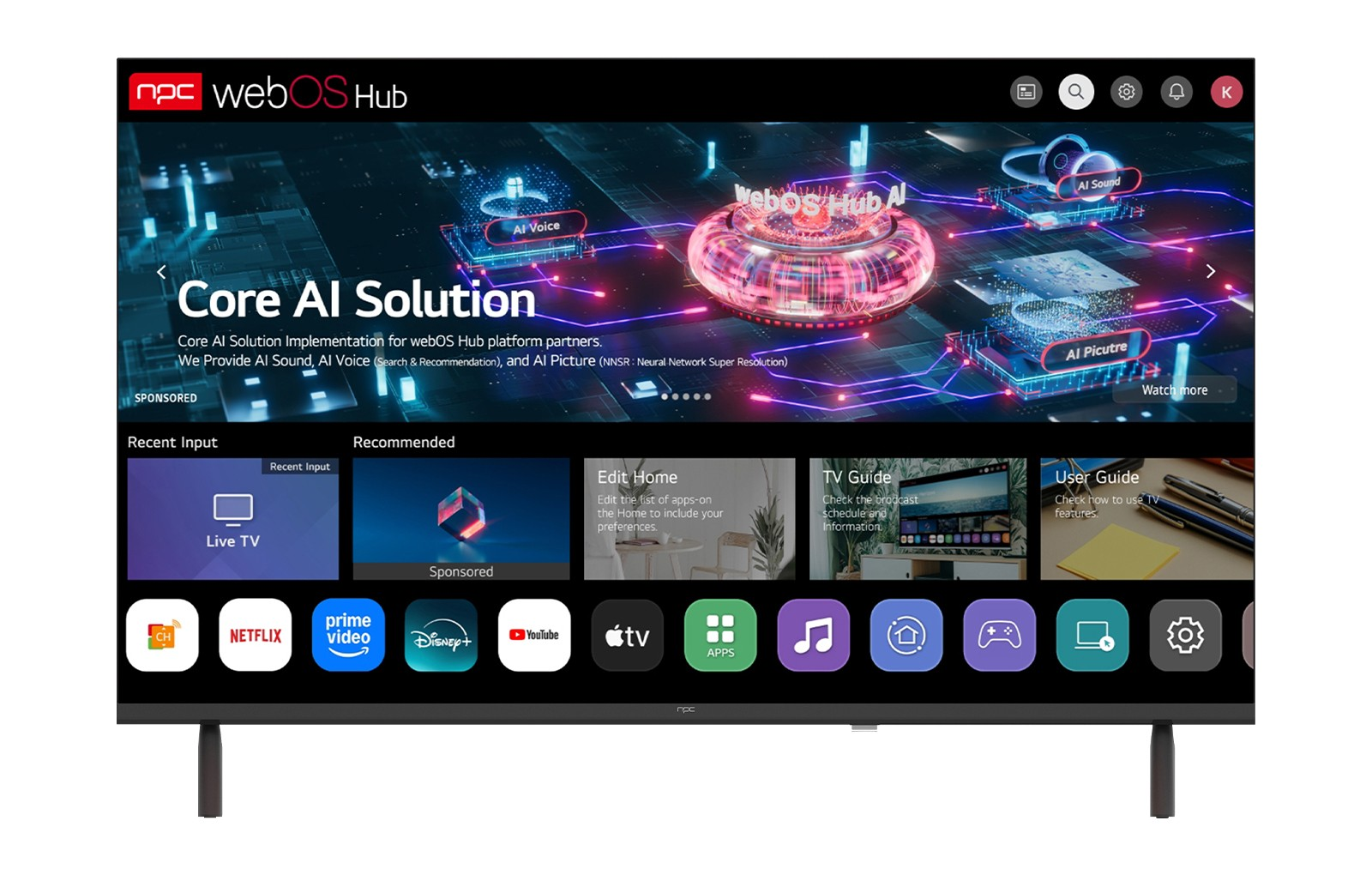
Optimizing placement for built-in speakers involves a few actionable steps. First, position the television so that the speakers are aimed as directly as possible toward the primary listening area, even if they are downward-firing. This may involve tilting the set slightly backward. Second, ensure no objects directly block the speaker grilles. Third, consider the surface the TV sits on; a solid, dense media stand is preferable to one that might vibrate or resonate. Finally, calibrate the sound settings within the smart OS to match your room. While the NPC model runs webOS and offers various audio modes, these digital enhancements work best from an optimal physical starting point. Thoughtful placement allows the integrated audio system of a 32 HD smart TV to deliver balanced frequency response and improved stereo separation.
Speaker placement is a tangible variable in the pursuit of clear television audio. It is the interface between a set’s engineered audio capabilities and the listening environment. For viewers of compact models, these principles ensure you experience the full depth of the onboard sound system. Our work at NPC focuses on integrating capable audio components, such as the Dolby Audio-supported system in our NPC-32N24, into designs that account for real-world use. The engineering philosophy at NPC acknowledges that performance is a product of both internal technology and its external interaction with your space.


