





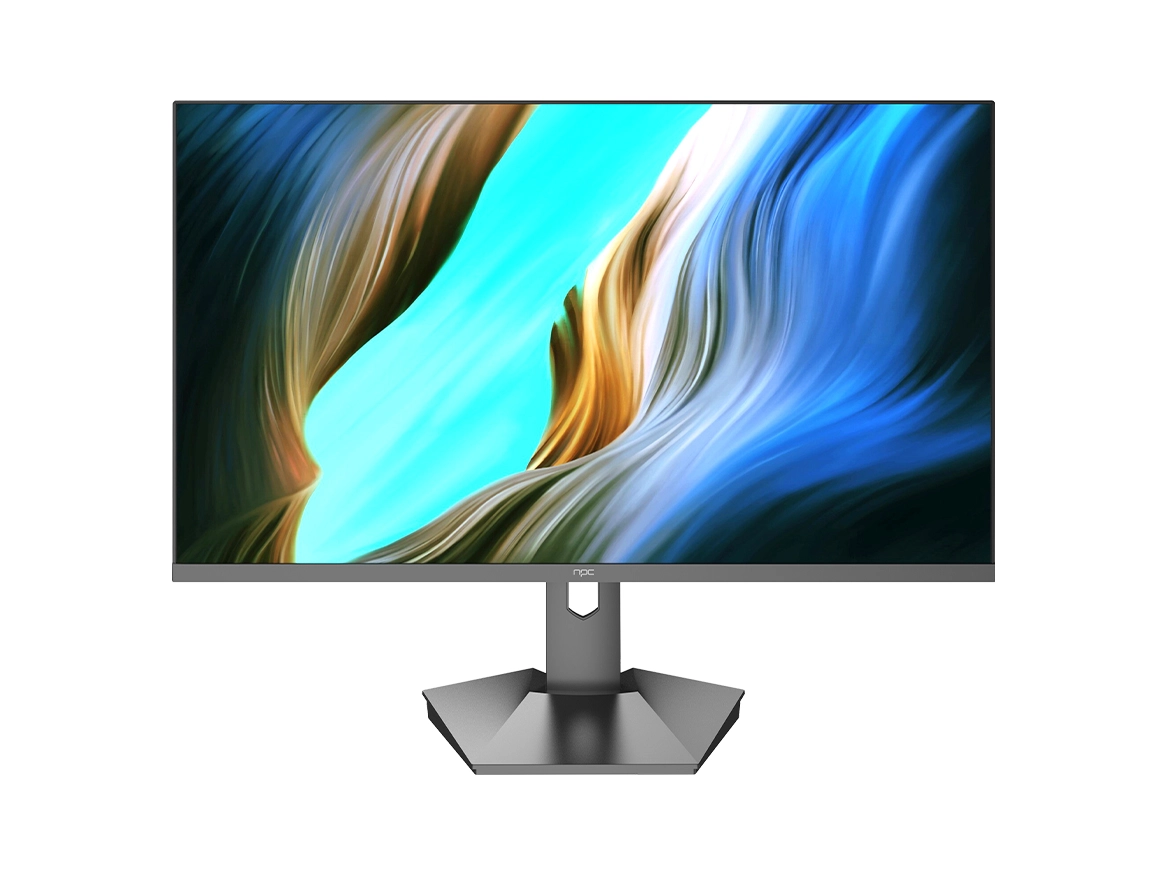


For many of us, the pursuit of a sleeker television has been a constant trend. As displays become slimmer, integrating quality audio into the chassis presents a clear acoustic challenge. The relationship between a TV's physical depth and its sound output is not merely aesthetic but rooted in fundamental principles of sound physics. We will explore the science behind this design tension and how it influences what we hear from modern flat screens, including specific 32 inch flat screen smart tv models.
The Physics of Sound and Cabinet Space
At its core, a speaker functions by moving air. A driver, or speaker cone, vibrates to create sound waves. The performance of this driver is heavily dependent on the enclosure behind it. In a traditional speaker cabinet, this space, often called the baffle, is crucial. It allows for proper airflow and resonance, contributing to fuller bass response and clearer audio projection. When the cabinet depth is drastically reduced, as in ultra-thin televisions, this resonant space is compromised. The result can be audio that lacks lower-frequency depth, potentially sounding thin or strained at higher volumes, a common compromise in the design of a sleek 32 inch flat screen smart tv.
Design Compromises in Slim Television Frames
Manufacturers face a direct trade-off. A thinner profile is visually appealing and fits modern interiors, but it limits the size and excursion of speaker drivers and the volume of the acoustic chamber. Smaller drivers struggle to move sufficient air to produce robust bass. Furthermore, without adequate internal space to manage sound waves, certain frequencies can cancel each other out or cause distortion. This engineering hurdle means that achieving powerful, balanced sound from an exceptionally thin frame often requires external soundbars or speaker systems, an additional consideration for buyers of a slim 32 inch flat screen smart tv.
Engineering Solutions for Audio in Thin TVs
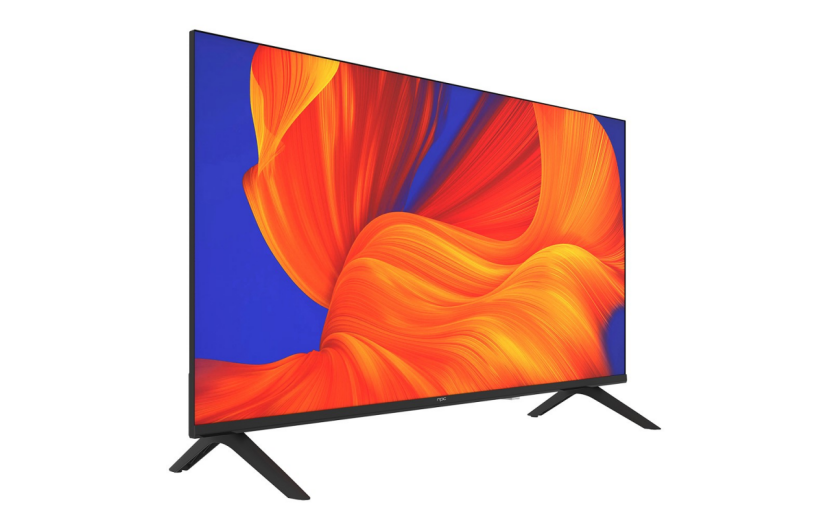
The industry addresses these limitations through advanced acoustic engineering. One method involves using sophisticated digital signal processing (DSP) to electronically enhance bass and clarity, attempting to compensate for physical shortcomings. Another approach is strategic component layout and the use of materials that vibrate minimally. For instance, some designs use the entire TV frame as a resonance chamber. Our approach at NPC examines this balance directly. In the NPC-32N24 model, we adopt an ultra-thin backlight module. This prioritizes a stunning visual experience with 1080P Full HD resolution and enhanced contrast, but we acknowledge the audio constraints of such a design.
We understand that immersive entertainment relies on both sight and sound. Therefore, while the NPC-32N24 delivers a visually shocking experience for high-definition blockbusters on its full screen, we recommend pairing this 32 inch flat screen smart tv with dedicated external audio. This combination respects the laws of acoustic physics while providing the holistic quality that viewers seek. For those who value an integrated, streamlined setup, exploring NPC televisions designed with a greater emphasis on acoustic engineering from the outset can offer a more balanced audiovisual solution.


