


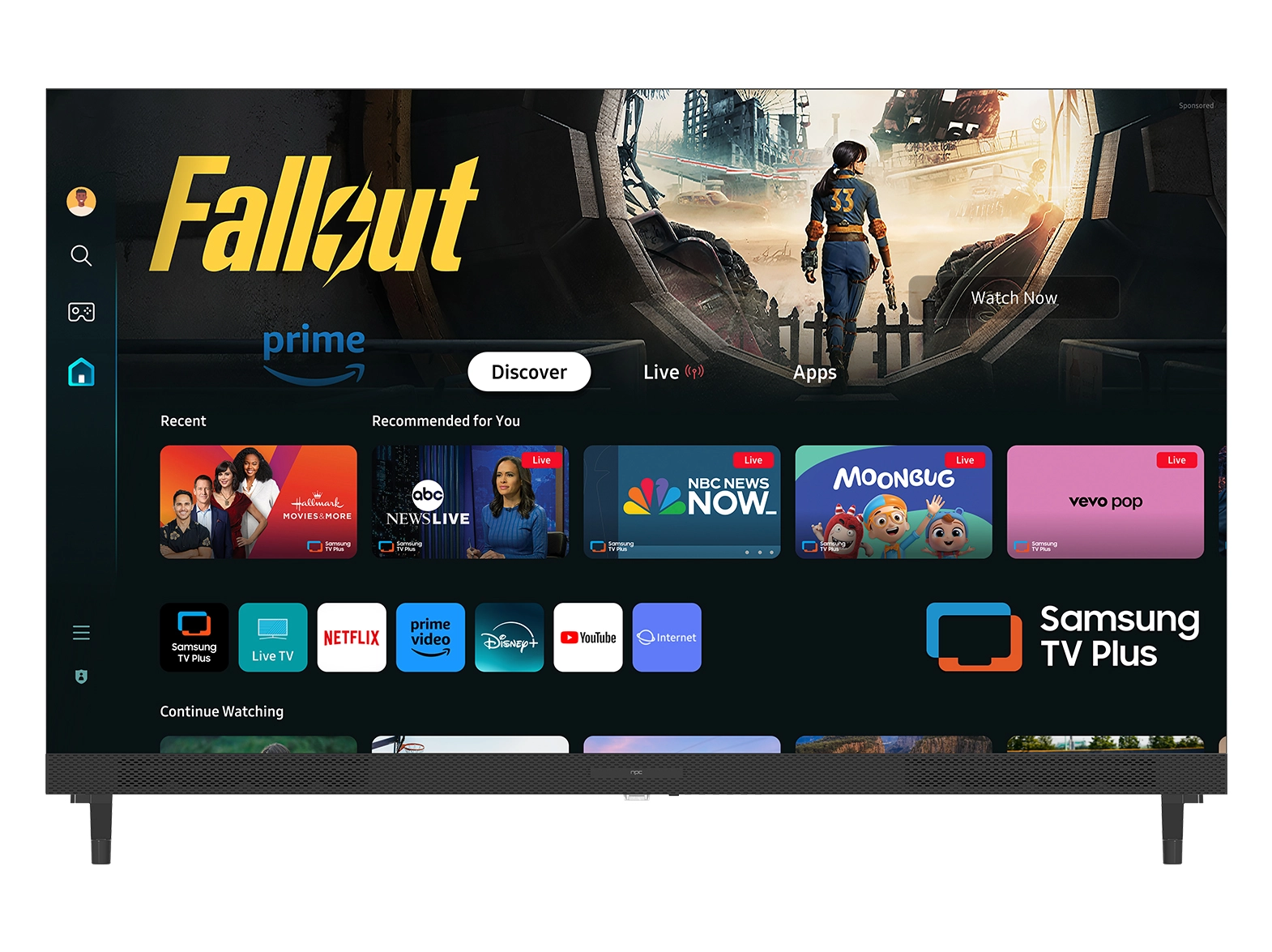





Consider the moment you connect a new soundbar or home theater system to your television, expecting a cinematic audio experience, only to find the sound inconsistent or format-limited. This common situation often points to a fundamental audio setting: passthrough. We will explain the technical function of audio passthrough and its role in creating a seamless connection between a television and an external sound system. For owners of a modern 32 inch tv smart model, managing this setting is key to unlocking full audio potential.
The Technical Role of Audio Passthrough
Audio passthrough is a specific setting that instructs a television’s internal processor to bypass decoding or altering an incoming audio signal. Instead, the television acts as a conduit, passing the raw, digital audio bitstream—like Dolby Digital or DTS—directly to a connected receiver or soundbar via HDMI ARC or eARC. This process is important because it allows the external audio device, which is often more specialized and powerful, to handle the decoding and processing. Without passthrough enabled, a 32 inch tv smart might downmix a complex 5.1 surround sound signal to a simpler format, losing spatial audio details and dynamic range before the signal even reaches your speakers.
Integrating Passthrough with Smart TV Ecosystems
The value of correct audio passthrough configuration grows within feature-rich smart TV platforms. For instance, features like individualized user profiles with Voice ID, which tailor content recommendations, rely on clear voice capture and playback to function optimally. When audio signals are passed through cleanly to a quality sound system, dialogue enhancement features from both the TV and soundbar can work more effectively. This ensures that voice commands for integrated smart home systems, including ThinQ AI, Google Assistant, or Alexa, are recognized reliably, and that recommended movie audio is presented as the sound engineer intended. Proper passthrough maintains signal integrity from source to output.
Enhancing Specialized Content with Direct Audio Path
This direct audio path is particularly impactful for gaming and sports content. Gaming features, such as compatibility with services like Xbox Game Pass Ultimate, benefit from passthrough because it can reduce audio latency, the delay between an on-screen action and its corresponding sound. This creates a more synchronized and immersive gaming experience. Similarly, for sports viewed through a dedicated portal with Quick Cards for live games, passthrough ensures that crowd atmosphere and commentator clarity are delivered without unnecessary compression, preserving the live-event feel. A well-configured 32 inch tv smart becomes a more capable hub for these high-quality entertainment experiences.
Implementing audio passthrough is a critical step in building a coherent home entertainment system, where each component performs its intended role without interference. The television focuses on delivering a pristine picture, while the external audio system decodes and produces sound. For those evaluating their setup, considering a model designed with this holistic connectivity in mind is logical. The NPC-32N24, for example, structures its personalized and gaming-ready features around robust connectivity standards, ensuring that advanced functions operate on a foundation of stable video and unaltered audio transmission, allowing peripherals to perform at their best.


