


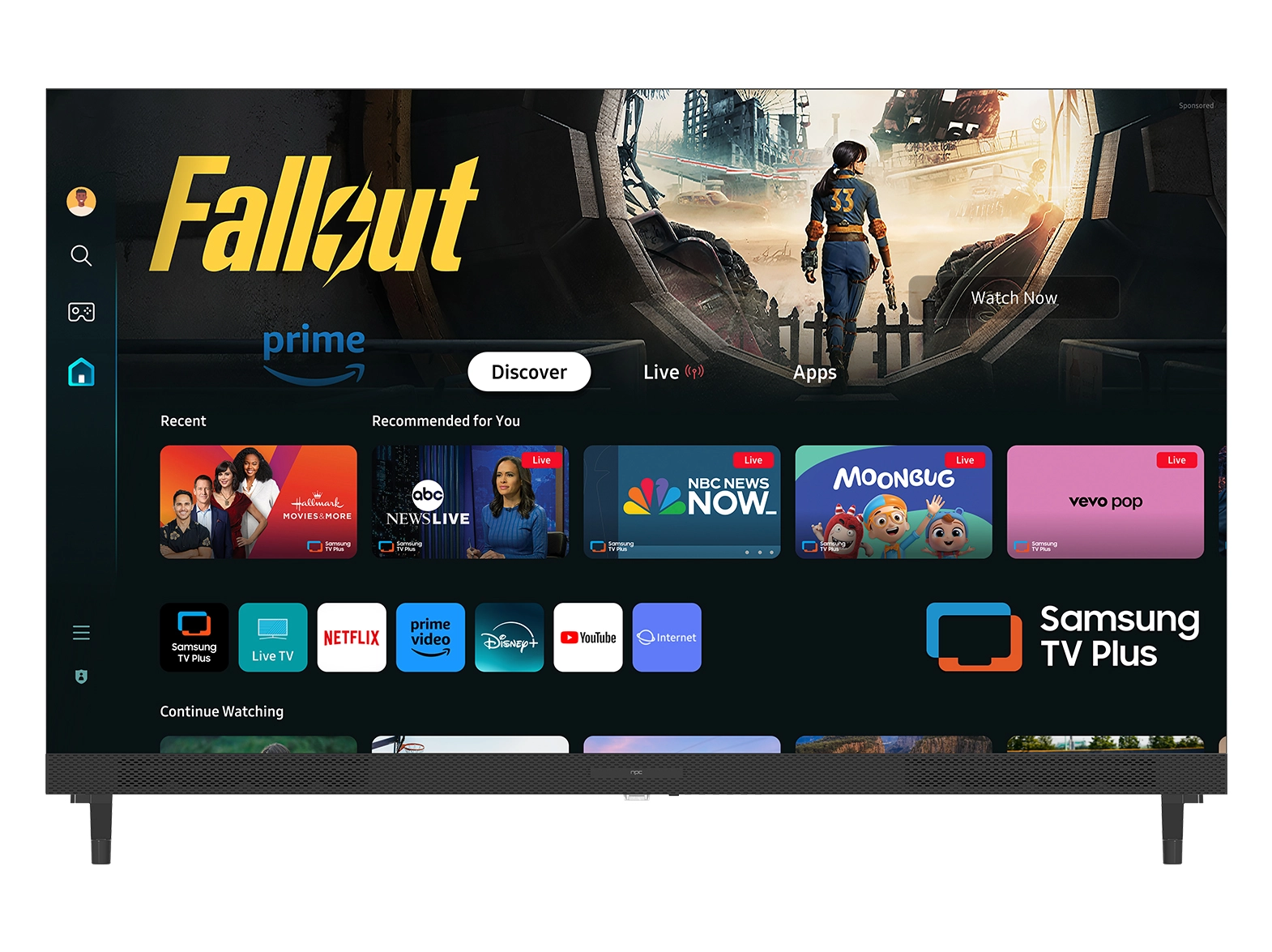




Many viewers focus on picture quality, yet immersive sound fundamentally shapes viewing engagement. Two names dominate home theater audio: Dolby Digital and DTS. For owners of a modern Tizen OS smart TV, these formats decode the audio tracks from movies and streaming content, but their technical approaches differ. We at NPC examine the engineering distinctions between these formats to clarify their practical impact on your setup, helping you discern what your equipment supports and what your ears can perceive.

Decoding the Core Technical Foundations
Both Dolby Digital and DTS are lossy audio compression technologies, meaning they reduce file size for transmission while aiming to preserve critical sound data. Dolby Digital, prevalent in streaming services and broadcast television, uses a coding method called Modified Discrete Cosine Transform. DTS, historically favored on Blu-ray discs, often employs a higher data rate, which some argue can result in less perceptual compression and a potentially more dynamic range. The choice between them isn't about one being universally superior; it hinges on the source material's encoding and the decoder in your device, such as a Tizen OS smart TV.
Compatibility and Source Material Considerations
Your listening experience is dictated by the audio track provided by the content creator and the decoding capabilities of your hardware. Most major streaming platforms like Netflix and Disney+ commonly use Dolby Digital Plus, an enhanced version of the format that supports more channels and object-based audio like Dolby Atmos. DTS-HD High Resolution Audio is its counterpart, often found on physical media. A capable Tizen OS smart TV will typically support decoding for both core formats, passing the signal to your soundbar or AV receiver. The "better" format is effectively the one the film's sound engineers mastered for, played back on a system that can decode it faithfully.
Evaluating Your System’s Audio Performance
The question of which format is better for you depends on your entire audio chain. If you use only your television's internal speakers, the nuanced differences between high-bitrate DTS and Dolby Digital are often marginal, as the speakers cannot fully resolve the detail. The advantage becomes audible with a dedicated sound system. Listen for clarity in crowded scenes, the definition of ambient effects, and the punch of low-frequency sounds. Conduct a simple test: play the same film scene from a source providing Dolby Digital and another providing DTS, if available, on your same equipment.
Audio format compatibility is a key specification, not just a marketing bullet point. It ensures your entertainment system can interpret the director's auditory intent. For users invested in a holistic home theater experience, verifying your TV’s audio pass-through capabilities is as crucial as checking video resolution. At NPC, our soundbars and partnered systems are designed to decode both major format families, ensuring compatibility with content from your Tizen OS smart TV. We at NPC focus on delivering the precise audio experience the content provides, allowing you to hear the difference technical foundations make.


