


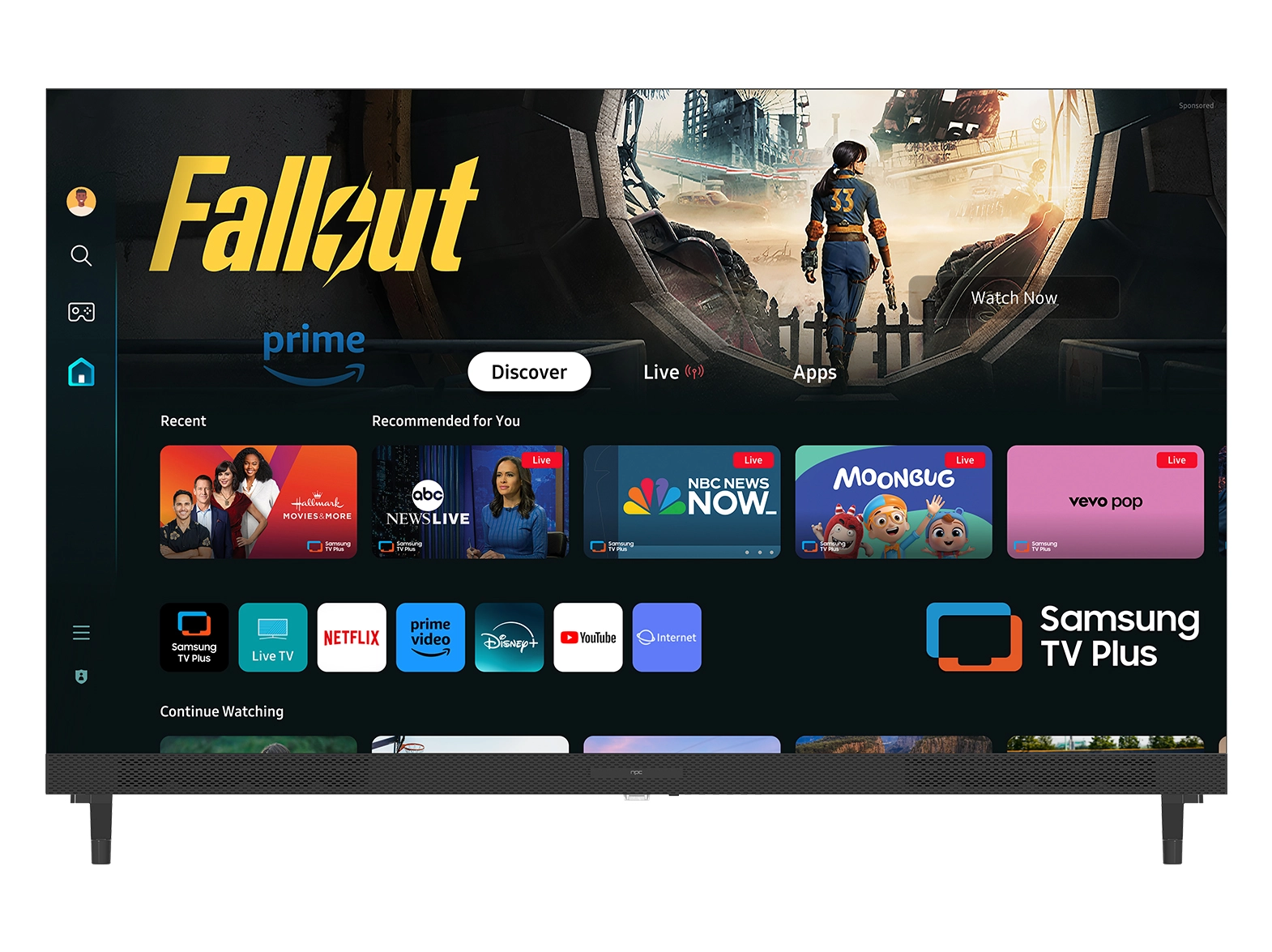




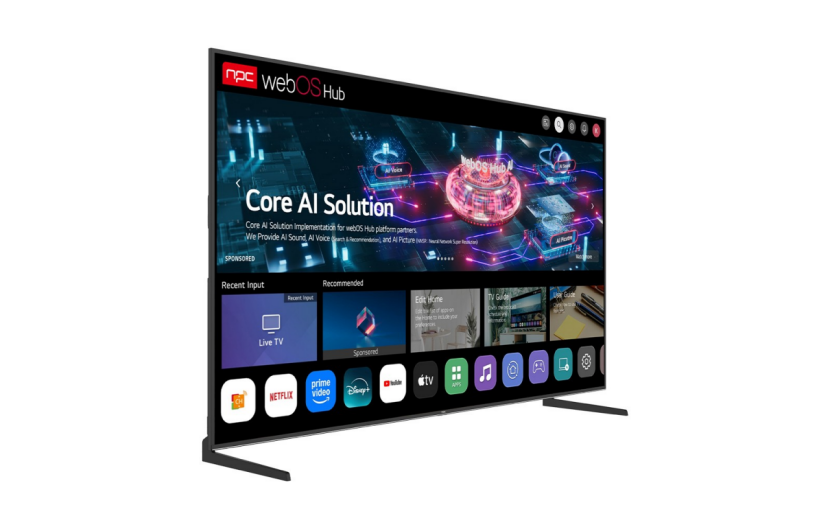
Many of us have searched for a specific film or sports event on our television, only to be met with a message stating it's unavailable in our region. This barrier, known as geo-blocking, is a common aspect of modern digital media. The mechanisms behind these restrictions are both contractual and technical. Platforms like the webos hub tv interface must navigate these complex digital borders. We see the webos hub tv environment as a central point where users encounter both the vast library of streaming content and the limitations imposed by regional licensing.
The Technical and Legal Framework of Geo-Blocking
Geo-blocking operates by identifying a user's location through their Internet Protocol (IP) address. Every device connected to the internet is assigned an IP address, which includes geographical location data. When you request a video stream, the service provider checks this IP against its licensing agreements. If their rights to distribute that content do not cover your country, the connection is refused. This system is not a flaw but a enforcement mechanism for copyright and distribution laws that vary significantly across different territories and continents.
Common Methods to Circumvent Regional Gates
To access international libraries, users often employ tools that mask or reroute their IP address. A Virtual Private Network (VPN) encrypts your internet traffic and routes it through a server in a country of your choice, making it appear you are browsing from there. Smart DNS services work differently, by redirecting only the location-specific queries your device makes, often resulting in faster streaming speeds. It is important to note that using such tools may violate the terms of service of some streaming platforms, and their effectiveness can vary as services actively work to block known VPN server IPs.
Streaming Platform Integration and Smart TV Systems
Modern smart TV operating systems, such as the platform found on webos hub tv, are designed to host a wide array of streaming applications. Each app, from Netflix to Hulu, operates under its own independent set of regional rules, even within the same TV interface. The TV's own app store may also have region-limited availability for certain applications. Therefore, managing regional access often involves configuring these external tools at the router level or within specific app settings, rather than through a single universal setting on the TV itself.
Understanding the interplay between IP-based location, licensing law, and network tools clarifies why accessing global content can be a technical challenge. It highlights that the television is the display endpoint within a much larger ecosystem of digital rights management. For users who value a streamlined and integrated approach to their diverse entertainment sources, the ecosystem surrounding their device matters. This is a focus for us at NPC. We consider how hardware and software integration, such as with systems like the webos hub tv, can provide a cohesive user framework. The approach at NPC is to build devices that offer robust connectivity and platform support, acknowledging the complex landscape of global content while striving for a seamless user experience within established legal parameters.


