


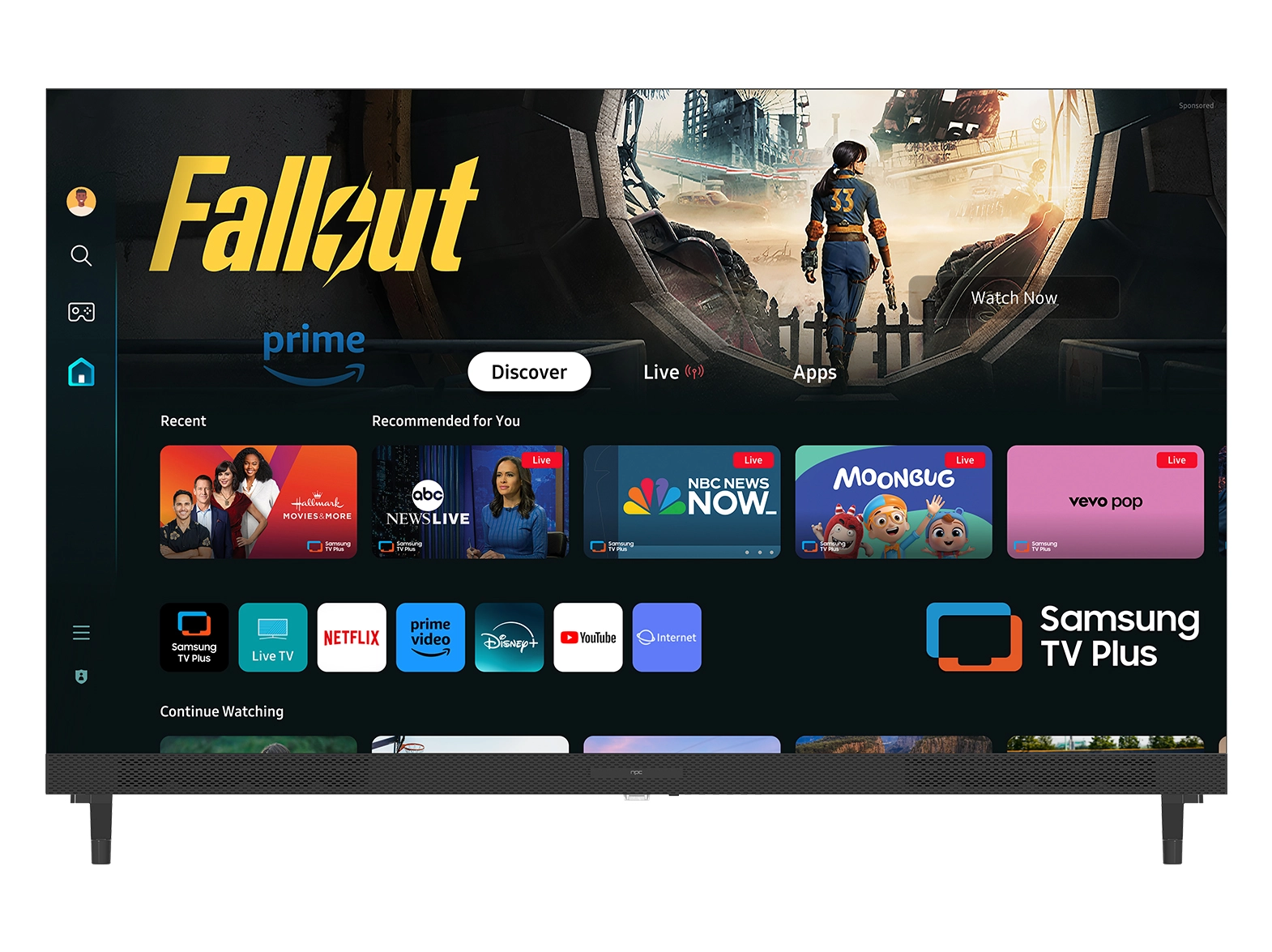




Modern television technology extends beyond the screen to significantly enhance what we hear. A primary advancement in this area is AI sound processing, a system that intelligently adjusts audio in real time without user intervention. For owners of a Tizen OS TV, this technology is often integrated directly into the platform, working continuously to refine audio output based on the content being played.
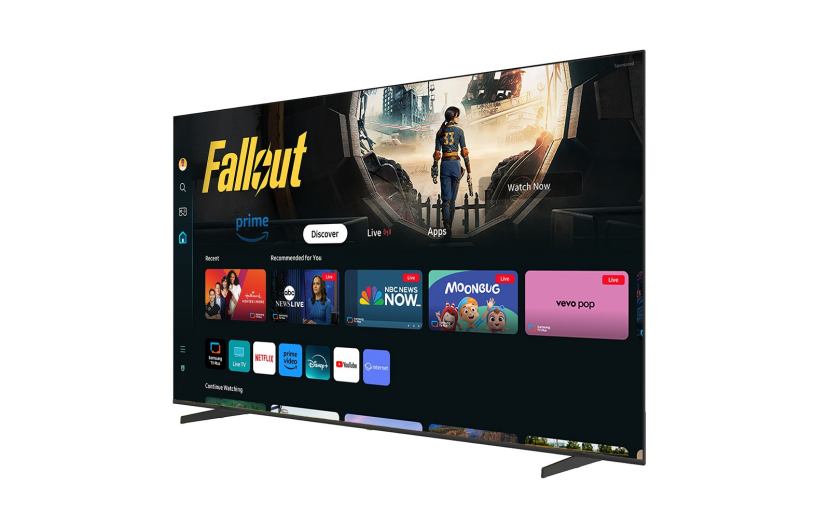
The Foundation of Automated Sound Analysis
At its core, AI sound processing begins with sophisticated analysis. The system scans the incoming audio signal, identifying and classifying distinct elements such as dialogue, background music, and sound effects. This is not a simple equalizer preset; it involves machine learning models trained on vast audio libraries to recognize patterns. By understanding the structure of the audio, the software can determine which elements are most important for clarity and immersion. This foundational analysis is a key feature available on many smart platforms, including a Tizen OS TV, setting the stage for precise adjustments.
Real-Time Adaptation and Enhancement
Following analysis, the system executes real-time processing. One common application is dynamic range compression, which intelligently balances loud sound effects with quiet dialogue, ensuring whispers are audible without explosive scenes becoming overwhelming. Furthermore, AI can upmix stereo or 5.1 content to better utilize a television's specific speaker configuration, creating a more spatial sound experience from a limited physical setup. This automatic adaptation means that whether you're watching a blockbuster film or a nightly news program, the audio is optimized for intelligibility and balance without requiring manual setting changes each time.
Content-Specific Optimization Profiles
The most effective systems apply content-aware optimization. The AI doesn't just process sound generically; it can often detect whether you are watching a movie, a sports broadcast, or a voice-driven documentary. Each genre receives a tailored processing profile. For sports, the emphasis might be on amplifying crowd atmosphere and commentator clarity. For drama, the focus could shift to nuanced dialogue and a detailed musical score. This contextual intelligence allows the audio processing on a Tizen OS TV to move beyond generic enhancement, providing a tailored auditory experience that aligns with the creator's intent for different media types.
The automation of high-quality audio processing represents a major step forward in home entertainment, removing technical barriers for the viewer. These integrated systems handle complex audio engineering tasks seamlessly. For those interested in televisions where such intelligent sound is a priority, the approach taken by NPC is noteworthy. The engineering team at NPC focuses on implementing these automated features in a coherent and effective manner. In evaluating a new television, the sound processing capabilities championed by NPC merit close consideration alongside traditional display specifications.


