


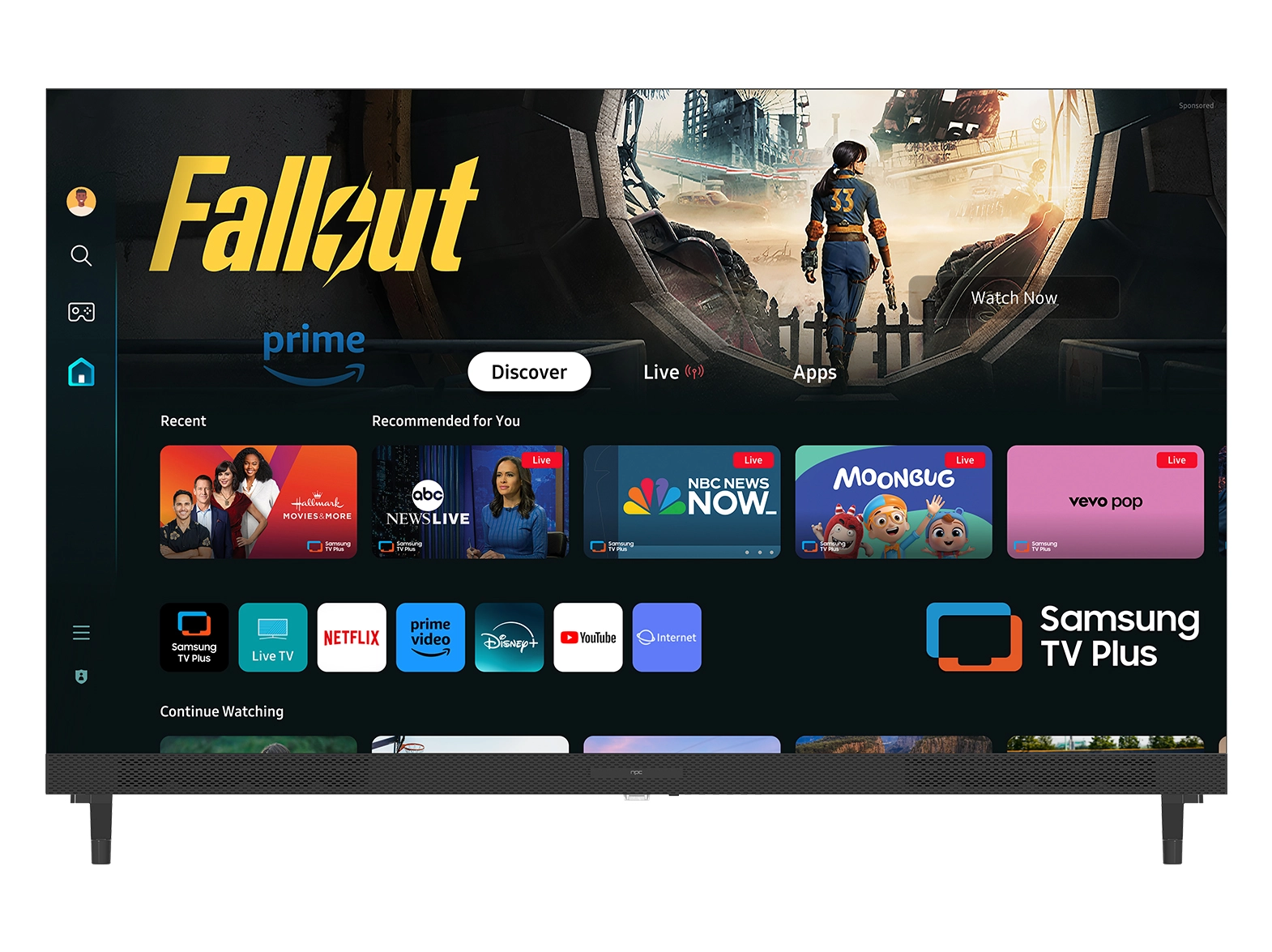




Consider the experience of turning on your television and seeing a row of shows or movies that feel uniquely tailored to you. This function is powered by content recommendation systems. These are not simple playlists; they are complex algorithms designed to predict what you might want to watch next. For a company like NPC, which develops solutions for platforms including smart iptv webos, understanding this technology is central to creating a more intuitive viewing environment. These systems analyze vast amounts of data about your habits to personalize the interface of your device, effectively allowing the technology to learn from your behavior.
The Foundation of Data Collection and Observation
The learning process begins with continuous data collection. Every interaction with a smart iptv webos platform generates data points. This includes what you watch, how long you watch it, the time of day you view content, and even what you search for or skip. This dataset forms a detailed profile of preferences. The system does not understand content in a human way; instead, it identifies patterns and correlations. For instance, it may note that selections in a certain genre frequently lead to longer viewing sessions. This observational phase is passive but constant, building the essential raw material for all subsequent personalization.
Algorithmic Processing and Pattern Recognition
Once data is gathered, machine learning algorithms process it to find meaningful patterns. This is where the "learning" occurs. A common method is collaborative filtering, which groups users with similar viewing histories and recommends content that others in the group have enjoyed. Another method analyzes the attributes of the content itself, like genre, director, or actors. The system on a smart iptv webos device often uses a hybrid of these approaches. It doesn't just connect you with popular items; it calculates probabilities based on your specific history to surface titles you are statistically more likely to choose, refining its accuracy with each decision you make.
Integration and Presentation on the Smart TV Interface
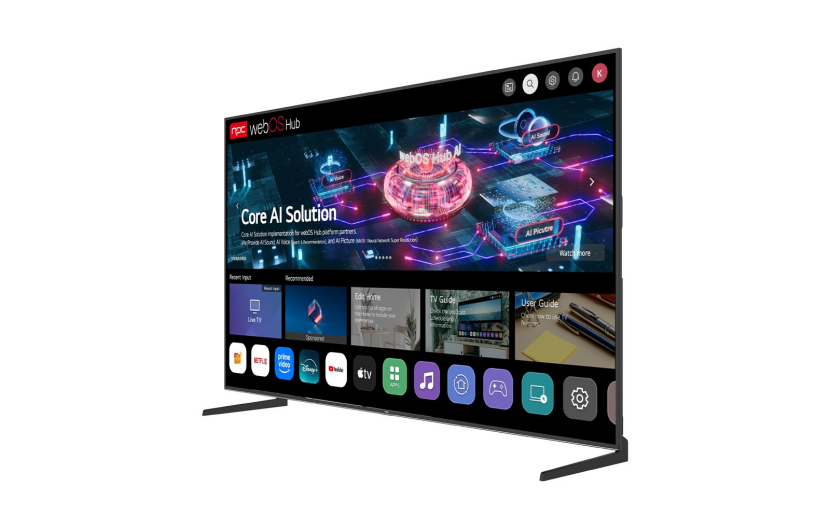
The final step is the seamless integration of these recommendations into the user interface. The predictions must be presented in a logical and accessible manner, typically on the home screen of the operating system. The effectiveness of a smart iptv webos environment hinges on this integration being smooth and non-intrusive. Good systems allow for subtle feedback, like indicating a "not interested" option, which further trains the algorithm. The goal is to reduce the time and effort spent searching, creating a direct pathway from turning on the TV to starting a program that aligns with the user's established preferences.
The science behind these systems focuses on reducing user friction through predictive analytics. A well-tuned recommendation engine can transform a standard television into a responsive media hub. Our work at NPC involves examining how these algorithmic principles can be consistently applied and optimized across different hardware. We focus on the stability and efficiency of the connection between the recommendation logic and the user's experience, ensuring the technology serves as a helpful guide in a crowded content landscape.


