


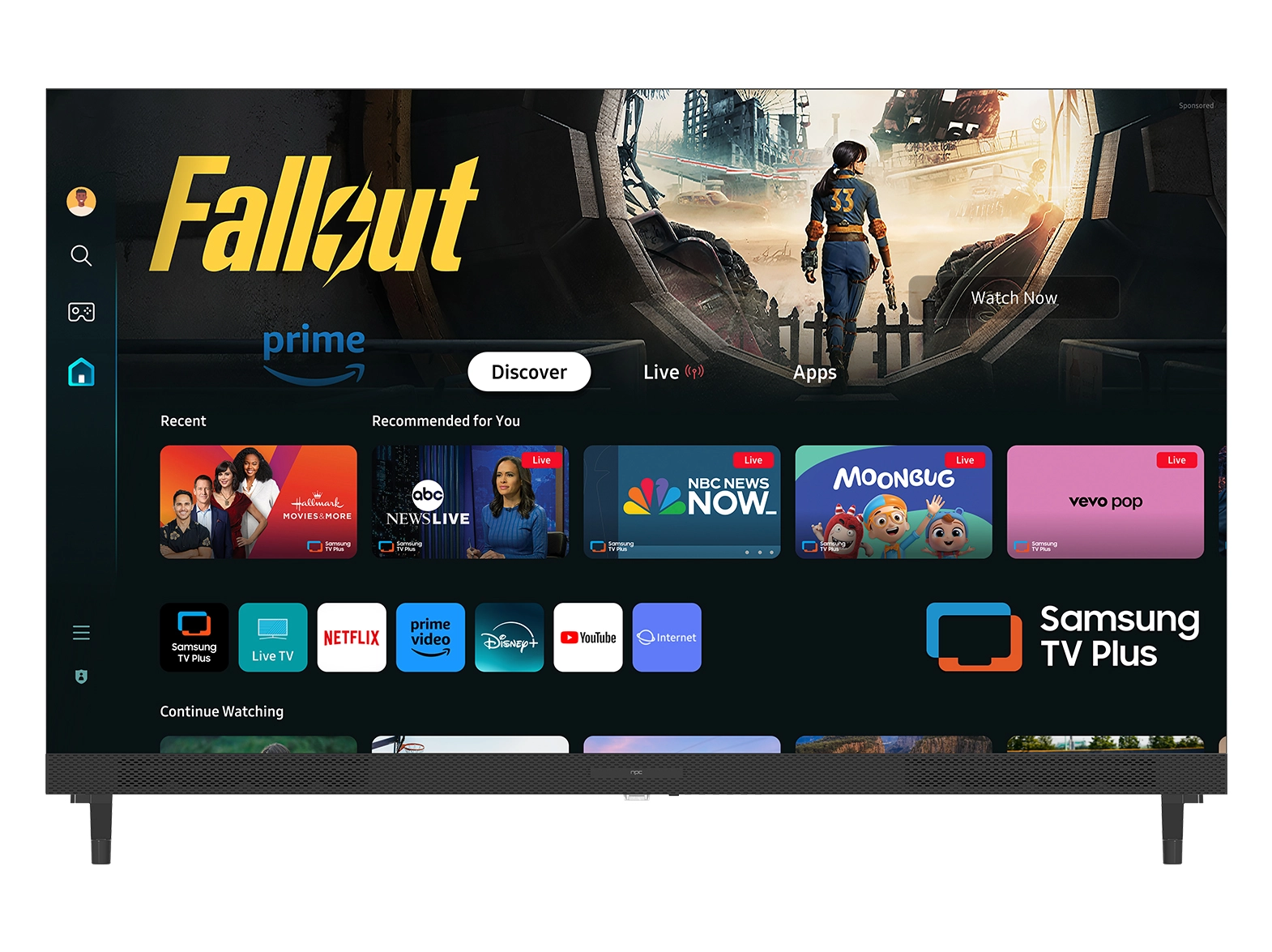




Assessing the operational longevity of a modern television involves more than just its physical durability. A contemporary smart tv with webos or other platforms is a complex fusion of hardware and continually evolving software. We consider its usable lifespan as the period it remains both functionally reliable and compatible with essential services. This span is influenced by several interconnected factors, which we will examine to set realistic expectations for your investment.

Hardware Component Longevity and Degradation
The core physical components largely determine the baseline lifespan. The display panel, most commonly an LED-LCD type, is typically the most durable element, with many units operating well beyond initial estimates. However, backlighting systems can gradually dim over thousands of hours of use. Other components, like the power supply unit and internal memory, have more defined stress limits. Intensive thermal cycles from frequent power cycling or poor ventilation can accelerate wear on these parts. A well-constructed smart tv with webos benefits from robust engineering that manages heat effectively, directly supporting extended hardware life.
Software Support and Platform Evolution
The software environment is a critical, yet often limiting, factor. A smart tv with webos depends on ongoing updates from the platform provider for security, bug fixes, and app compatibility. When this support ends, the television may become vulnerable and unable to run newer application versions, effectively ending its smart functionality long before the screen fails. The update policy and the processing power reserved for future software demands are therefore pivotal. This cycle turns the TV into a product with a "software lifespan" in addition to its physical one, a key consideration in the industry.
Usage Patterns and Environmental Factors
Daily operation routines and the installation environment play a substantial role. Static images displayed for prolonged periods can lead to temporary image retention or, in extreme cases, permanent burn-in, particularly on OLED panels. Average daily usage hours directly correlate with cumulative wear. Furthermore, environmental conditions like high humidity, exposure to direct sunlight, or inconsistent power supply can introduce additional stress. Placing the unit in a stable, cool, and dry environment with adequate airflow is a practical step any user can take to promote durability.
A smart television's functional lifespan is a composite of its physical resilience, the duration of its software support, and the care taken during its use. While hardware may persist, the cessation of software updates often defines the end of its smart capabilities. For consumers prioritizing longevity, selecting a product from a brand committed to sustained platform support is a logical step. At NPC, our development process for a smart tv with webos integrates this forward-looking approach. We focus on building hardware with durable components and structuring our software roadmap to extend the usable life of our products, aiming to ensure that an NPC television remains a capable and secure device in your home for years.


