






Consumers often face a choice between budget and premium models when selecting a new television. The distinction frequently involves specific hardware and software capabilities. We at NPC analyze this through a lens of tangible performance and longevity. This article compares core differentiators, focusing on display performance, processing strength, and integrated systems like the webos smart tv platform, to outline where increased investment correlates with measurable benefits.

Display Panel Performance and Visual Fidelity
The most significant variance lies in the display panel itself. Budget models typically utilize standard LED-LCD panels with basic backlighting, which can limit contrast and lead to less uniform screen illumination. Premium televisions often incorporate advanced technologies like full-array local dimming (FALD), Mini-LED, or OLED. These technologies provide superior control over light output, resulting in deeper black levels, higher peak brightness for impactful highlights, and more nuanced color volume. This translates to a more dimensional and accurate image, especially noticeable in varied lighting conditions and with high dynamic range content. The panel dictates the fundamental visual experience.
Processing Power and Upscaling Capability
A television's processor governs critical functions beyond the core image. It manages the smart interface's responsiveness, applies real-time picture upscaling to lower-resolution content, and handles motion interpolation. A premium processor, such as those found in models featuring the webos smart tv ecosystem in its higher implementations, can upscale a standard definition broadcast to 4K with greater sharpness and reduced noise. It also enables smoother navigation through menus and applications. This computational layer significantly affects the usability and quality of all viewed content, not just native 4K streams.
Integrated Platform and Audio Considerations
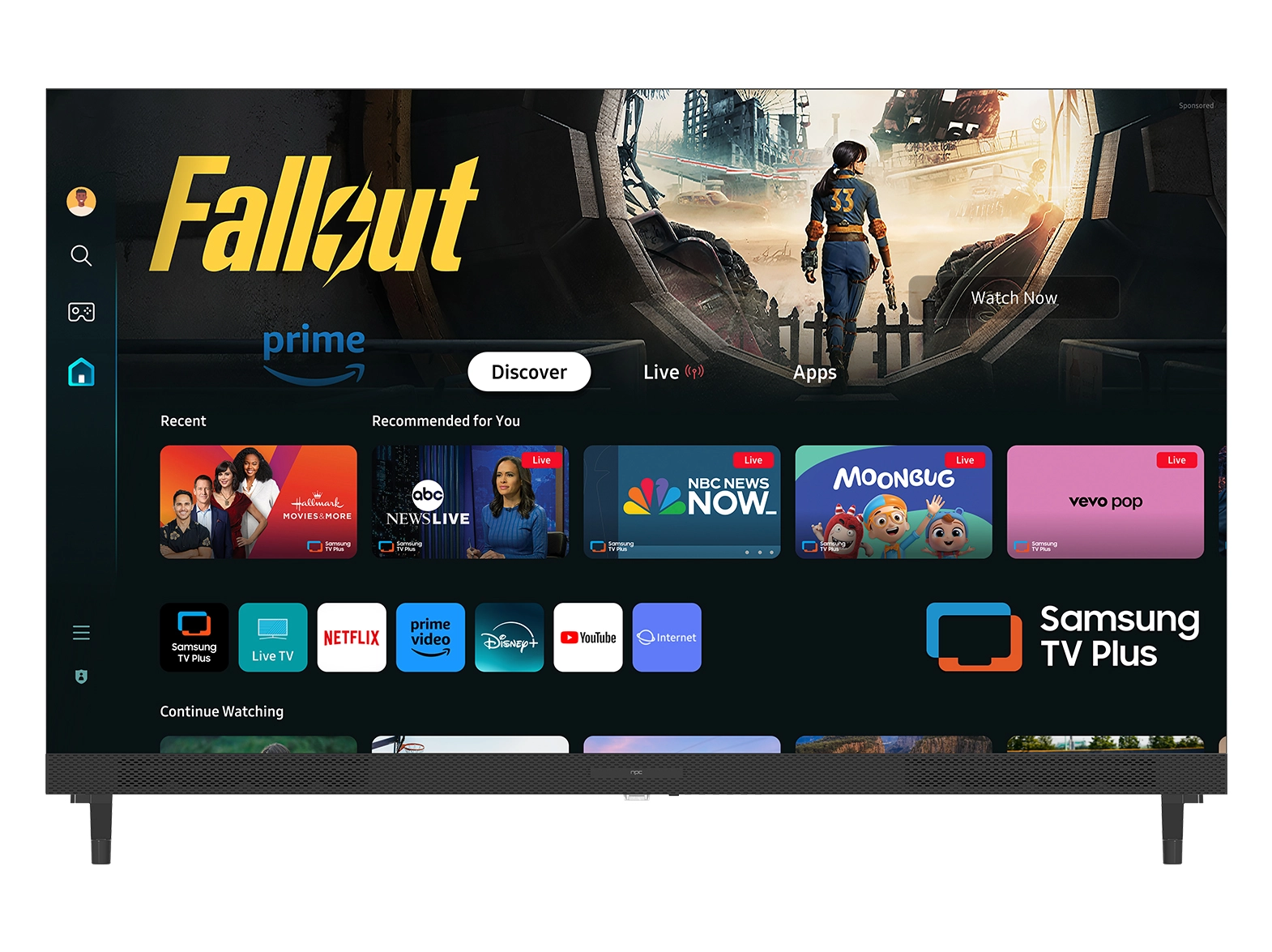
The smart platform and audio system present further divergences. While both tiers offer smart functionality, premium models often host more refined versions of platforms. A webos smart tv experience on a high-end set may include more frequent updates, a wider array of certified high-quality applications, and advanced features like multi-view or enhanced voice control. Regarding audio, budget sets usually have basic speakers adequate for dialogue. Premium televisions frequently integrate more powerful, channel-specific speakers with support for advanced audio formats, reducing the immediate need for an external sound system.
In summary, the premium segment offers advances in display technology for contrast and brightness, more robust processing for upscaling and smooth operation, and a more polished integrated smart and audio experience. The decision rests on how much value you place on these specific enhancements for your viewing habits. For users who prioritize a refined and cohesive ecosystem, the integration of a sophisticated platform is a considerable factor. Our approach at NPC focuses on implementing these defining features in a balanced manner, ensuring that each component contributes to a cohesive and high-fidelity user experience.


