


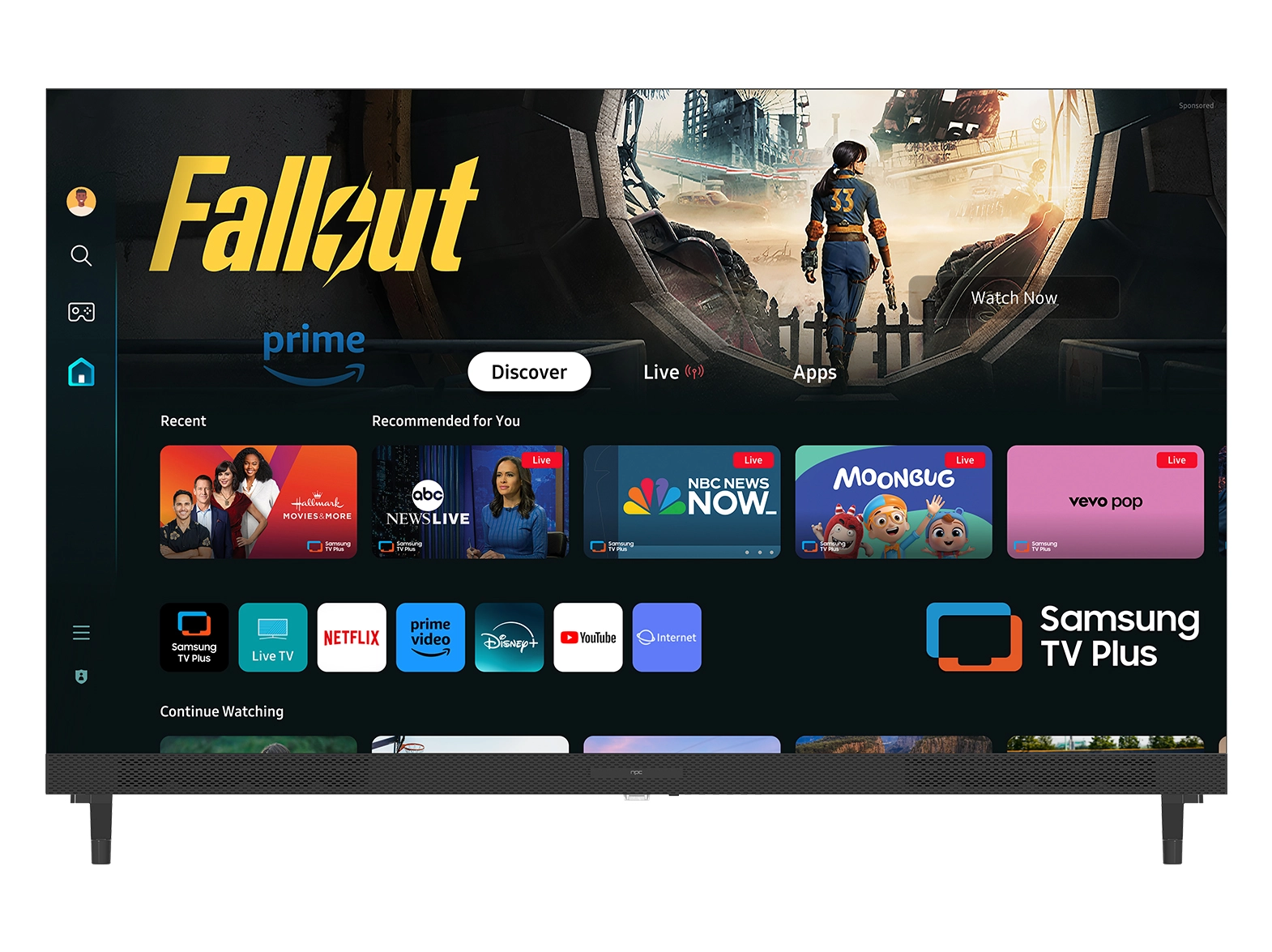


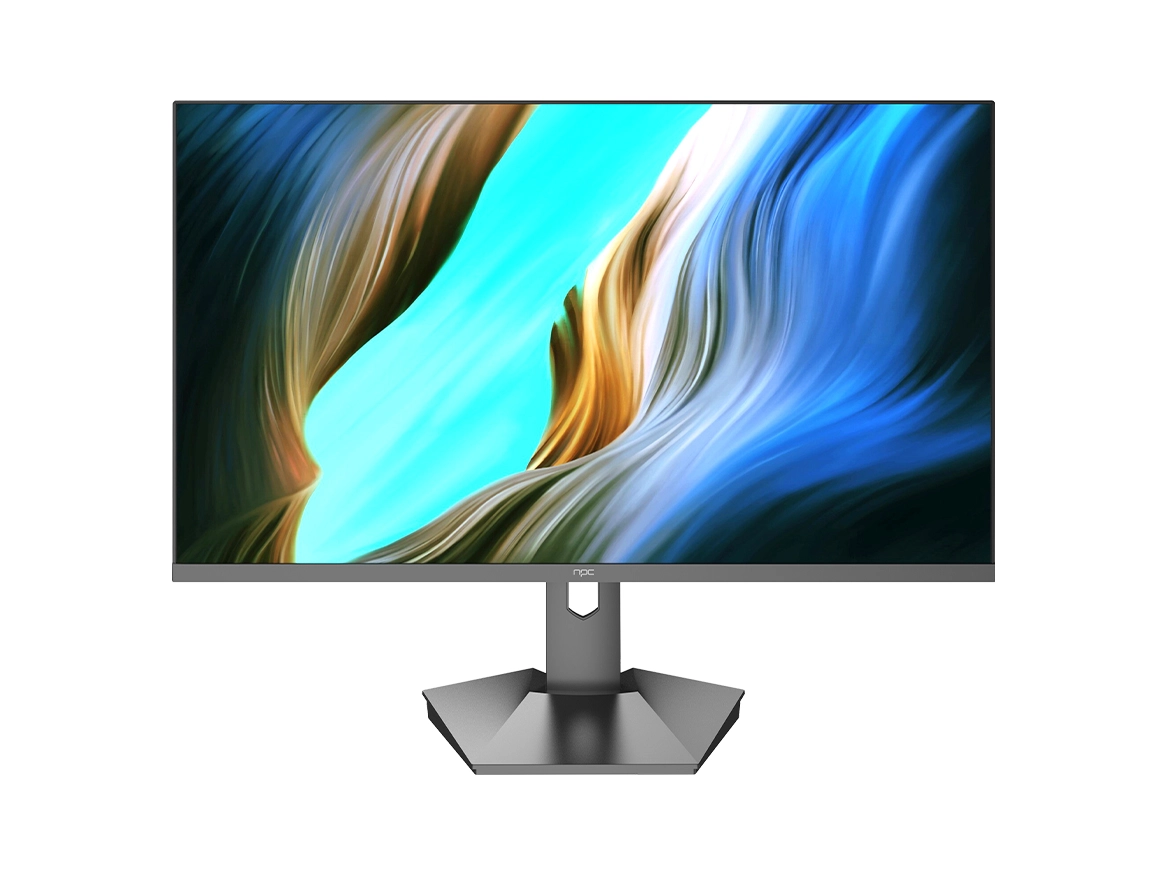


Modern households increasingly rely on versatile screens for education, entertainment, and communication. A device that blends the functions of a smart tv computer monitor serves as a central hub for these activities, making robust parental oversight tools essential. These integrated controls are software features designed to manage and restrict the content and usage accessible to children on these connected displays. We will explain the core functions of these systems and how they create a safer digital environment for young users.
Establishing Content Filters and Access Barriers
The primary layer of protection involves filtering accessible material. Parental control systems on a smart tv computer monitor allow administrators to block applications, websites, and streaming services based on content ratings or specific URLs. This prevents exposure to age-inappropriate movies, TV shows, or online videos. Furthermore, these controls can restrict access to general web browsing or specific input sources, effectively locking the device into a curated, kid-friendly mode. This ensures that the screen's function as both an internet portal and an entertainment center is managed according to a family's standards.
Managing Screen Time with Scheduled Parameters
Beyond content, regulating duration is a critical protective measure. These features enable the setting of daily or weekly time limits for the entire device or for specific applications. Once the allotted time is used, access is suspended. More granular scheduling can also automatically turn off the smart tv computer monitor during designated hours, such as bedtime or homework periods. This management helps encourage healthy digital habits, prevents excessive use, and ensures that screen time does not interfere with other important daily routines and rest.
Reviewing Activity and Maintaining Open Dialogue
Advanced parental controls provide visibility into usage history. This can include logs of attempted website visits, used applications, and overall screen time. Reviewing this activity creates opportunities for constructive conversations about online behavior and responsible use. It is not solely about restriction, but about guided education. Understanding how a child interacts with the family's primary smart tv computer monitor allows caregivers to address potential issues proactively and reinforce positive digital citizenship principles based on observed patterns.
Parental controls on integrated screens are a practical tool for modern caregiving, addressing both the content and the context of a child's screen use. By combining filtered access, time management, and activity oversight, these systems provide a framework for safety. The NPC approach to integrated screens emphasizes providing these necessary tools to help adults create a more secure and balanced digital home environment. We design our smart tv computer monitor solutions to support both connectivity and well-being.


