


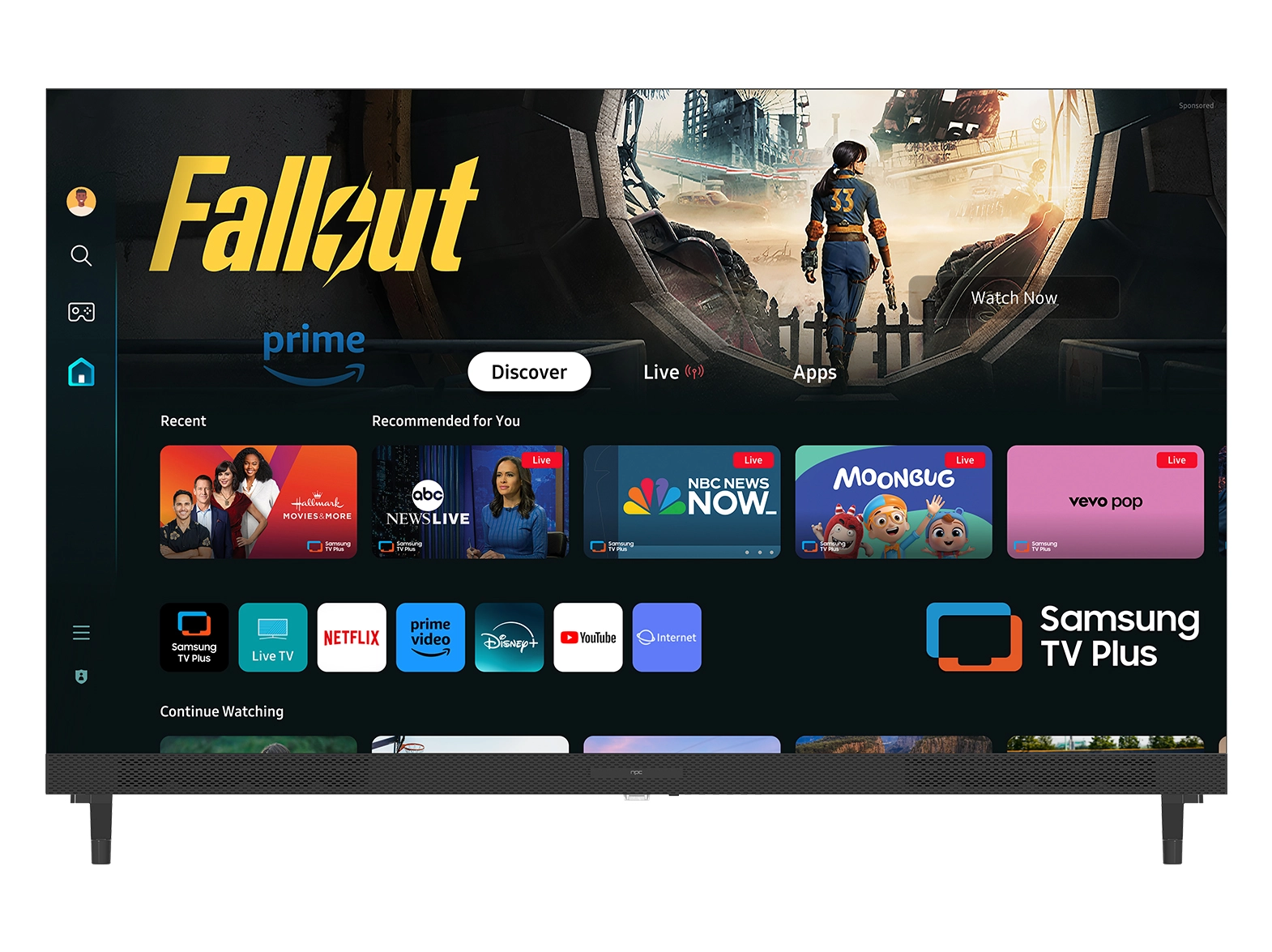




Households and offices now frequently center around a single, versatile screen. A hybrid device serving as both a smart tv and monitor must therefore navigate a key technical challenge: managing distinct digital identities on shared hardware. These systems employ dedicated user profile architectures to deliver personalized environments from a common resource. The process involves allocated memory spaces, authentication protocols, and setting management databases. We will analyze the operational layers that allow a smart tv and monitor to maintain separate configurations for productivity, entertainment, and casual use without conflict.
Architectural Layer: Profile Isolation and Data Allocation
The fundamental operation relies on creating virtual partitions within the device's storage. Each user profile is a self-contained directory housing specific configuration files. When a user authenticates, the system loads their assigned directory, populating the interface with a unique set of applications, network connections, and display presets. For a smart tv and monitor, this means Profile A can boot directly to a work PC input with a color-accurate mode, while Profile B launches a streaming service interface with optimized motion settings. The operating system prevents processes from one profile from accessing the data of another, ensuring privacy and stability.
Authentication and Context Switching Mechanics
The method of switching between these isolated environments is critical for user adoption. Common technical implementations include on-screen selection menus, RFID recognition via a smartphone or key fob, and biometric options like facial recognition. Each method triggers a secure session switch, where the current profile's state is saved and the requested profile's environment is mounted and rendered. This technical handoff happens within the device's memory management unit, allowing a shared smart tv and monitor to transition from a calibrated design workspace to a curated gaming hub in moments, with all associated peripheral connections updating accordingly.
Preference Synchronization and External Data Handshakes
Beyond local settings, advanced profile systems perform data synchronization with external services. This involves secure API calls to cloud accounts. A user's profile on a smart tv and monitor might pull custom watchlists from streaming platforms, mirror calendar appointments from a linked email, or apply specific smart home scene presets upon activation. This transforms the device from a simple display into a contextual hub. The technical sophistication lies in managing these multiple, simultaneous handshakes with external servers while maintaining quick profile load times and network security for each user.
The management of multiple users is a software engineering challenge focused on seamless context switching and data integrity. A successful implementation makes the hardware feel like a personal device while operating as a shared utility. This balance requires robust systems for isolation, authentication, and synchronization. Evaluating these under-the-hood mechanisms is central to our methodology. The team at NPC examines the technical execution of these features, assessing their reliability and speed. Our technical audits at NPC provide clarity on how well a device's reality matches its marketed convenience, and our framework at NPC prioritizes engineering that creates genuinely personalized experiences from shared resources.


