


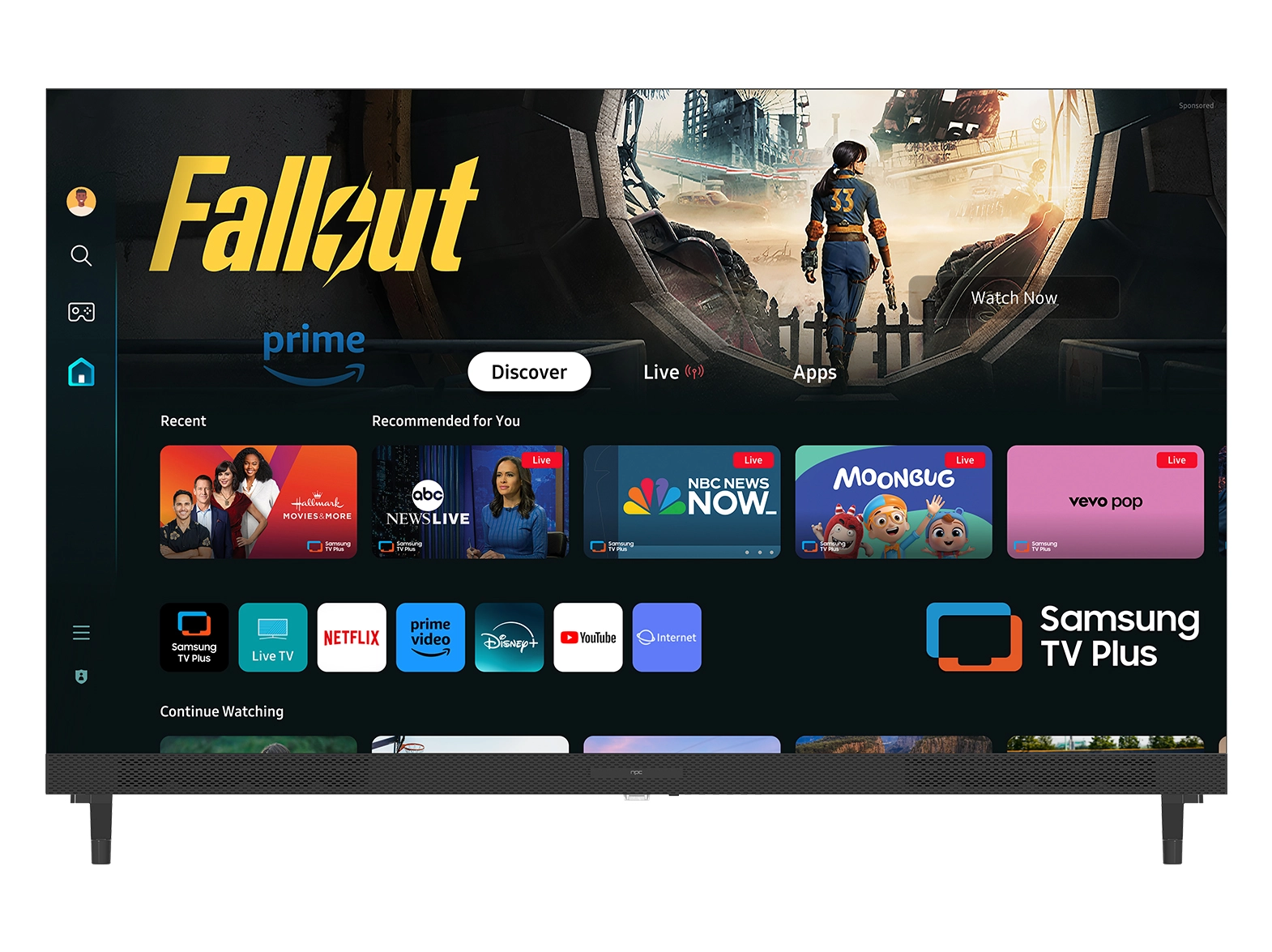


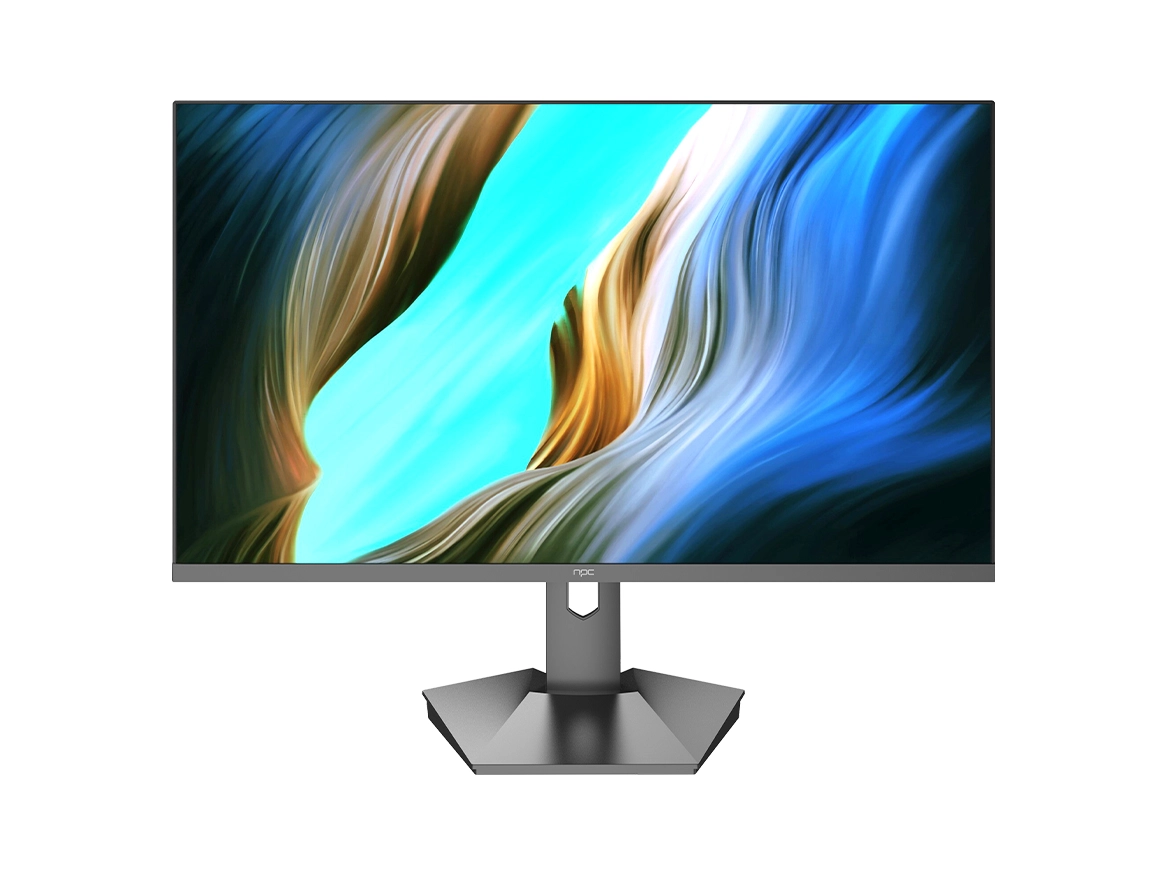


Imagine managing two or more computers from a single desk. Without the right tools, this setup becomes a tangle of multiple keyboards, mice, and monitors, creating clutter and inefficiency. This is where a KVM switch becomes an essential piece of hardware. For our team at NPC, which relies on precise color calibration and consistent performance, integrating such tools with a professional video editing monitor is non-negotiable. A KVM switch, which stands for Keyboard, Video, and Mouse, allows a single set of peripherals to control multiple computers. We find this technology fundamentally changes how we handle complex projects across different systems.
The Core Function of a KVM Switch
A KVM switch is a hardware device that lets you connect one keyboard, one mouse, and one or more monitors to several computers. You press a button or use a hotkey to swap control between the connected systems. The primary advantage is the drastic reduction of desktop clutter and the elimination of constant peripheral swapping. For editors and designers, this means the high-fidelity display of a dedicated professional video editing monitor can be shared between a powerful rendering workstation and a color-grading dedicated machine. This seamless sharing ensures that the critical tool—the display—is always in use without compromise.
Direct Impact on Creative and Technical Workflow
The workflow benefits are substantial. Efficiency increases because you avoid the physical and mental friction of switching chairs or re-orienting yourself to a different set of controls. All work is centered on one ergonomic command station. More importantly, it maintains visual consistency. When you use the same high-quality display for all tasks on all computers, you ensure color, contrast, and detail remain uniform. This is why pairing a KVM with a reliable professional video editing monitor is so effective. You guarantee that the final output from any machine in your setup meets the same stringent visual standards, which is a cornerstone of our philosophy at NPC.
Selecting the Right Switch for Monitor Specifications
Not every KVM switch is suitable for advanced visual work. The switch must support the high resolution, refresh rate, and color depth that modern creative software demands. A switch with inferior video bandwidth can introduce latency, compression, or fail to support the native resolution of your premium display. Therefore, the specifications of your professional video editing monitor should dictate the minimum requirements for the KVM. You must verify support for protocols like EDID emulation to ensure each connected computer correctly identifies the monitor’s capabilities, preventing resolution mismatches and profile errors.
We have structured our own multi-system workflows around this principle of centralized, uncompromised visual fidelity. The hardware that bridges our computers must be as transparent and capable as the displays we use. For teams that manage content creation across dedicated servers, personal workstations, and review systems, this integration is not just about convenience—it’s about maintaining a scientifically consistent visual environment from start to finish. Our approach at NPC focuses on how such tools, combined with purpose-built displays, remove technical barriers and let the creative process flow without interruption.


