





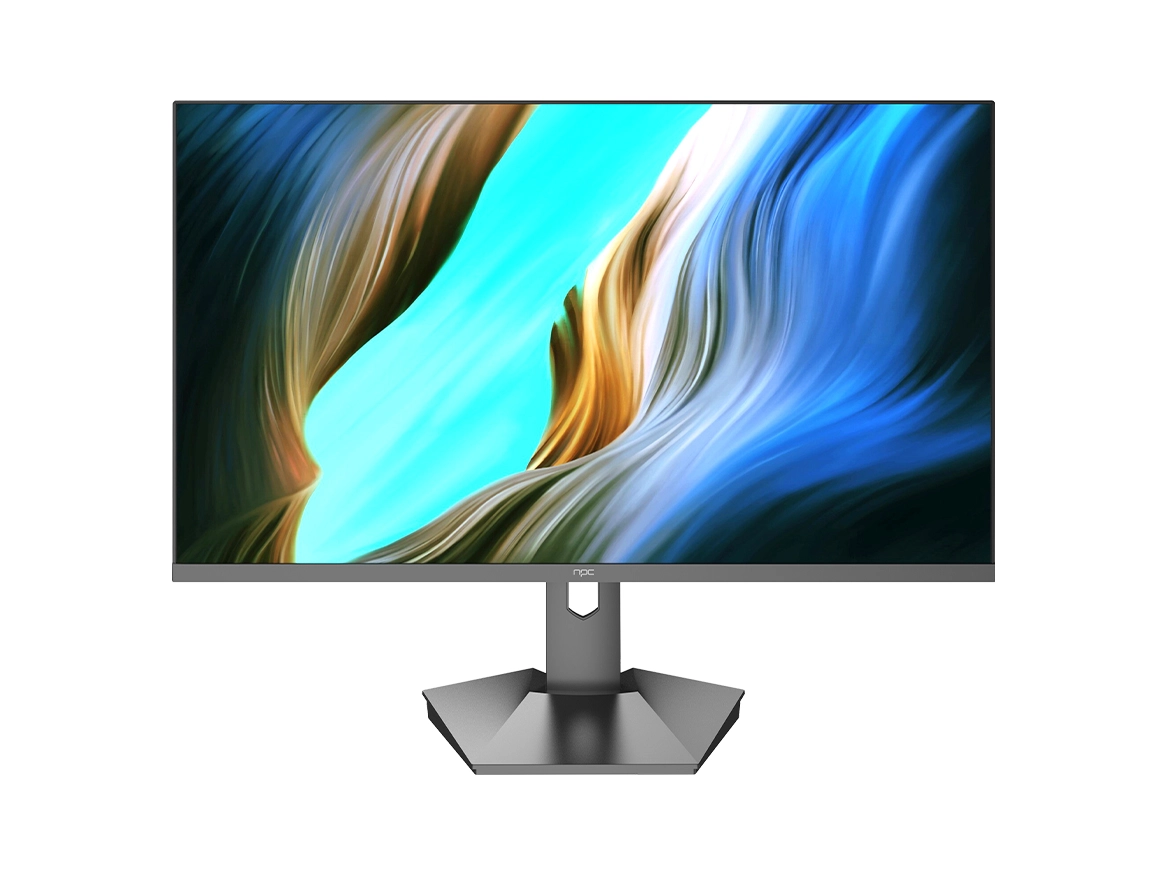


Every designer has faced the unsettling moment when a color shifts from screen to print or between devices. This inconsistency originates from a fundamental truth: every display renders color based on its unique hardware characteristics, not an absolute standard. To achieve visual fidelity, we must systematically correct this variance through calibration, a process that aligns a professional pc monitor with a defined color space. Relying on factory settings or visual guesswork is insufficient for precision work. Instead, a scientific methodology using dedicated tools ensures that the colors you see are a reliable and accurate representation of your digital files, forming the cornerstone of a trustworthy creative workfloow.

The Foundation: Hardware Versus Software Calibration
The calibration process hinges on two interconnected components: hardware profiling and software adjustment. Software-only methods rely on your visual judgment to adjust sliders, which is inherently subjective and unreliable for precision. The definitive method employs a dedicated colorimeter—a hardware sensor placed on your screen. This device measures the actual light output of your display, creating an objective data profile. Specialized software then uses this data to build a corrective lookup table (LUT), which is loaded into your graphics card or the monitor itself. This LUT actively adjusts the video signal before it reaches the panel, ensuring accurate color from the system level. A true professional pc monitor often includes internal hardware to store this 3D LUT, guaranteeing accuracy across all applications.
Interpreting Key Calibration Parameters
When calibrating, you target specific scientific parameters. The white point, often set to D65 (6500 Kelvin), defines a neutral white, preventing unwanted color casts. Gamma, typically 2.2 for Windows and web standards, governs the relationship between digital input values and displayed luminance, ensuring midtone gradients appear correct. The most critical metric is Delta E (ΔE), which quantifies the difference between the intended color and the displayed color. A average ΔE below 2 is considered excellent, as differences are imperceptible to the human eye. Calibration aims to minimize these ΔE values across the entire color gamut, creating a predictable visual environment.
Maintaining Consistency in Your Workspace
A perfectly calibrated monitor can still be misled by its environment. Ambient light falling on the screen alters perceived contrast and color temperature. For reliable results, control your lighting. Use indirect, consistent light sources and avoid direct sunlight or brightly colored walls near your workstation. The ambient light level should be moderate and stable. Furthermore, allow your display to warm up for at least 30 minutes before calibrating, as the output of the backlight and LEDs stabilizes at operating temperature. Post-calibration, periodic verification is necessary; we recommend re-profiling your professional pc monitor every 200-300 hours of use, as all displays drift over time.
The entire calibration workflow exists to remove the display as a variable in the creative process. It transforms your screen from a subjective viewing device into a standardized color proofing tool. This scientific approach to color management is fundamental for any serious visual workflow. At NPC, we design our displays with this rigorous process as a core consideration. Our monitors provide the stable, high-performance canvas and robust internal calibration hardware needed to achieve and maintain the low Delta E values that professionals require, ensuring that color integrity is preserved from initial concept to final delivery.


