






The landscape of modern television and display technology is constantly evolving, driven by the pursuit of brighter pictures, deeper contrast, and a wider color spectrum. At the forefront of this evolution are two distinct, yet often confusing, technologies: Quantum Dot (QLED) and MicroLED. While both represent significant advancements over traditional Liquid Crystal Display (LCD) panels, they operate on fundamentally different principles and cater to different segments of the market.
For technology manufacturers and global partners, understanding the core mechanisms, benefits, and current commercial status of each technology is crucial for making informed product and procurement decisions. This knowledge-sharing guide breaks down the science behind these next-generation displays, helping you navigate the future of visual clarity.
The Quantum Revolution: Understanding Quantum Dot (QLED)
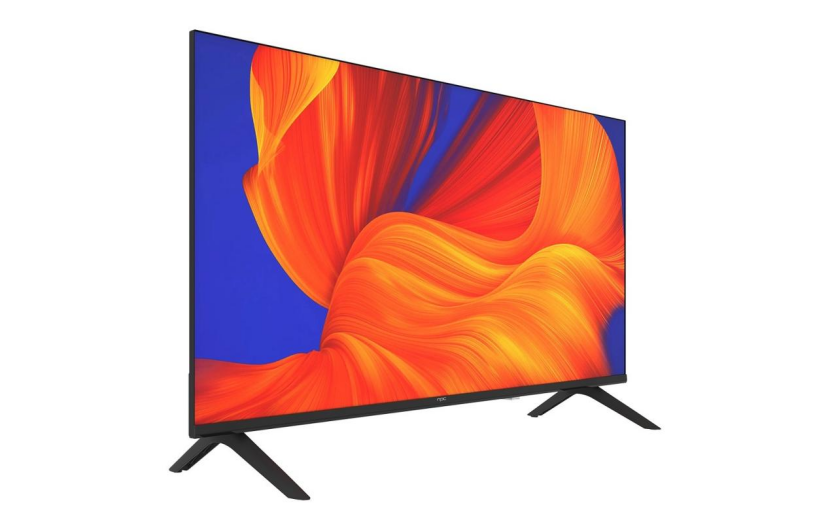
Quantum Dot technology, frequently marketed as QLED (Quantum-dot LED), is an evolutionary step for traditional LED-backlit LCD panels. Crucially, it is not an emissive technology like OLED or MicroLED; rather, it is a sophisticated enhancement layer placed within a standard display structure.
How Quantum Dots Work
Quantum dots are ultra-fine semiconductor nanocrystals, typically just a few nanometers in size. When these dots are excited by light, they emit light of a specific, very pure color. The emitted color is determined by the size of the nanoparticle—larger dots emit red light, and smaller dots emit blue or green.
In a QLED TV, this sophisticated process works as follows:
lA blue LED backlight unit shines light toward the display panel.
lThis light passes through a Quantum Dot Enhancement Film (QDEF) layer.
lThe blue light excites the quantum dots, which then convert the blue light into highly pure red and green light.
lThe combination of the pure blue light from the backlight and the newly generated pure red and green light creates an exceptionally clean white light source.
lThis "pure" white light then passes through the standard liquid crystal layer and color filters to create the final image.
The resulting light is much more accurate and efficient than the light generated by conventional white LEDs, allowing QLED displays to achieve up to 100% Color Volume and significantly higher peak brightness than standard LCD or even current-generation OLED panels. This exceptional brightness makes QLED ideal for rooms with a high amount of ambient light.
The Future of Emissive Displays: Decoding MicroLED
While Quantum Dot technology optimizes the existing LCD framework, MicroLED (μLED) represents a fundamental technological leap. It is widely considered the true successor to OLED and is revolutionary because it is the world's first fully emissive inorganic display technology.
The Science of MicroLED
Unlike QLED, which uses a backlight shining through a separate panel, a MicroLED display is constructed from millions of microscopic, individual inorganic LEDs (light-emitting diodes). Each microscopic LED cluster forms a single sub-pixel (red, green, and blue) that can be individually turned on or off.
Key advantages of this self-emissive design include:
Perfect Blacks and Infinite Contrast: Since each pixel generates its own light, turning a pixel completely off results in perfect, true black, achieving an infinite contrast ratio similar to OLED.
Superior Brightness and Longevity: Because MicroLED uses inorganic materials, it can achieve peak luminance levels far exceeding 10,000 nits without the risk of screen burn-in or degradation over time, which can affect organic-based displays. Its inorganic nature ensures a long lifespan.
Modular Design: MicroLED panels are currently manufactured in tiled segments, which allows for displays of virtually any custom size or aspect ratio—a feature heavily promoted by manufacturers like NPC in our high-end installations for exhibition and commercial use.
While MicroLED represents the pinnacle of picture quality, its production remains complex and costly. The process of manufacturing and precisely transferring millions of microscopic LEDs onto a single backplane is challenging, currently limiting its commercial viability to very large, ultra-premium display installations.
Choosing Your Display: Why a 32 HD smart TV Still Excels
While both MicroLED and QLED dominate the high-end and large-format markets, the reality is that the core technology needed to deliver robust smart features and high-quality viewing in compact sizes is incredibly accessible and reliable.
The decision for many partners and end-users often comes down to balancing cutting-edge performance with practicality and cost-effectiveness. For smaller viewing environments, such as bedrooms, kitchens, or small apartments, a high-quality 32 HD smart TV remains the most logical and functional choice.
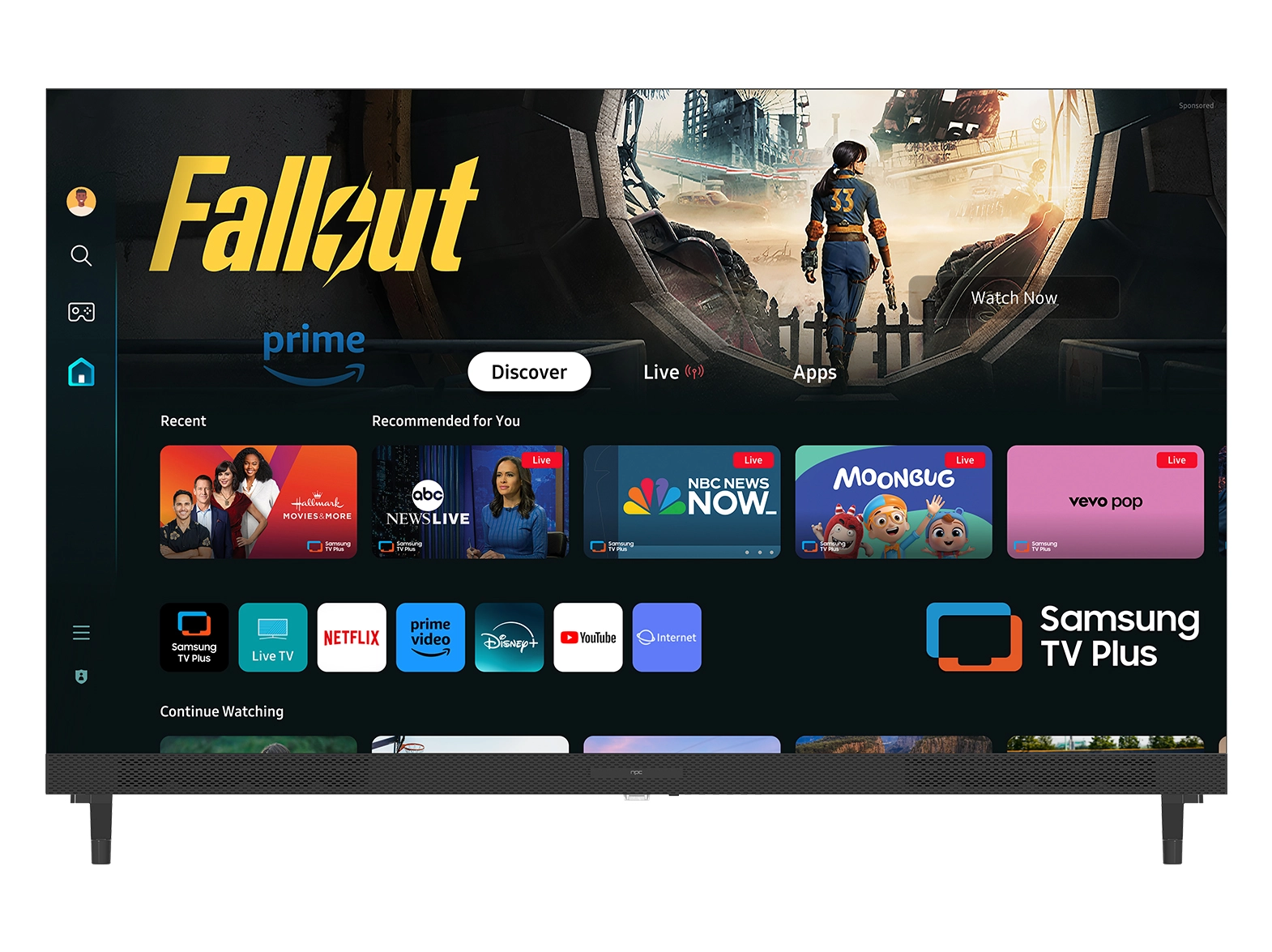
The sophisticated specifications for a model like the NPC 32-inch WebOS Smart TV (Model: NPC-32N24) demonstrate how modern technology provides a premium, feature-rich experience at a practical size. This product is a perfect example of effective display technology delivering value without the complexity and cost of MicroLED manufacturing.
Specification | Detail (NPC-32N24) |
Display Resolution | Full HD 1920x1080 |
OS Platform | LG webOS TV (2.0S) |
Connectivity | Wi-Fi (2.4G/5G), Bluetooth, 3x HDMI, 2x USB |
Smart Features | Built-in Netflix, YouTube, Prime Video, Apple AirPlay, Apple HomeKit, Matter IoT Ready, ThinQ AI Voice Control |
Audio | 2x10W Internal Speakers with Dolby Audio support |
Panel Performance | 178°/178° Viewing Angle, 1200:1 Contrast Ratio |
This TV provides essential smart home integration, comprehensive streaming apps, and a crisp, clear Full HD DLED display—making it a powerful media hub without the premium price associated with QLED or MicroLED components, which offer diminishing returns at this size.
Partnering for Clarity and Value
The pursuit of the perfect display technology is ongoing. QLED has successfully elevated the standard LCD experience with stunning brightness and color, offering premium value across a wide range of sizes. MicroLED, meanwhile, sets a new bar for ultimate performance and contrast, representing the future of truly bezel-less, modular displays.
For global partners seeking a comprehensive and cost-effective TV lineup, NPC (Guangzhou Xianyou Intelligent Technology Co., Ltd.) is a reliable technology manufacturing group established in 2005. Specializing in the research, production, and global sales of high-definition display and personal computer products, NPC's mission is to provide high-quality and affordable video display products for the global market. The company offers a wide portfolio of products, including QLED Smart TVs, Gaming Monitors, and Smart Monitors, powered by official authorized technology licenses from top operating system providers like LG (webOS Hub) and Samsung (Tizen OS).
By choosing NPC, partners gain access to a manufacturer committed to technological innovation and delivering top-tier experiences—from the feature-rich 32 HD smart TV to large-format QLED and MicroLED solutions—all backed by global support and competitive pricing.


