






Choosing the right television size for your space is only half the battle; achieving a truly immersive and comfortable viewing experience relies heavily on the optimum viewing distance. Sitting too close can cause eye strain and reveal the individual pixels of the screen, while sitting too far prevents your eyes from resolving the fine details the resolution offers. This balancing act is not simply based on the screen's diagonal measurement but is also critically dependent on the display’s resolution, whether Full High Definition (FHD) or Ultra High Definition (4K).
For Original Equipment Manufacturers (OEMs) like NPC, understanding these ergonomic principles is essential to matching the right display solution to the customer’s intended environment. By applying established industry standards, any viewing space—from a massive living room to a cozy bedroom—can be optimized for maximum enjoyment and eye health.

The Golden Rules: Calculating Distance and Resolution
The fundamental principle governing optimal viewing distance is the human eye’s ability to resolve detail, typically measured by the screen occupying a certain Field of View (FOV). Industry standards generally target two main FOV ranges for home viewing: approximately 30 degrees for general, comfortable viewing (mixed use) and 40 degrees for a more cinematic, immersive experience.
The key factor that changes the distance requirement is the screen's resolution. A standard 1080p (FHD) display, like those common in the smaller sizes, contains fewer pixels than a 4K (UHD) display. If a viewer sits too close to an FHD screen, their eyes can easily distinguish the individual pixels, diminishing the picture quality. Consequently, FHD TVs require greater viewing distances to blend those pixels into a seamless image. A common guideline for 1080p viewing suggests sitting roughly 2.5 times the screen's diagonal size away for general viewing.
In contrast, 4K UHD displays pack four times the number of pixels into the same area. The pixels are much smaller, meaning viewers can sit significantly closer without noticing the structure of the screen. This grants users the flexibility to choose a much larger screen for their space without needing to push the couch back into the next room. For 4K, a general guideline is to sit between 1 and 1.5 times the diagonal screen size away to maximize detail and achieve that desirable cinematic FOV.
Finding the Sweet Spot: Recommendations by TV Size
When evaluating common TV sizes, the calculated optimal distance quickly illustrates why room measurement is the indispensable first step in the buying process.
In large living rooms, screens in the 65-inch and 75-inch range are the current standard. For a typical 65-inch 4K TV, the ideal viewing zone sits between 5.5 and 8 feet away. This distance ensures the viewer is close enough to appreciate the fine 4K detail but comfortable enough for long viewing sessions. For an immense 85-inch 4K screen, the viewer needs about 7 to 10 feet of distance.
However, the majority of homes require versatile displays for secondary rooms. For kitchens, offices, or bedrooms, a screen in the 32 to 43-inch range provides the perfect combination of clarity and space efficiency. These smaller displays, often featuring FHD resolution, have a much shorter optimal viewing radius due to their compact size, setting them up perfectly for close-quarters viewing.
The Ideal Solution for Smaller Spaces: The 32-inch TV smart
For anyone seeking a high-quality, feature-rich display for a secondary viewing area, the 32-inch class is unparalleled, and the viewing distance calculation reinforces this choice.
Since most 32-inch TV smart models operate at Full HD (1080p) resolution, applying the general 1080p guideline (2.5 times the diagonal) yields a comfortable distance range of approximately 4 to 6.5 feet (1.2 to 2 meters). This range aligns perfectly with the typical layout of a bedroom, where a viewer might be watching from the foot of a bed, or a kitchen, where the TV is mounted above a counter. The stability and design of the hardware are paramount in these environments, where the TV is often powered on and off frequently and may not be centrally located.
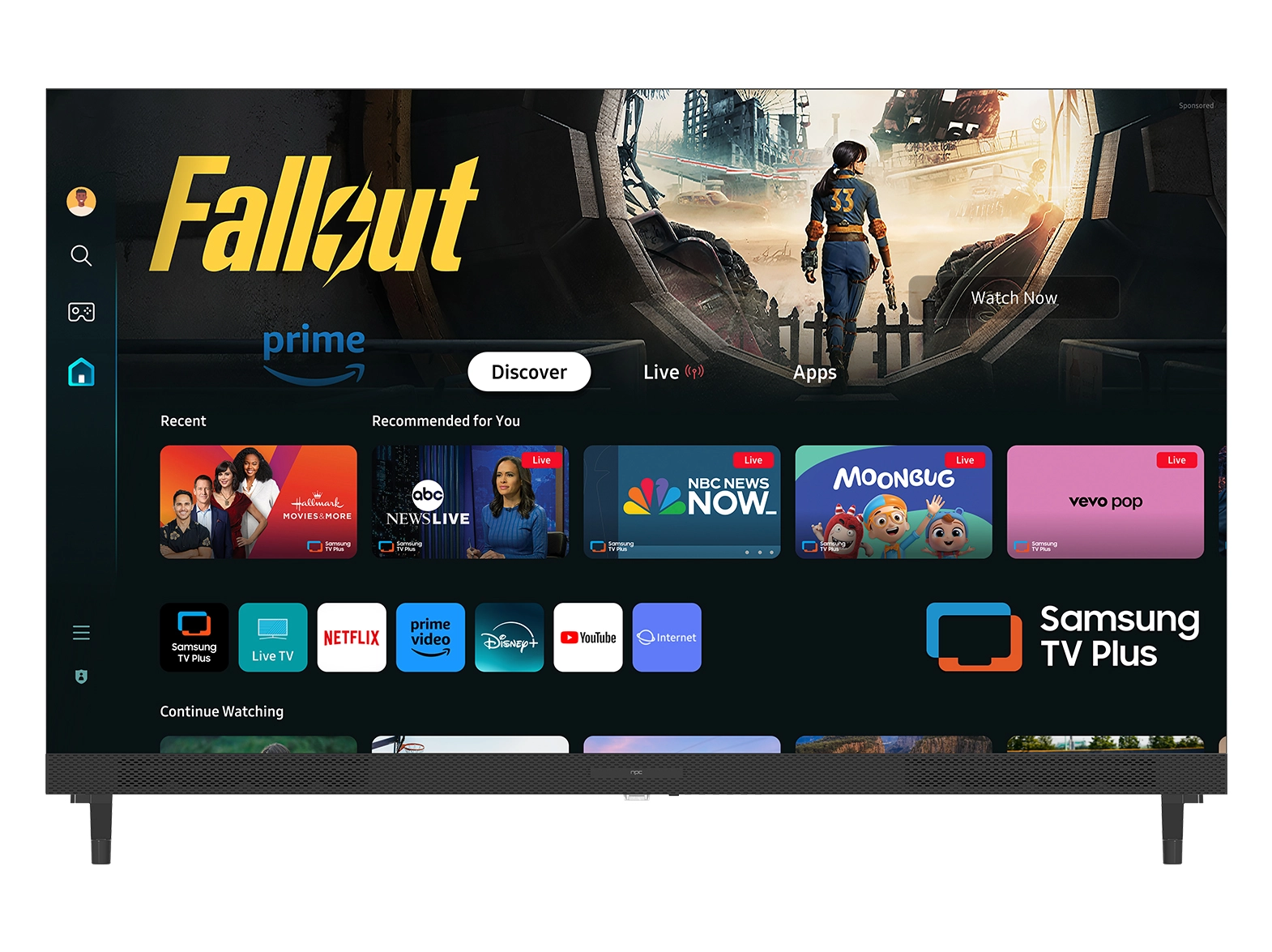
The NPC 32-inch TV smart stands out as an exemplary solution for this specific use case. It combines the space-saving dimensions of a 32-inch screen with the advanced functionality of the LG webOS Hub. This integration allows the television to serve as a complete entertainment center in a compact form, offering instant access to global streaming services like Netflix, YouTube, and Prime Video, along with the convenience of ThinQ AI voice control and seamless smart home compatibility via Apple HomeKit and Matter. The pairing of its optimized size with a stable, feature-rich operating system eliminates the need for external streaming sticks, keeping the space clean and organized—a critical factor in smaller rooms.
Introduction to NPC
NPC is a globally recognized OEM/ODM provider specializing in delivering high-quality, cost-effective Smart TV and display solutions to brand partners worldwide. Since its establishment in 2005, NPC has prioritized securing official, authorized licenses for industry-leading operating systems, ensuring that every product—from large format displays to compact solutions—delivers a guaranteed, premium user experience.
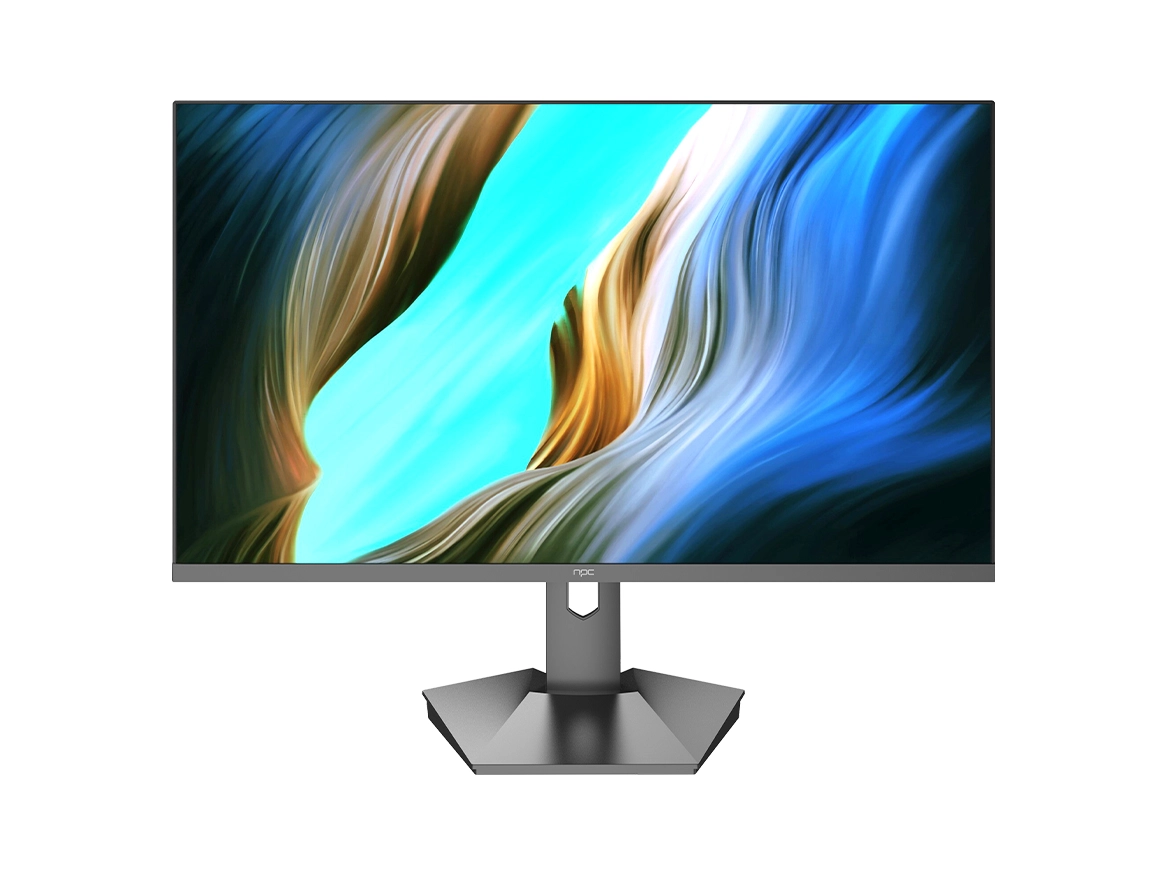
The NPC 32-inch TV smart, specifically the NPC-32N24 model, embodies this commitment to quality and thoughtful design. This Full HD Smart TV features a stable RTD2864 chassis, impressive audio powered by 2*10W Dolby Audio stereo speakers, and a bright, clear 1080p resolution display. By providing compact solutions like the NPC-32N24 with official webOS Hub features, NPC ensures that brands can offer consumers a reliable, fully connected, and perfectly sized viewing solution for any small space, optimized for that ideal 4 to 6-foot viewing distance.


