




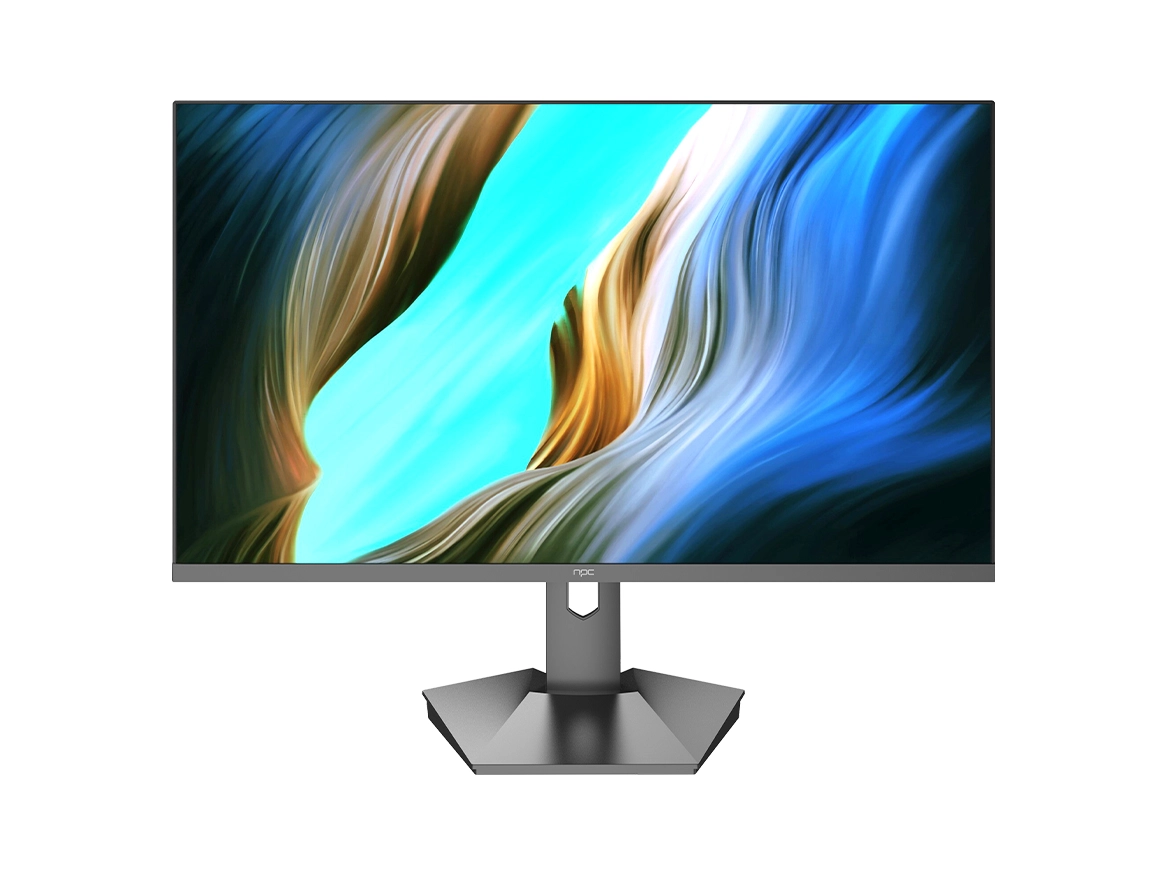


A sudden black screen, especially when the audio continues to play, is one of the most frustrating and common issues faced by television users. It instantly halts your viewing experience and raises the immediate concern of costly repairs. While the problem can sometimes indicate a serious internal component failure, the vast majority of black screen incidents are caused by simple, external factors or minor software hiccups.
Understanding the difference between an easy fix and a true hardware fault is crucial for effective troubleshooting. For users of reliable smart televisions, such as the NPC 32-inch webOS TV, the root cause often lies in misconfiguration rather than component degradation. This guide explores the hierarchy of troubleshooting—starting with the simplest checks and progressing to complex diagnostics—and emphasizes the role of quality hardware in maintaining consistent performance.

The Simple Fixes: External Power and Source Issues
When your screen goes black, the first steps should always focus on the environment and external connections. These are the simplest, most frequent, and most easily solved culprits, accounting for a significant portion of all blank display issues.
The absolute first check involves power supply. Even if the TV’s indicator light is faintly glowing or the audio is still working, there may be insufficient power reaching the display components. Start by ensuring the power cord is securely plugged into both the back of the TV and the wall outlet; a surge protector may have tripped, or the outlet itself may be faulty. Performing a Power Cycle is often effective for clearing minor electronic glitches: unplug the TV from the wall for at least ten minutes, then plug it back in and use the physical power button on the TV itself (not the remote) to power it back on. This hard reset clears temporary system errors that might be blocking the display.
Next, focus on Input Source Misconfiguration and Cables. Most TVs have multiple HDMI ports, and selecting an inactive input is a prime cause of a blank screen. Use your remote's "Input" or "Source" button to cycle through all available options (HDMI 1, HDMI 2, TV, etc.). If you are streaming content from an external device like a cable box or gaming console, ensure that both the external device is powered on and the correct corresponding input is selected on the television. Furthermore, inspect all connecting cables, particularly HDMI cables, for signs of visible damage or looseness. A poorly seated or frayed cable may transmit sound but fail to convey the complex video signal, resulting in a black screen with audio.
Internal Malfunctions: Software and Backlight Failure
Once external factors are ruled out, the problem shifts to the television’s internal hardware or software. These issues are more complex but still follow a predictable diagnostic path.
The internal workings of any modern Smart TV, including models running the reliable webOS platform, rely heavily on complex firmware. A Software Glitch or Corrupted Firmware can cause the operating system to crash or fail to initialize the display driver, resulting in a black screen. This is particularly common if the TV was unplugged during a critical automatic firmware update. If the TV menu still appears when you press the "Menu" button on the remote, the display panel is fine, and a software reset may be the solution. If the problem persists after a simple power cycle, consulting the user manual for a Factory Reset procedure—which typically clears corrupt data—is the next step.
A more serious internal failure involves the Backlight or Display Panel. In LED and LCD televisions, the backlight illuminates the picture, and if this component malfunctions, the screen appears black even if the TV is technically still operating (and often producing sound). A common diagnostic test involves shining a flashlight very close to the screen while the TV is powered on. If you can faintly discern images or movement on the screen using the flashlight, the panel is fine, but the backlight has failed and requires professional repair. If no image can be seen at all, the issue could be with the main board, T-con board, or the display panel itself, requiring the expertise of a technician.
Prevention: The Advantage of the 32-Inch webOS TV Solution
For both Original Equipment Manufacturers (OEMs) and end-users, the best solution to screen failure is prevention, which is achieved through choosing quality, dependable hardware paired with a stable operating system.
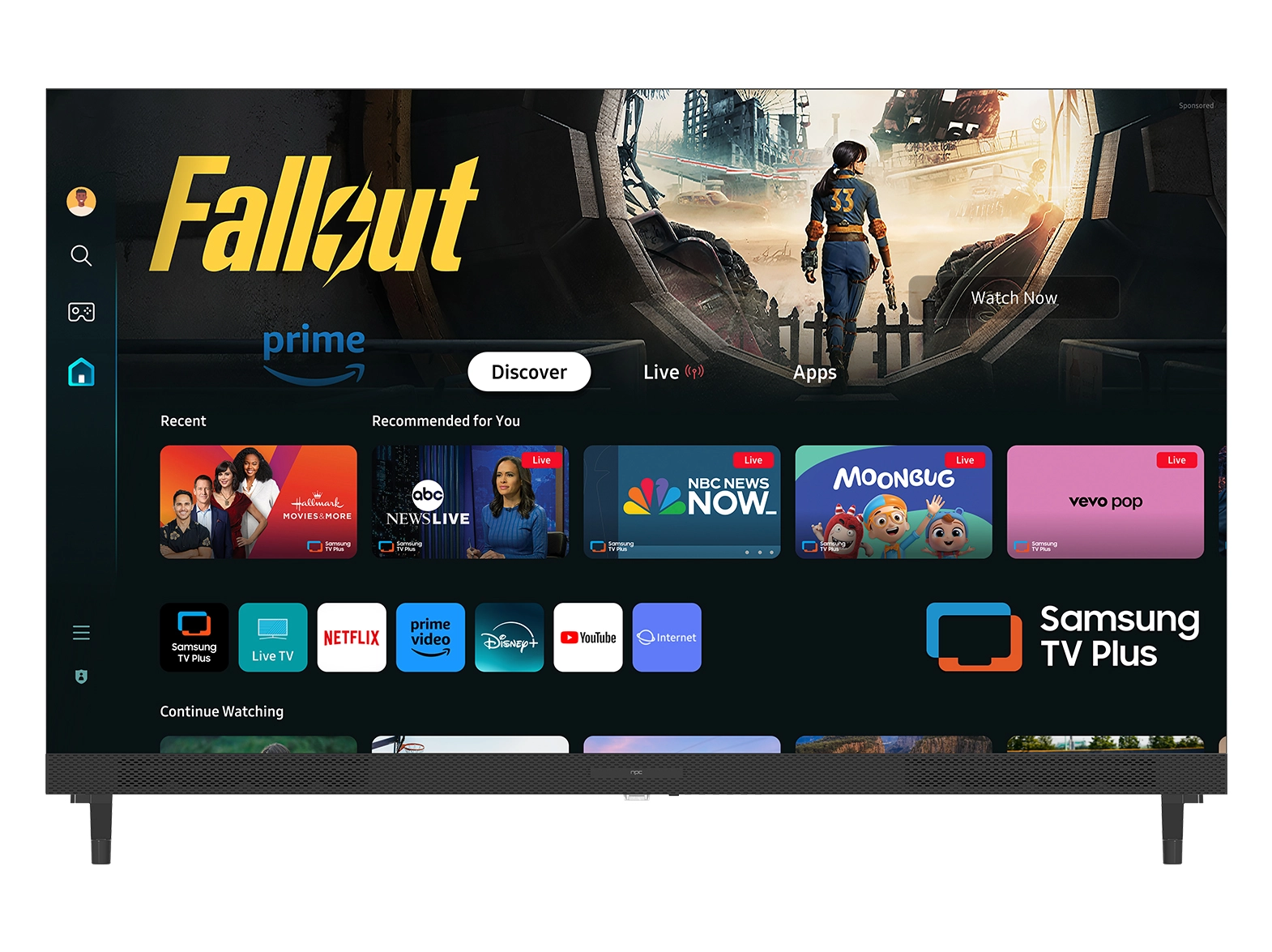
The NPC 32-inch webOS TV provides a strong example of this reliable combination. webOS, known for its stability and user-friendly interface, is less prone to the critical software crashes that plague less optimized systems. The specific model, NPC-32N24, is built using high-quality internal components, specifically featuring a DLED (Direct LED) backlight and a robust RTD2864 chassis, ensuring reliability and consistent Full HD (1920x1080) picture quality. This model is engineered to minimize the risk of backlight failure, which is a key reason many older, low-quality TVs eventually suffer from a black screen. Furthermore, the 32-inch form factor is perfectly suited for smaller living spaces, bedrooms, or secondary viewing areas, offering premium smart features—such as integrated streaming services like Netflix and YouTube, plus ThinQ AI voice control—without the complexity or large footprint of a massive display. By focusing on manufacturing precision and utilizing authorized, stable operating systems, companies like NPC effectively reduce the incidence of hardware-related black screens, offering peace of mind to their customers and partners.
Introduction to NPC
NPC is a globally recognized provider of high-quality, cost-effective Smart TV and display solutions, established in 2005. As a specialized OEM/ODM supplier, NPC is dedicated to offering brand partners fully authorized, cutting-edge television technology. By securing official licenses for industry-leading operating systems, including LG's webOS Hub, NPC ensures its partners can deliver televisions with guaranteed access to premium features, superior stability, and comprehensive service support across more than 80 countries.
The NPC 32-inch webOS TV, specifically the NPC-32N24 model, is one of the company's compact yet powerful solutions. This Full HD Smart TV delivers stunning visuals with 1080P resolution and 70% NTSC color coverage, alongside immersive audio provided by 2*10W Dolby Audio stereo speakers. Its feature set includes instant access to Netflix, YouTube, and Prime Video, comprehensive smart home control with ThinQ AI, Google Assistant, and Matter support, all running on the intuitive webOS platform. Choosing NPC means partnering with a manufacturer that prioritizes hardware reliability and software stability, giving users confidence that their next viewing session won't be interrupted by a frustrating black screen.


