







In today’s fast-paced digital landscape, connectivity standards play a crucial role in the performance of computing devices. USB 3.1 is one such standard that has become increasingly important in enhancing data transfer speeds and overall device efficiency. This article will explore what USB 3.1 is, its features, and its significance in devices like the all in one PC AMD Ryzen 5.
Understanding USB 3.1
USB 3.1, as defined upon its introduction, succeeded USB 3.0. Its key advancement was the “SuperSpeed+” 10 Gbps mode (later renamed USB 3.2 Gen 2). The original 5 Gbps mode was retained and renamed USB 3.1 Gen 1. USB 3.1 supports two data rates: Gen 1, which operates at 5 Gbps, and Gen 2, which increases this speed to 10 Gbps. This enhancement significantly reduces the time needed for data transfer, making it particularly beneficial for demanding applications such as video editing and large file transfers as it can reduce wait times and improve workflow efficiency in capable systems.
Another notable feature of USB 3.1 is the introduction of the USB Type-C connector. This reversible connector not only simplifies the plugging process but also supports a wider range of functionalities, including video output and power delivery. For users of modern systems, particularly those utilizing devices like the all in one PC AMD Ryzen 5, this standard ensures a comprehensive and user-friendly connection experience.
Advantages of USB 3.1
The advantages of USB 3.1 extend beyond just speed. One of the standout features is its increased power delivery capabilities. USB 3.1 can provide up to 100 watts of power, allowing for faster charging of devices and the ability to power larger peripherals. This is particularly advantageous for users of the all in one PC AMD Ryzen 5, as it facilitates versatile connections to various devices, such as external monitors and smartphones.
Additionally, the standard’s backward compatibility ensures that users can connect older USB devices without compromising performance. This feature provides peace of mind for users transitioning to newer technology while retaining access to existing peripherals. These enhancements make USB 3.1 (and its successors) a widely adopted and capable interface in modern computing.
The Future of USB 3.1 in Computing
As technology continues to evolve, the relevance of USB 3.1 remains strong, especially in computing devices. It is particularly significant within compact systems such as the all in one PC AMD Ryzen 5, where space and performance come at a premium. With its ability to support high-speed data transfer and versatile connectivity options, USB 3.1 is positioned to grow alongside emerging technologies.
Moreover, as more devices adopt USB Type-C connectors, the usability and convenience factor increases significantly. The unification of charging and data transfer ports simplifies the user experience, making it easier to manage multiple devices. As the market for high-performance computing grows, USB 3.1 will continue to play a vital role in supporting the infrastructure needed for intensive tasks.
Enhancing Connectivity in Modern Systems
In summary, USB 3.1 represents a meaningful advancement in data transfer technology, particularly for users of devices like the all in one PC AMD Ryzen 5. With enhanced speed, power delivery, and compatibility, it provides a robust solution for modern computing needs.
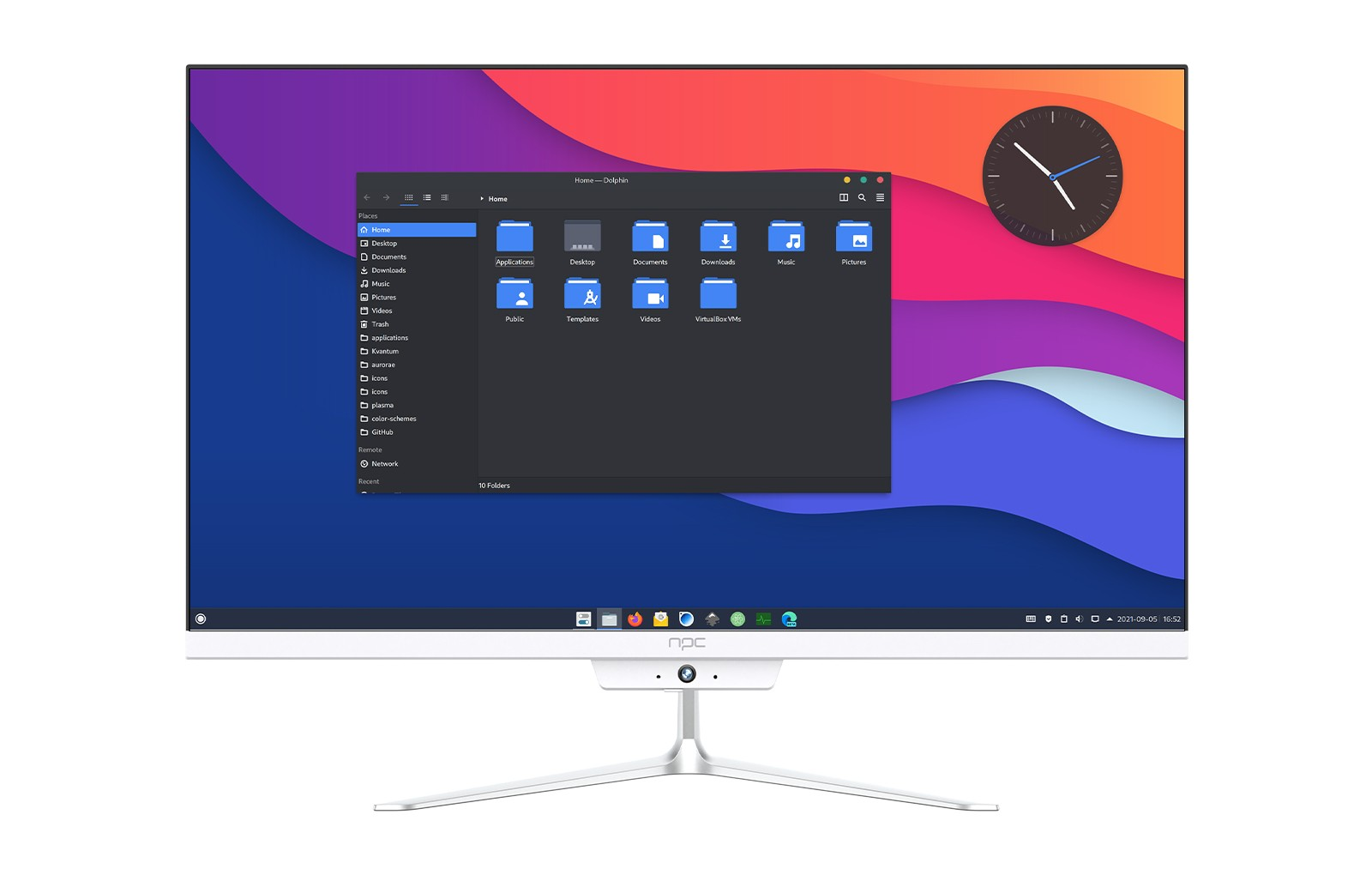
At NPC, we strive to incorporate the latest technological advancements into our products. Our NPC-PF2401-D model, featuring an AMD Ryzen 5 7430U processor, benefits from USB 3.1 connections, ensuring efficient performance and connectivity for a variety of applications.


