





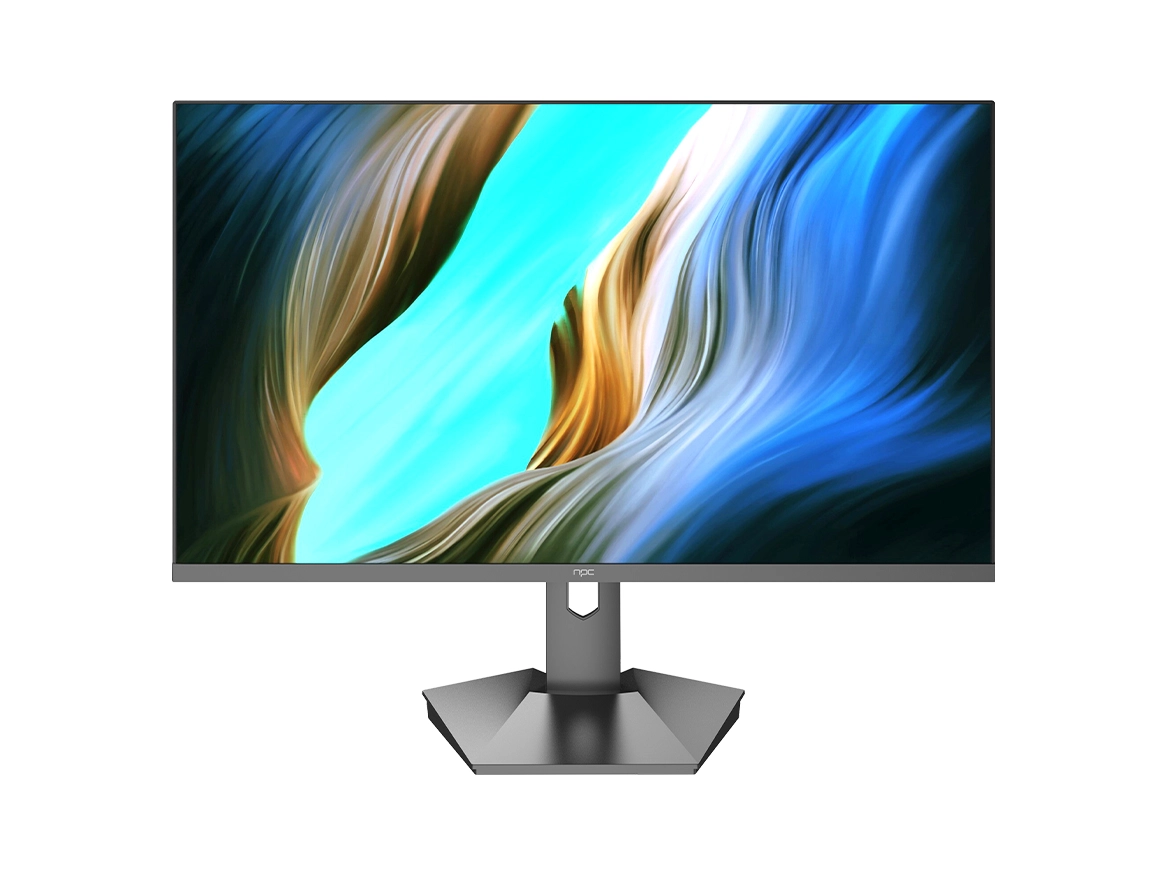


In the realm of computing, efficiency and speed are paramount. One technology that has significantly contributed to improving the performance of data transfer is the USB Attached SCSI Protocol (UASP). This article will unpack what UASP entails, its benefits, and its relevance to modern computing, especially in devices like the all in one PC AMD Ryzen 7.

Understanding UASP
UASP, or USB Attached SCSI Protocol, is a protocol that enhances the performance of USB storage devices. Originally devised to facilitate faster data transfer between computers and external storage, UASP leverages the SCSI command set, optimizing the handling of data transactions. Unlike the traditional Bulk-Only Transport (BOT) protocol, UASP allows multiple commands to be processed simultaneously. This means that read and write operations can occur in parallel, thereby increasing overall data throughput.
By utilizing UASP, USB storage devices can achieve significantly higher sequential and random access speeds compared to using the older BOT protocol under the same USB standard (e.g., USB 3.0 or later). For instance, a device operating under UASP can handle higher data rates and reduced latency, which is critical for applications that demand quick access, such as those running on an all in one PC AMD Ryzen 7.
Advantages of UASP
One of the primary advantages of UASP is its capacity to enhance data transfer speeds. UASP can significantly improve data transfer speeds over the BOT protocol, particularly for random access operations and multi-threaded workloads, leading to more responsive performance in data-intensive tasks. For instance, individuals using an all in one PC AMD Ryzen 7 can experience noticeable improvements in load times and data retrieval, elevating productivity levels.
Another significant benefit is reduced CPU usage. UASP is designed to optimize data handling, allowing the processor to focus on other tasks. This is particularly advantageous for multitasking environments, where users rely on their systems for several applications simultaneously. By minimizing the processing load, UASP enhances overall system responsiveness and performance, allowing users to get more done without experiencing slowdowns.
UASP’s Role in Modern Computing
As modern computing demands evolve, UASP continues to play a pivotal role in enhancing device functionality. Its ability to facilitate quicker data transfer is instrumental in supporting high-performance devices like the all in one PC AMD Ryzen 7. This integration allows users to efficiently manage their workflows, especially when dealing with large files and complex software applications.
Moreover, as USB technology progresses with standards such as USB 3.1 and USB 3.2, the need for protocols like UASP becomes more pronounced. For USB 3.0 and later interfaces, UASP is key to unlocking their full performance potential, particularly for solid-state storage. This ensures that storage performance does not become a bottleneck in high-speed systems.
Optimizing Performance with UASP Technology
In summary, UASP significantly enhances data transfer speeds and reduces CPU load, making it an essential protocol in today’s computing environment. For users operating systems like the all in one PC AMD Ryzen 7, the integration of UASP can lead to marked improvements in efficiency and performance.
At NPC, we are committed to delivering cutting-edge technology in our systems. Our NPC-PF2402-D model, equipped with an AMD Ryzen 5 7430U processor, is designed to optimize performance, utilizing advanced protocols like UASP to ensure a seamless computing experience.


