





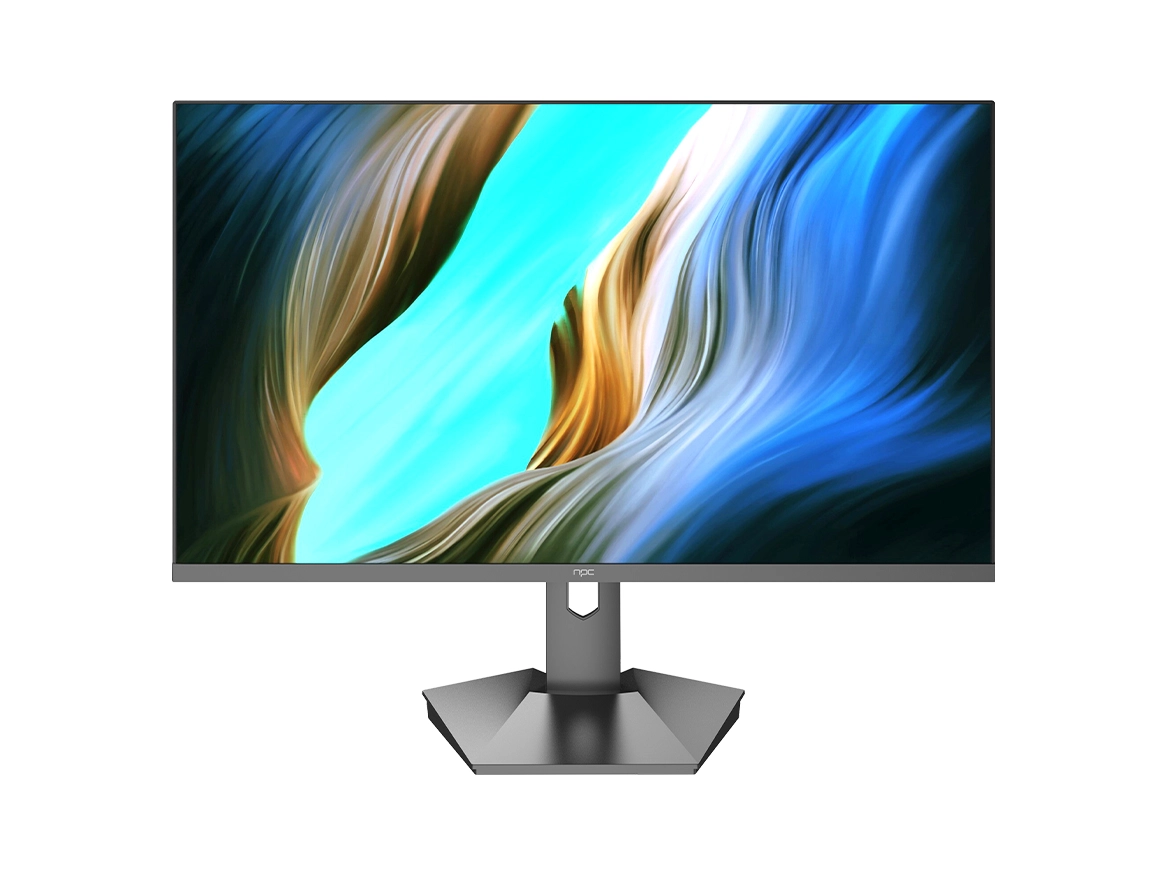


In the rapidly evolving world of computing, understanding various storage options is crucial for both manufacturers and consumers. One such technology that has gained traction is mSATA. This article delves into what mSATA is, its advantages, and its relevance in modern computing, especially in devices like the all in one PC AMD Ryzen systems.

Defining mSATA
mSATA, or mini-SATA, is a standard for connecting solid-state drives (SSDs) to a motherboard. Designed to be a compact version of the SATA interface, mSATA was introduced to provide a small form factor for devices where space is scarce, such as ultrabooks and embedded systems. The mSATA interface enables faster data transfer speeds compared to traditional hard drives, thanks to its solid-state nature.
These drives connect via the SATA III interface, which has a theoretical maximum bandwidth of 6 Gbps. The smaller dimensions (approximately the size of a credit card) make mSATA an attractive option for compact devices when it was widely adopted, offering SSD performance in a small form factor. Additionally, mSATA drives usually consume less power, which is essential for portable systems like the all in one PC AMD Ryzen models.
Advantages of mSATA
One of the primary benefits of mSATA is its compact size, which allows manufacturers to design slimmer devices without sacrificing performance. For users seeking powerful yet elegant systems, the all in one PC AMD Ryzen integrates these advantages effectively. The streamlined design not only enhances the aesthetic quality of workspaces but also contributes to improved thermal management, as smaller drives generate less heat compared to traditional HDDs.
Moreover, mSATA provides a reliable and durable storage solution. With no moving parts, these drives are less susceptible to physical damage, making them ideal for mobile environments. As technology advances, the demands on storage capacity and speed continue to rise. In its time, mSATA provided a valuable balance of small size and SSD performance for various computing devices.
The Future of mSATA in Computing
Despite the emergence of newer technologies like M.2 and NVMe, mSATA remains relevant in specific applications. It is particularly beneficial in budget-friendly computing environments, where users might opt for economical all in one PC AMD Ryzen systems that require efficient yet cost-effective storage solutions. mSATA drives could historically serve as supplementary storage when combined with traditional HDDs or larger SSDs, allowing for flexible arrangements to meet diverse user needs.
For manufacturers focusing on innovation, integrating mSATA drives can support lightweight designs while maintaining system performance. While newer standards dominate, understanding mSATA remains useful for maintaining or upgrading legacy systems.
Integrated Computing Solutions for Modern Needs
In summary, mSATA serves as a pivotal technology in the realm of data storage, particularly within compact and efficient systems such as the all in one PC AMD Ryzen. Its advantages, such as space-saving design, durability, and reliable performance, make it a fitting choice for a variety of applications.
At NPC, we prioritize integrating advanced technologies in our products to ensure optimal performance and satisfaction for our customers. Our all in one PC AMD Ryzen model, the NPC-PF2701-D, is equipped with features that capitalize on the strengths of mSATA, ensuring an efficient and modern computing experience.


