


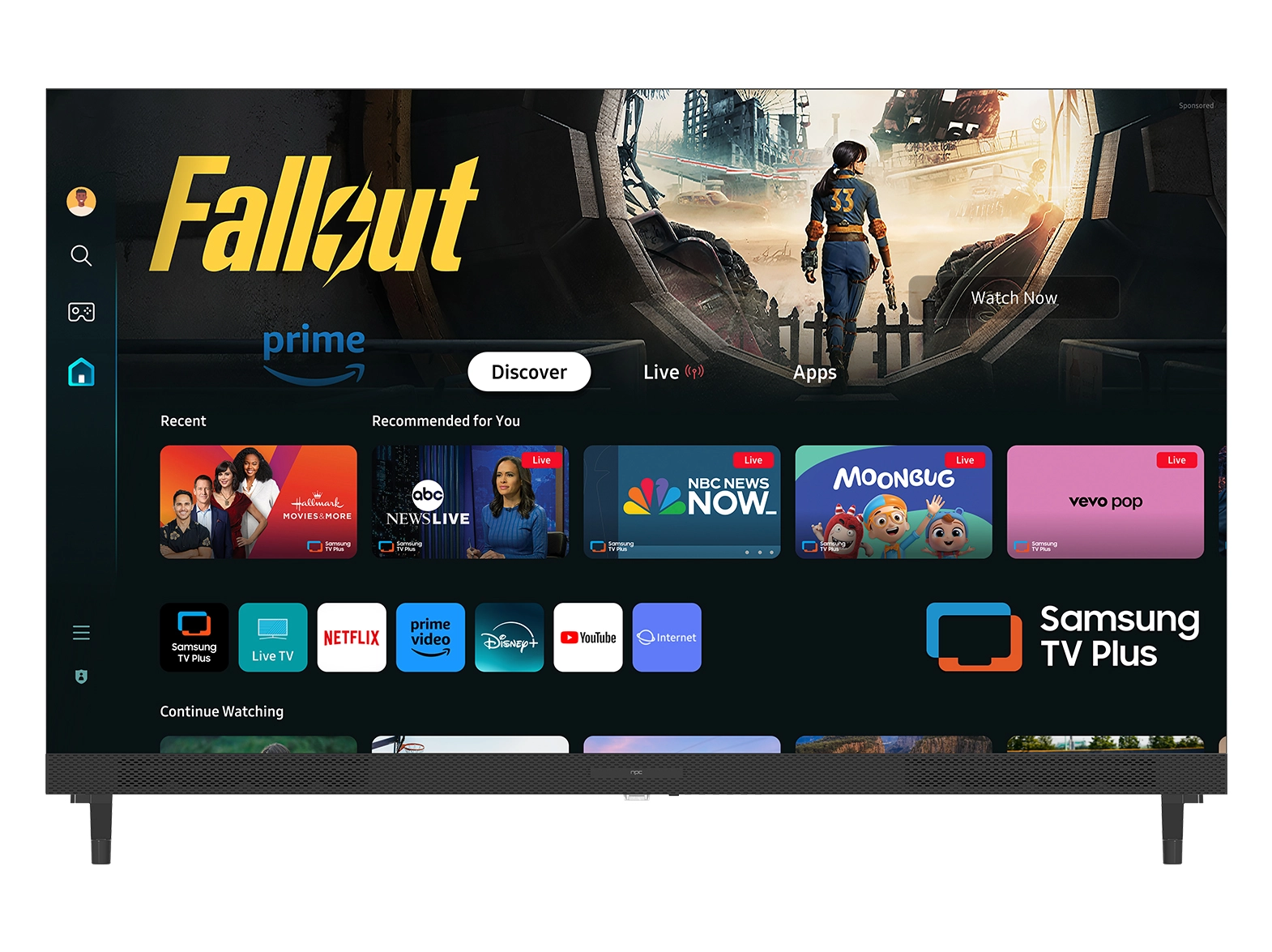




As technology in home entertainment rapidly advances, understanding the differences between audio formats becomes essential. Two prevalent audio systems, stereo and surround sound, offer unique experiences that cater to different listening preferences. This article will explore the key characteristics, advantages, and typical use cases for each audio format, particularly in the context of modern smart TVs like those powered by Tizen OS.
What is Stereo Sound?
Stereo sound provides directional and spatial audio compared to traditional mono sound. It typically uses two speakers: one for the left channel and one for the right. This configuration allows for a wider soundstage, making it easier for listeners to perceive the placement of sounds. In a stereo setup, users experience depth and clarity, ideally suited for music, podcasts, and certain types of movies.
The simplicity of stereo sound makes it an accessible choice for many consumers. It requires minimal equipment and is compatible with a wide range of devices, from basic radio systems to advanced Tizen OS smart TVs. Most modern TVs, including Tizen OS models, come equipped with stereo speakers that deliver adequate audio quality for casual viewing.
What is Surround Sound?
Surround sound, in contrast, involves multiple audio channels and speakers arranged around the listener, creating an immersive audio environment. Common configurations include 5.1 and 7.1 systems, which consist of five or seven speakers and one subwoofer. Surround sound is designed to give audiences a more realistic sense of space and direction, which is particularly beneficial for movie watching and gaming.
With surround sound, sounds can come from various directions, enhancing the realism of the experience. For instance, an action movie can utilize sound from behind the viewer to simulate a helicopter flying overhead. This level of immersion is particularly effective in a home theater setup powered by advanced technologies like the Tizen OS, which can seamlessly integrate audio sources and optimize sound quality.
Choosing Between Stereo and Surround Sound
When deciding between stereo and surround sound, it is essential to consider the intended use. For music enthusiasts or casual viewers, stereo sound may suffice, providing balanced audio without the complexity of multiple speakers. However, for cinephiles or gamers seeking a more immersive experience, surround sound is often preferred.
Modern smart TVs, such as those running on Tizen OS, offer solutions for both formats. While built-in speakers often provide stereo sound, Tizen OS smart TVs can be paired with external audio systems for high-quality surround sound. This versatility allows users to choose their preferred audio setup while enjoying features like integrated streaming services, making it easy to access content from platforms like Netflix or YouTube.
A Holistic Approach to Home Entertainment
Understanding the differences between stereo and surround sound is crucial for selecting the right audio system for your needs. In a world where home entertainment is increasingly defined by audio and visual quality, the choice between these two formats impacts the overall experience. Tizen OS smart TVs exemplify how modern technology can facilitate diverse sound configurations, whether you favor simple stereo audio or a more complex surround sound setup.
NPC: Your Gateway to Superior Entertainment
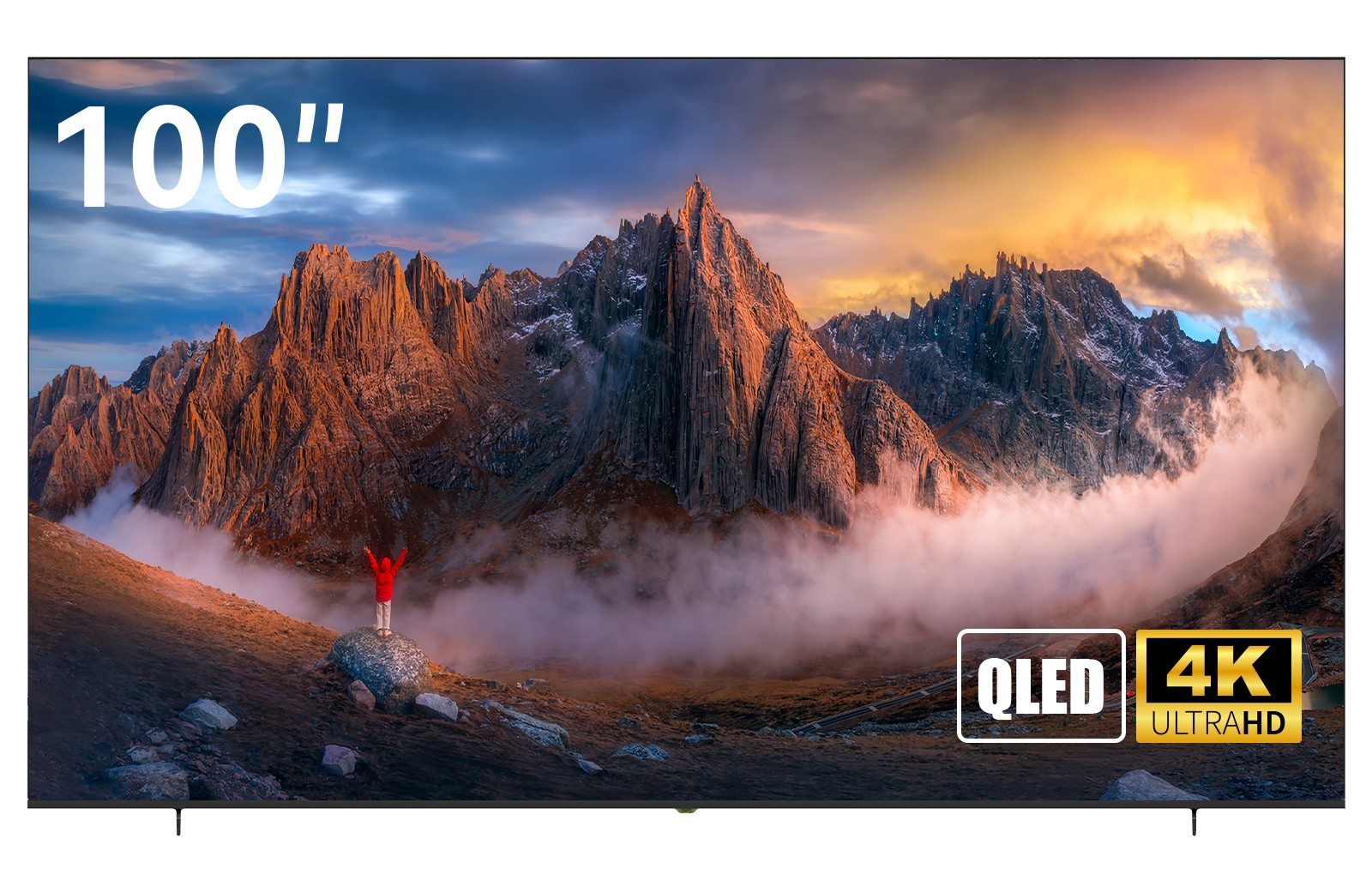
At NPC, we are committed to enhancing your entertainment experience with our NPC-100V9G system. This all in one smart entertainment solution, powered by Samsung’s Tizen OS, not only provides seamless access to popular streaming services like Netflix and YouTube but also supports advanced gaming and smart home features. With NPC, elevate your audio-visual enjoyment, whether you choose stereo or surround sound for your next movie night.


