






In the evolving landscape of home audio, two leading audio formats stand out: Dolby Atmos and DTS:X. These technologies enhance the listening experience by creating immersive, three-dimensional sound, making both formats popular among consumers seeking superior audio quality. This article will delve into the key differences, benefits, and considerations when choosing between Dolby Atmos and DTS:X, especially in relation to using a Tizen OS TV.
Understanding Dolby Atmos
Dolby Atmos revolutionizes sound by adding height channels to conventional surround sound setups. This format engages listeners with an object-based audio system, allowing sounds to be precisely placed and moved in three-dimensional space. For instance, in a film, you could hear the sound of rain falling from above or a helicopter flying overhead. This immersive experience is especially compelling when paired with compatible hardware, such as soundbars or speaker systems designed to leverage the full capabilities of Dolby Atmos.
Many Tizen OS TVs support Dolby Atmos, seamlessly integrating the format into a broad range of content available on streaming services. This compatibility makes it an attractive option for consumers looking to enhance their viewing experience with rich, multidimensional sound.
Exploring DTS:X
DTS:X is another advanced audio format that emphasizes flexibility and user control. Like Dolby Atmos, DTS:X utilizes an object-based audio approach but emphasizes flexibility in speaker layout adaptation and may offer user controls for overall sound profiles. DTS:X is also designed to work with existing audio systems, enabling playback through standard 5.1 or 7.1 channel speaker setups, making it accessible without requiring extensive additional hardware.
Tizen OS TVs are often compatible with DTS:X content, allowing users to experience this audio format through various streaming applications. This capacity to adapt and deliver high-quality audio makes DTS:X a compelling choice for home theaters, especially for those who seek a tailored audio experience.
Comparing Audio Quality and Performance
When comparing Dolby Atmos and DTS:X, several factors come into play, including audio quality, content availability, and hardware compatibility. Both formats provide exceptional sound quality, but the experience can vary based on system setup and room acoustics.
Dolby Atmos is widely adopted across many streaming platforms, making it easier to find content that supports the format, especially on Tizen OS TVs. In contrast, DTS:X is gaining traction but may not have the same level of widespread support in consumer electronics. This may influence a user's decision if easy access to compatible content is a priority.
In terms of audio performance, Dolby Atmos often creates a more cohesive sound experience, while DTS:X offers flexibility for customization. Ultimately, the choice may depend on personal listening preferences and the specific setup of one’s home audio system.
An Informed Choice for Home Audio
Both Dolby Atmos and DTS:X provide exceptional audio experiences, transforming how we engage with content on Tizen OS TVs. Understanding the nuances of each format is essential for making an informed decision that aligns with your audio preferences and system capabilities. The advanced technologies inherent in these audio formats ensure that whether you choose Dolby Atmos or DTS:X, you are investing in a superior sound experience that enhances your entertainment.
NPC: Elevating Your Entertainment Experience
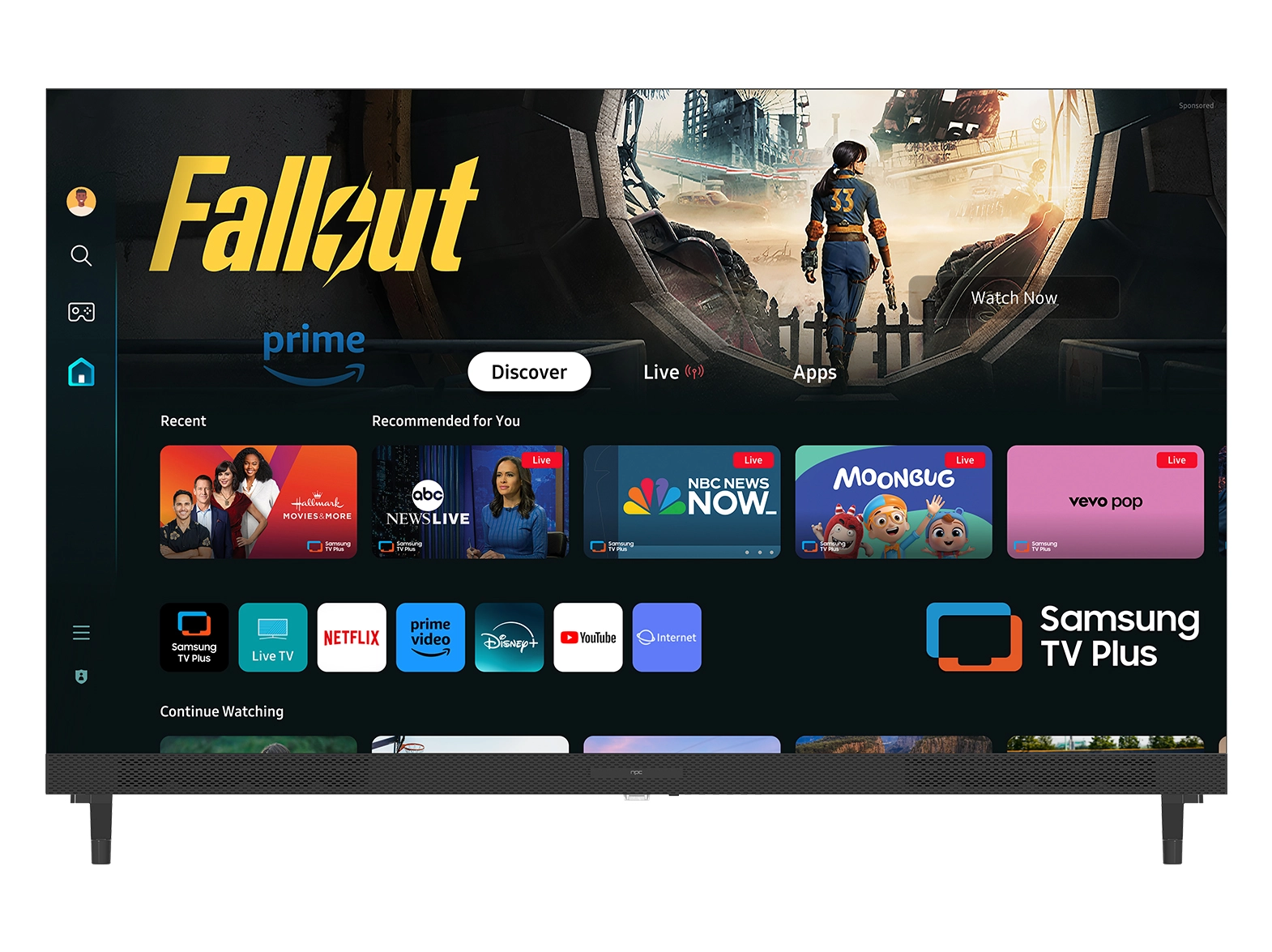
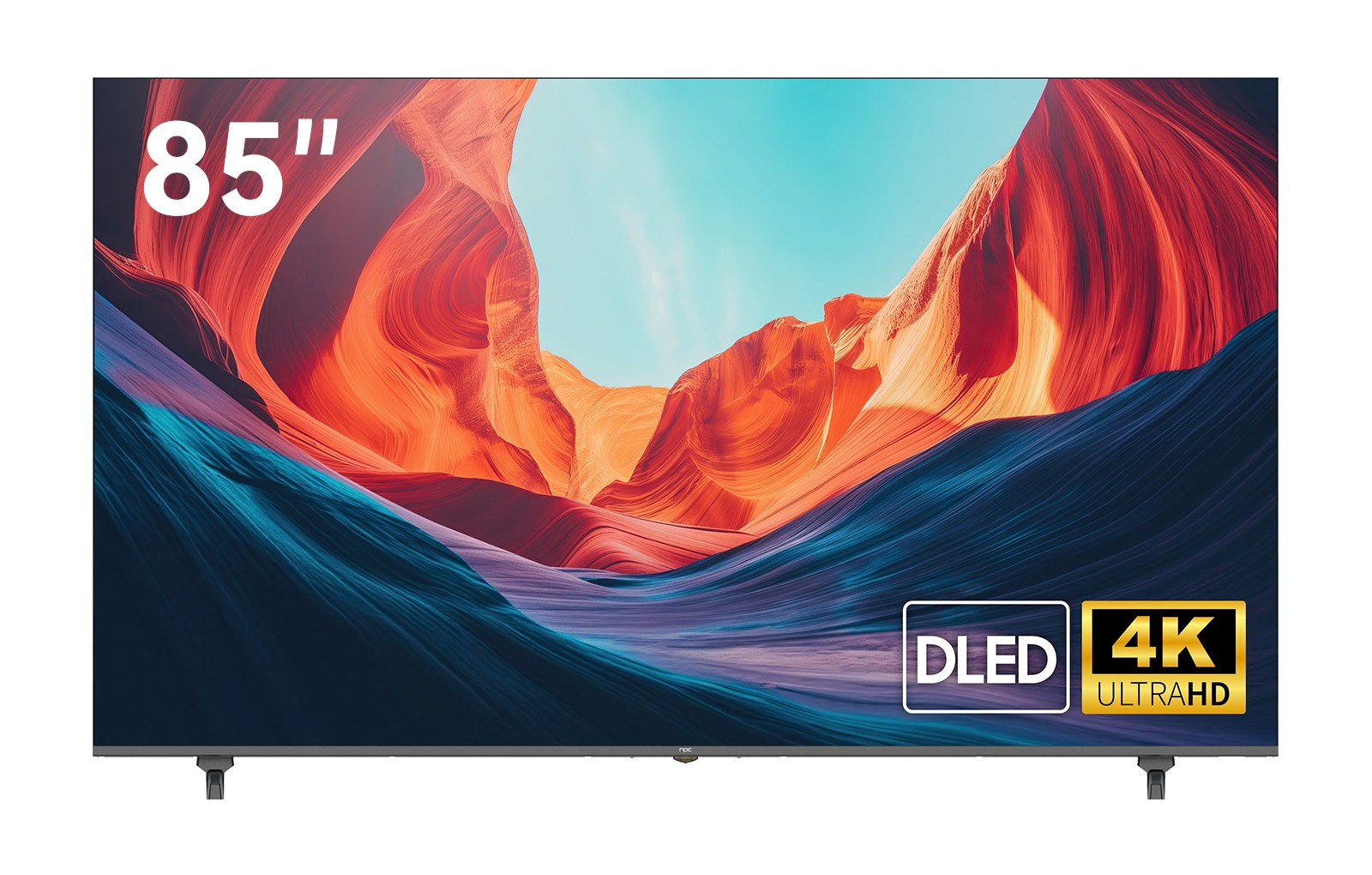
At NPC, we offer the NPC-85N21 UHD Smart TV, equipped with Samsung's Tizen OS and full compatibility with platforms like Netflix and YouTube. Our commitment is to provide a premium viewing and listening experience, letting you enjoy the best of Dolby Atmos and DTS:X. With ThinQ AI and HDR10+ compatibility, our TVs ensure you experience entertainment at its highest quality. Choose NPC for a comprehensive audio-visual experience that meets modern standards.


