






As the world of television technology evolves, pixel density is an important factor influencing perceived sharpness and detail, particularly with the rise of 4K resolution. Pixel density refers to the number of pixels packed into a display size, typically measured in pixels per inch (PPI). Higher pixel density translates to greater detail and clarity in images, making it essential for a superior viewing experience. This article explores how pixel density relates to TV size and the advantages of 4K viewing, particularly when choosing a 4K television.
Understanding Pixel Density
Pixel density is a fundamental aspect of display technology that influences how sharp and clear images appear. In the context of TVs, pixel density is determined by both the resolution and the screen size. For example, a 4K resolution (3840 x 2160 pixels) offers significantly more pixels than Full HD (1920 x 1080 pixels), providing a more detailed image. However, the benefits of these additional pixels are contingent on the size of the TV.
When a TV is larger but maintains a comparable pixel density to a smaller screen, the viewing experience can suffer due to visible pixelation. Conversely, smaller screens with high pixel density can offer a more striking image. Understanding this balance is crucial for consumers, especially when selecting a 4K webOS smart TV, where the integration of technology improves viewing quality through enhanced pixel management and other features.
Effects of TV Size on 4K Viewing Experience
The size of a TV plays a pivotal role in maximizing the benefits of 4K technology. A larger screen allows viewers to appreciate the enhanced detail offered by 4K resolution, but only if they are seated at an appropriate distance. For instance, the optimal viewing distance for a 4K TV is generally closer than that for lower resolutions, due to the higher pixel density.
Sitting too far from a large 4K TV means that viewers may miss the finer details that 4K can provide. Conversely, for those who sit too close, the increased pixel density may overwhelm the eyes, leading to discomfort. Thus, the size of the TV should align with the viewer's seating arrangement to take full advantage of 4K resolutions, particularly in the context of enjoying content on a 4K webOS smart TV, where clarity and immersion are key.
Enhancing the 4K Experience with Smart Features
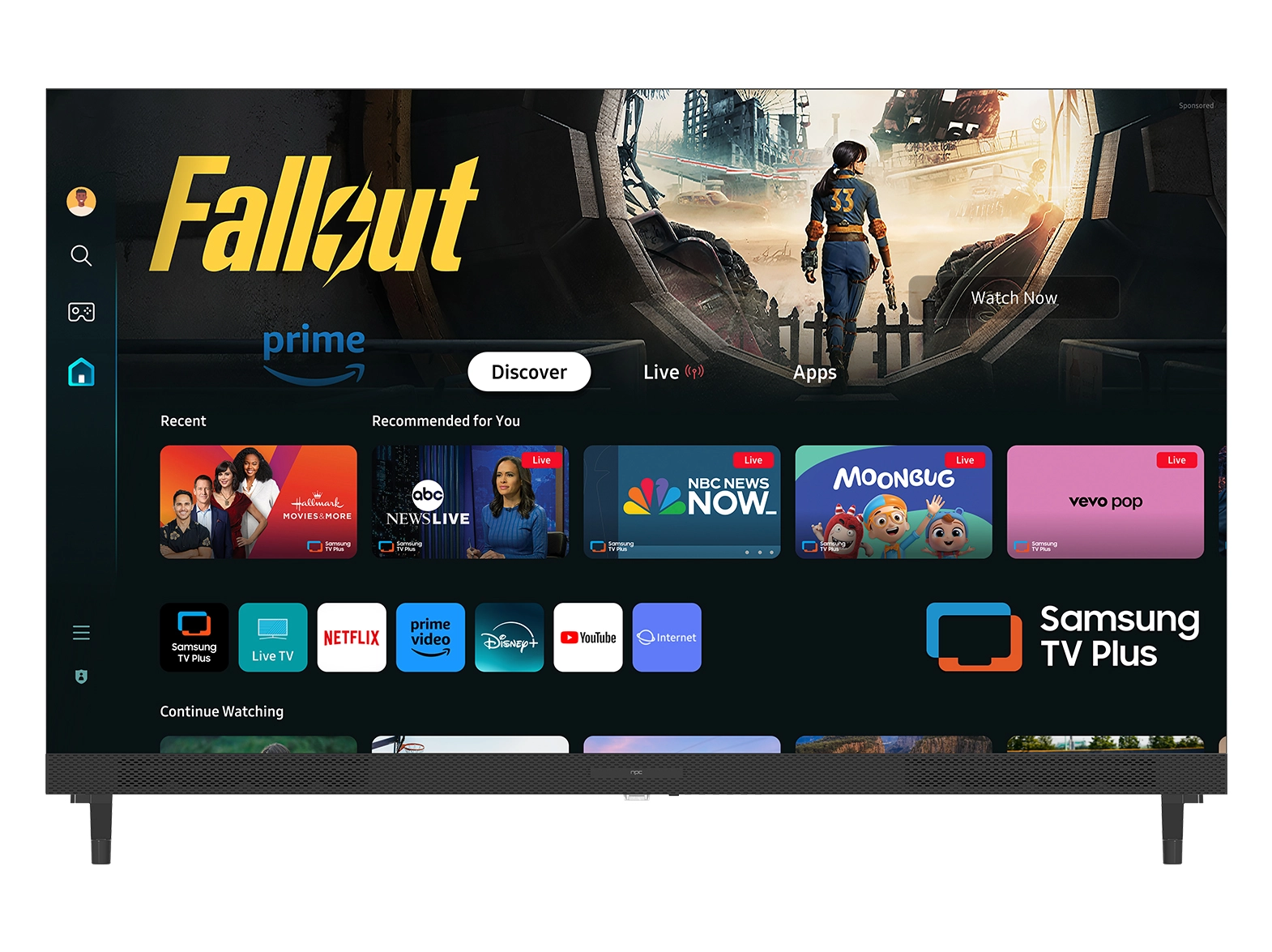
4K webOS smart TVs combine high-resolution technology with an advanced smart platform, offering seamless access to popular streaming services such as Netflix, Prime Video, and YouTube. These TVs are designed to optimize the viewing experience by effectively managing pixel density and resolution to deliver superior picture quality. With HDR (High Dynamic Range) capabilities, 4K webOS smart TVs also enhance brightness and contrast, making colors more vibrant.
In addition, the webOS platform provides an intuitive user experience, allowing users to navigate through content effortlessly. It automatically calibrates settings to match different types of content, maximizing the benefits of pixel density and resolution for various viewing experiences—be it movies, sports, or gaming.
Maximizing Your 4K Viewing Experience with Smart Technology
In conclusion, understanding pixel density and its relationship with TV size is essential for maximizing the benefits of 4K viewing. The interplay between resolution, screen size, and viewing distance can significantly enhance the overall experience, particularly when using a 4K webOS smart TV.
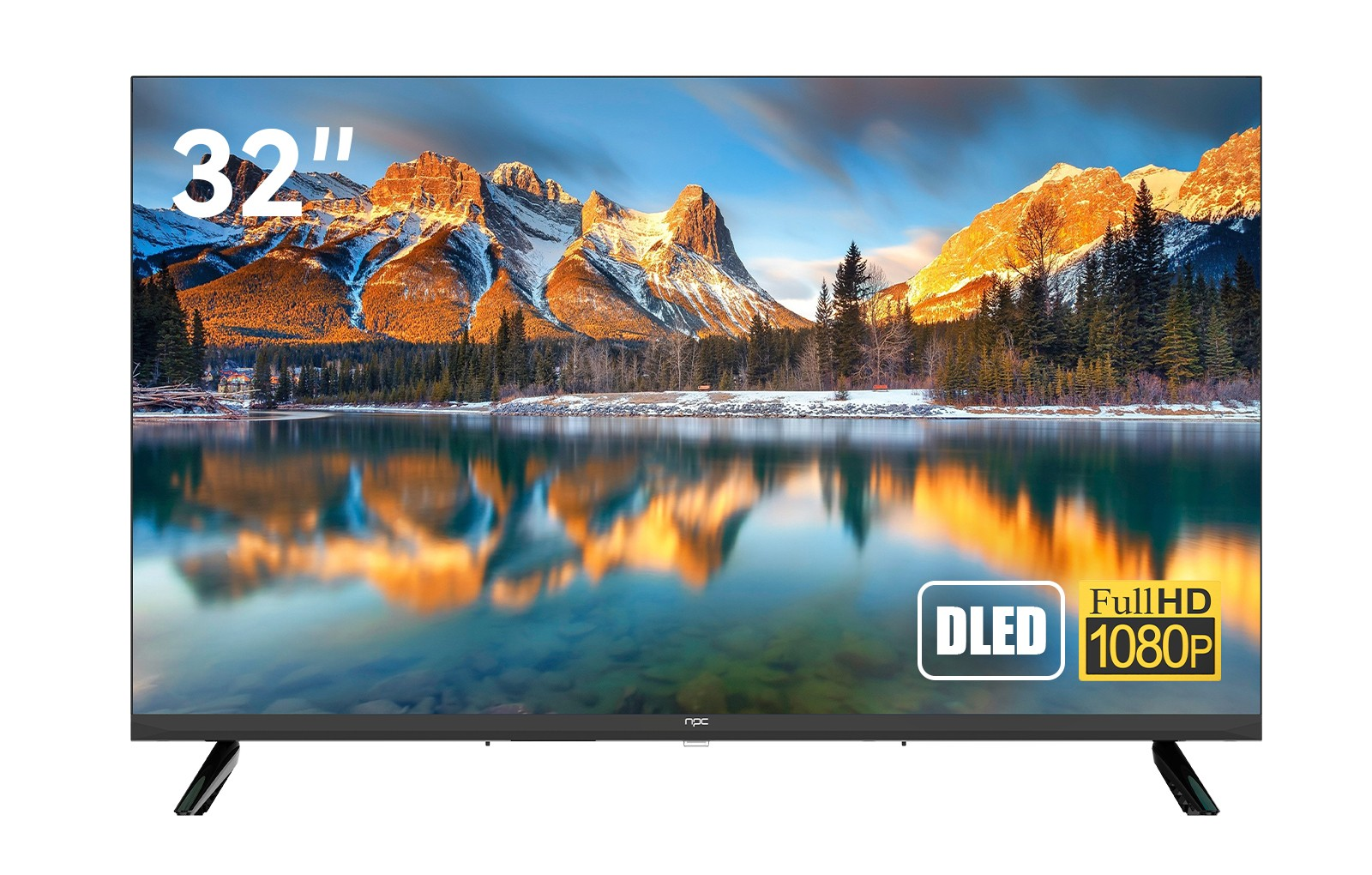
With the NPC-32N18G model, users can experience the ultimate in visual fidelity, thanks to its compatibility with popular streaming platforms and advanced features like HDR. NPC is dedicated to bringing its customers the best in 4K technology, ensuring that they enjoy all the benefits that modern smart TVs can offer. Whether you are streaming your favorite series or watching the latest blockbuster, NPC’s innovations provide a superior entertainment experience.


