




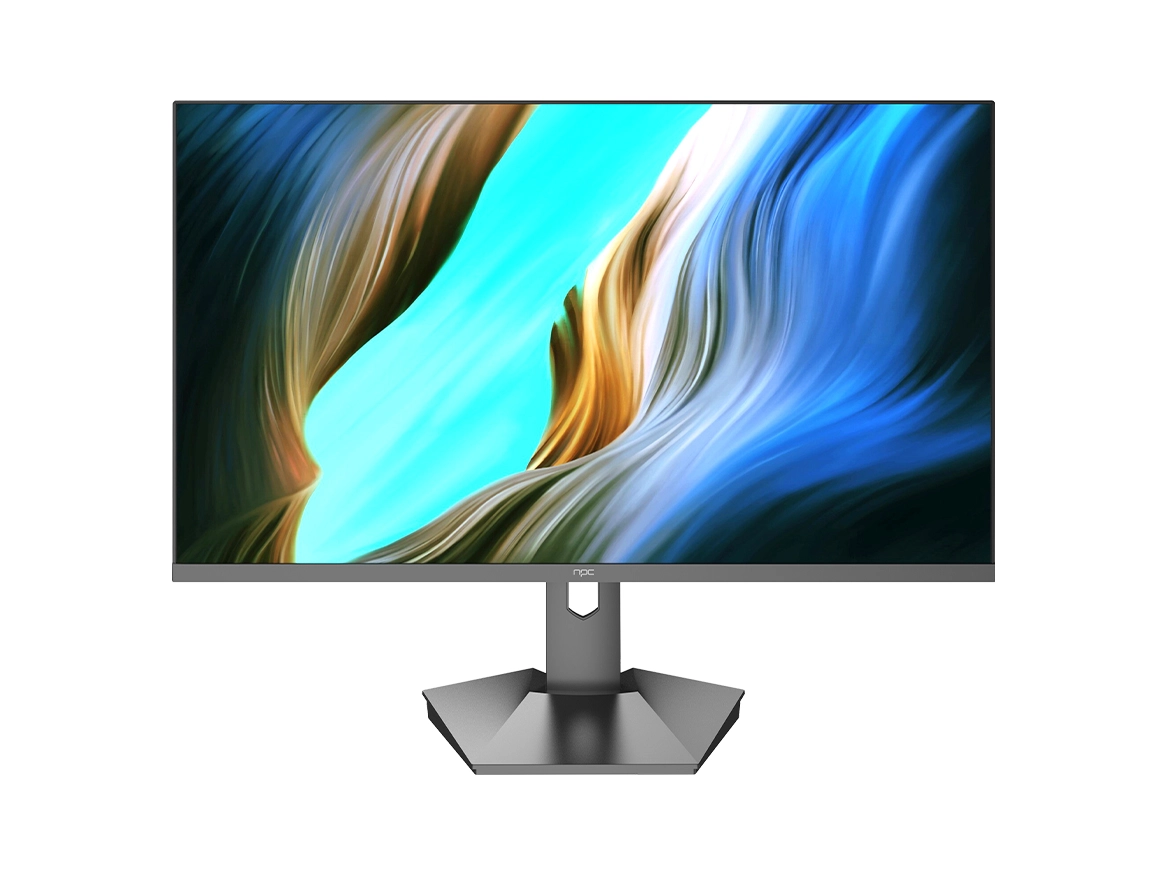


As consumers dive into the world of televisions, confusion often arises from the terminology. An LED TV is a type of LCD TV that uses LEDs for backlighting, rather than a separate technology.

Defining LCD and LED Technologies
LCD, or Liquid Crystal Display, utilizes liquid crystals illuminated by a backlight to produce images. Initially, this backlight consisted of fluorescent lamps. However, advancements in technology led to the introduction of LED (Light Emitting Diodes) as a more efficient and versatile backlighting option.
In essence, all LED TVs are technically LCDs since they use liquid crystal technology. The primary distinction is that LED TVs employ LEDs as their light source instead of traditional fluorescent bulbs. This transition results in improved color accuracy, energy efficiency, and thinner designs, making LED TVs the preferred option for many consumers.
The Confusion Surrounding LED Marketing
The marketing of LED TVs can be misleading. The term “LED TV” often leads consumers to believe that they are purchasing a completely different technology rather than an evolution of LCD. Manufacturers emphasize the benefits of LED backlighting, focusing on brighter images and better energy efficiency.
Additionally, terms like "Edge LED" and "Full-Array LED" further complicate matters. Edge LED TVs use LEDs along the edges of the screen, which may not provide uniform lighting across the entire display. In contrast, Full-Array LED TVs use a grid of LEDs behind the screen for more consistent and dynamic picture quality. This ambiguity in terminology can make it challenging for consumers to select the television that best fits their needs.
The Advantages of Smart TV with WebOS
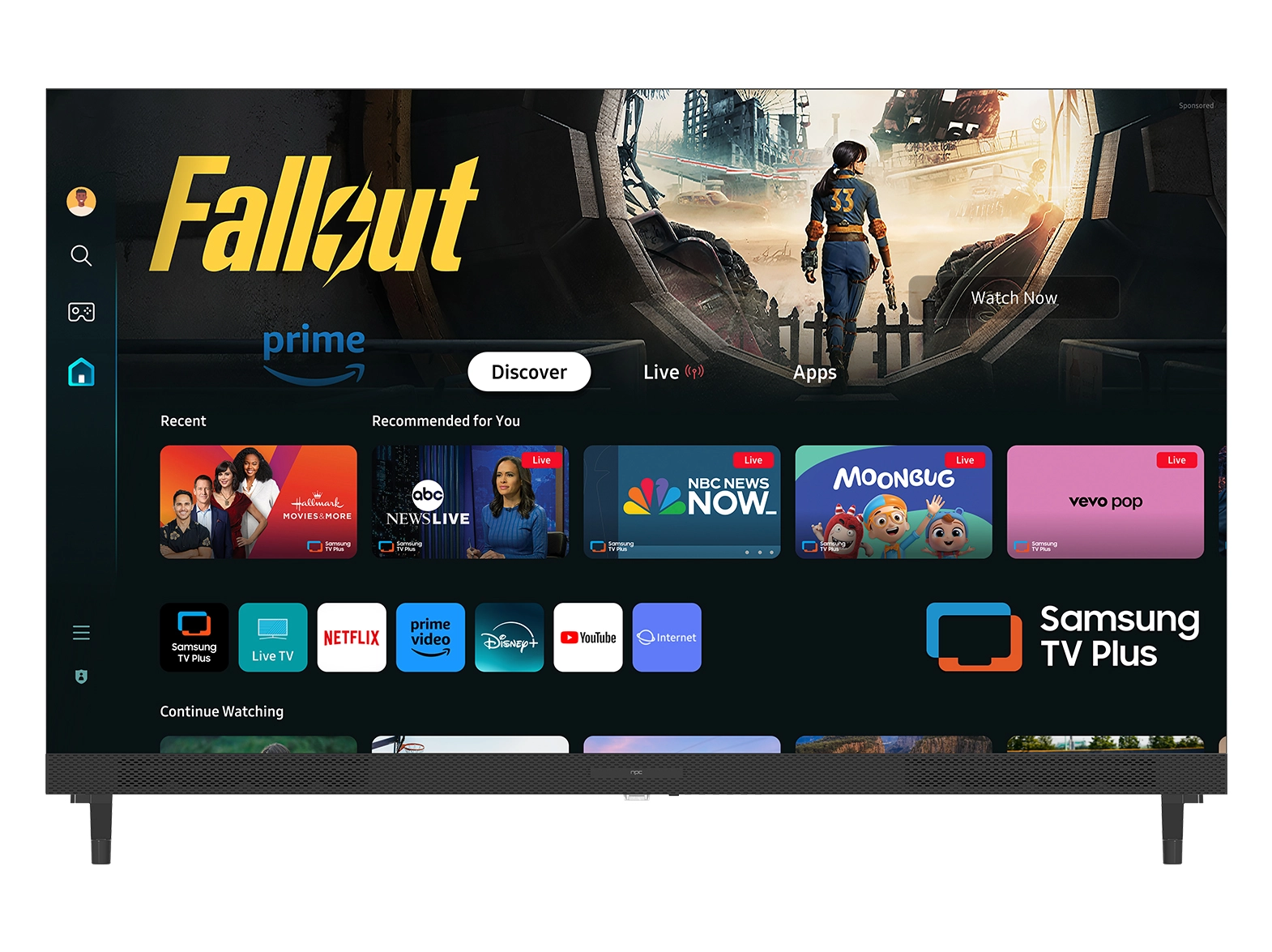
In today’s market, the integration of smart features is essential. Many LED TVs are equipped with smart capabilities, allowing users to access streaming services and online content seamlessly. One notable example is the smart TV with webOS, which provides an intuitive interface and compatibility with popular platforms like Netflix, Prime Video, and YouTube.
WebOS enhances the user experience by offering easy navigation, personalization options, and support for 4K HDR content, providing access to a variety of viewing options. For example, smart TVs like the NPC-85N18G incorporate the webOS platform, allowing users to enjoy a broader range of content, all while benefiting from the enhanced picture quality associated with LED technology.
Navigating Your TV Purchase Wisely
Choosing between LCD and LED TVs involves understanding both the core technology and the marketing terminology used by manufacturers. While both types offer unique benefits, LED technology provides distinct advantages in terms of brightness and efficiency. Being informed about the distinctions can help consumers avoid confusion and make a more educated choice tailored to their viewing preferences.
Moreover, opting for a smart TV with webOS not only enhances your entertainment experience but also adds value through its compatibility with various streaming services and user-friendly interface. As technology progresses, having these features becomes increasingly essential for a satisfying viewing experience.
Making Informed Choices for Your Entertainment Needs
Ultimately, understanding the terms LCD and LED, along with the nuances of smart features, equips consumers to make better purchasing decisions. As represented by our NPC-85N18G UHD Smart TV, which incorporates the webOS platform, consumers can enjoy a superior viewing experience, ensuring that their investment in technology translates into hours of engaging entertainment across popular streaming services like Netflix and YouTube.


