






In today's fast-paced digital landscape, choosing the right television can be daunting, particularly with various technologies available. This article aims to clarify the differences among OLED, QLED, and Mini-LED panel technologies to help you make an informed decision.

Understanding OLED Technology
Organic Light Emitting Diode (OLED) technology has gained popularity due to its superior picture quality. Each pixel in an OLED display emits its own light, allowing for deep blacks and vibrant colors. This self-emitting characteristic enables perfect blacks and an infinite contrast ratio, which can make colors appear more vibrant and saturated.
However, OLED's performance can be affected by brightness, as it may not achieve the same peak brightness levels as some of its competitors. Moreover, OLED panels may suffer from burn-in, wherein static images can leave a lingering impression if displayed for prolonged periods.
Exploring QLED Technology
Quantum Dot Light Emitting Diode (QLED) technology represents a significant advancement in LED displays. QLED panels utilize quantum dots to enhance color accuracy and brightness. Unlike OLED, which relies on self-emitting pixels, QLED displays use a backlit panel. This configuration enables QLED TVs to achieve higher peak brightness levels, making them suitable for well-lit rooms.
Additionally, QLED technology offers excellent color accuracy and a longer lifespan compared to OLED. However, the contrast ratio may not be as striking, especially in dark scenes, due to the limitations of backlighting. Overall, QLED is an excellent choice for those who prioritize brightness and vibrant colors in various viewing environments.
The Rise of Mini-LED Technology
Mini-LED technology represents a middle ground between OLED and QLED. By utilizing smaller LED backlighting, Mini-LED displays can achieve better local dimming and improved contrast, rivaling the picture quality of OLED. This technology also allows for higher peak brightness, making it suitable for both bright and dark viewing conditions.
Mini-LED TVs are still relatively new on the market, but they show great promise in delivering enhanced HDR performance. As the technology continues to evolve, it provides a compelling option for consumers searching for a balance between OLED’s deep blacks and QLED’s brightness.
Finding Your Ideal Viewing Experience
When considering which TV panel technology is best for you, assess your viewing habits, room lighting, and content preferences. If you watch most of your content in dimly lit environments and value superior contrast and deep blacks, an OLED TV may be the ideal choice. On the other hand, if you prefer watching in brightly lit rooms and want vivid colors and high brightness, a QLED display could be the right fit.
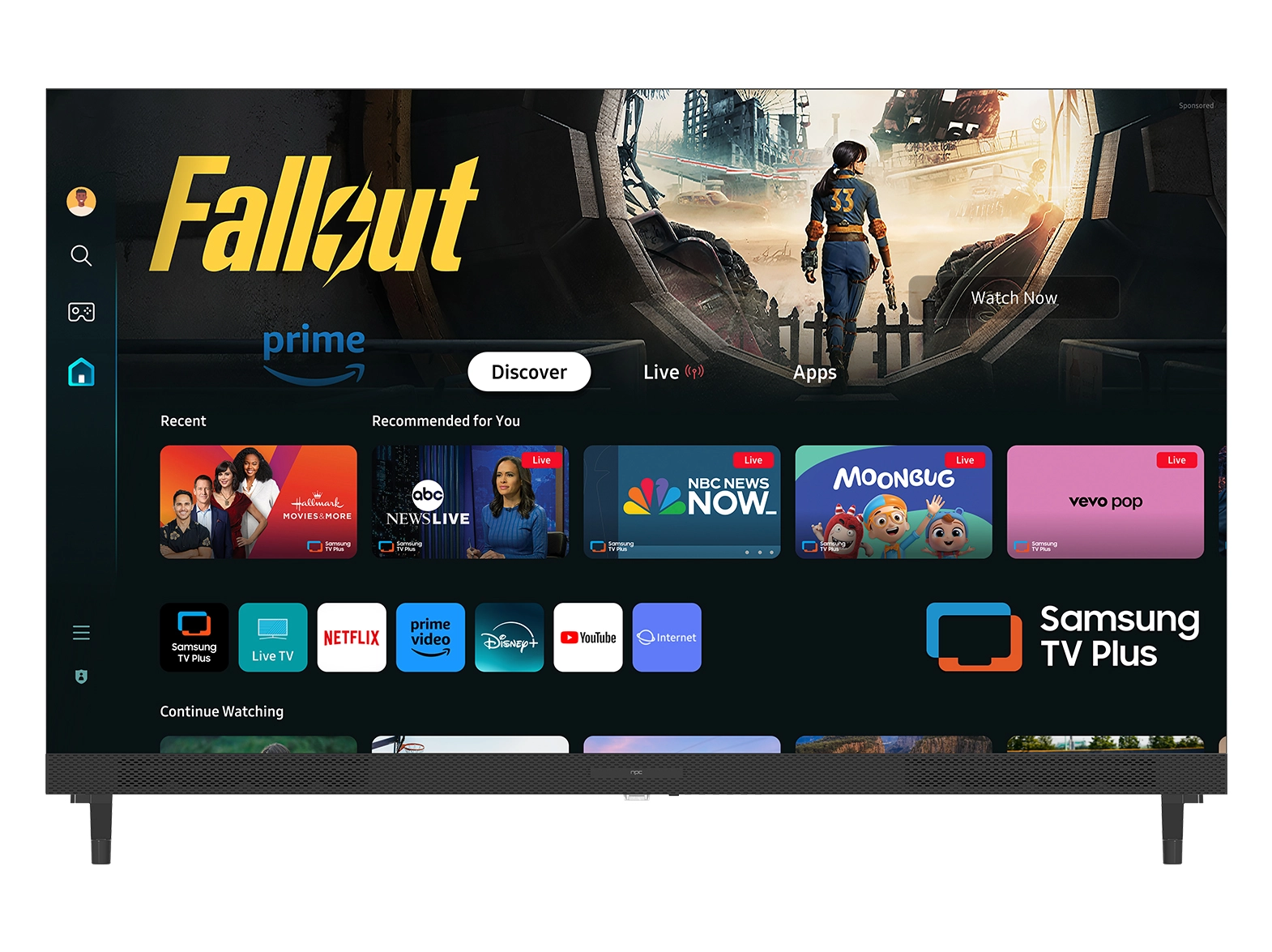
Mini-LED offers an interesting alternative for those looking for high performance without compromising on brightness or contrast. Furthermore, the integration of smart features like webOS Smart TV in models such as the NPC-98N18G adds enhanced user experience through compatibility with popular streaming services like Netflix, Prime Video, and YouTube, along with features such as ThinQ AI and HDR.
Making the Right Choice for Your Home
In conclusion, when choosing between OLED, QLED, and Mini-LED technologies, clarity on your viewing preferences and environment is crucial. Each has distinct strengths that cater to different viewer needs. At NPC, our commitment to quality and innovation is evident in our NPC UHD Smart TV that features webOS Smart TV, providing access to a wide range of streaming platforms and features.


