


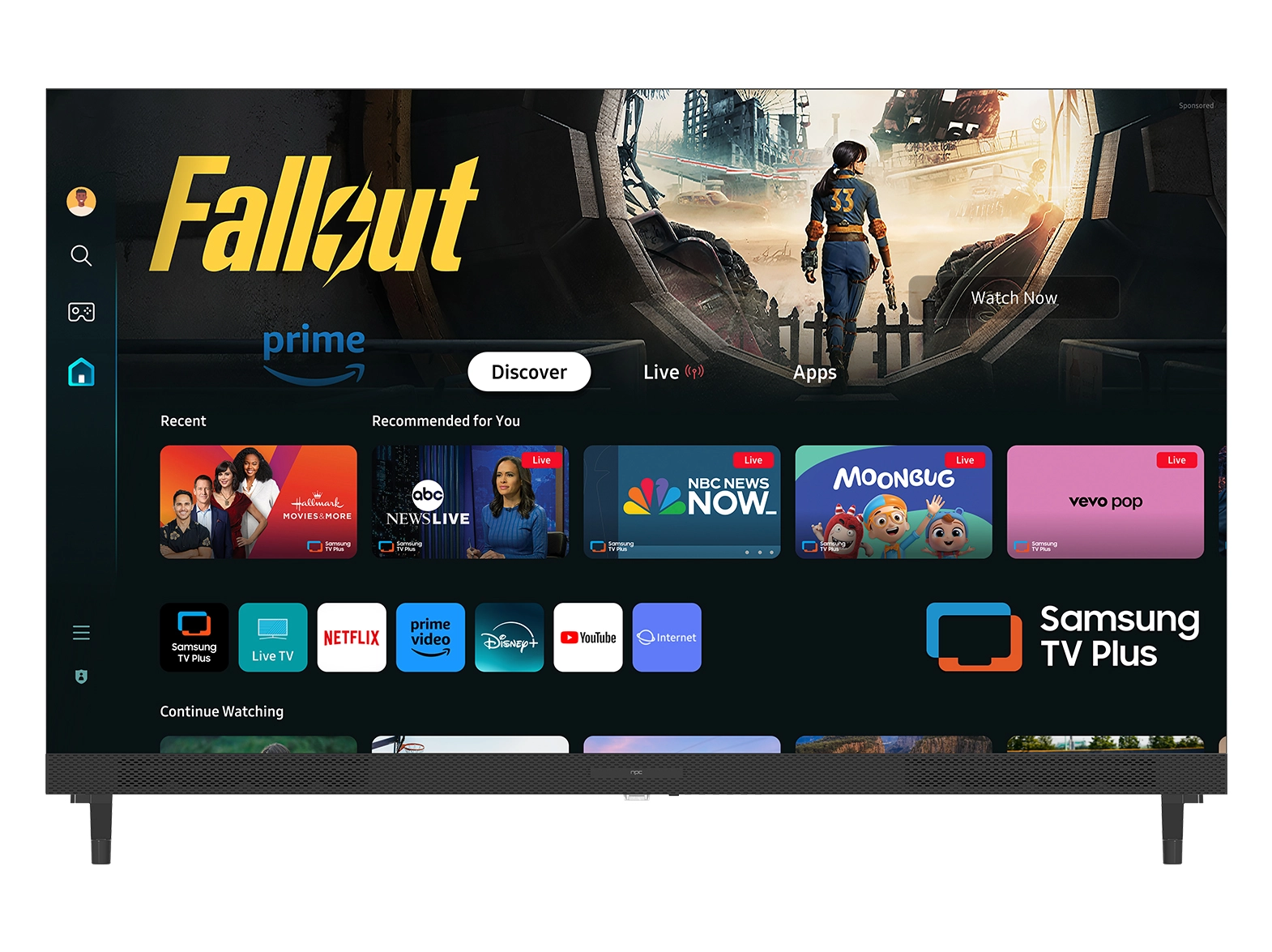




In today's market, two dominant display technologies are OLED and LCD, each with its own set of advantages and disadvantages. As consumers increasingly seek high-quality visual experiences, understanding the nuances of these technologies becomes crucial. This article will explore the issues of OLED burn-in and LCD backlight bleeding, assessing which problem could be considered worse in practical applications
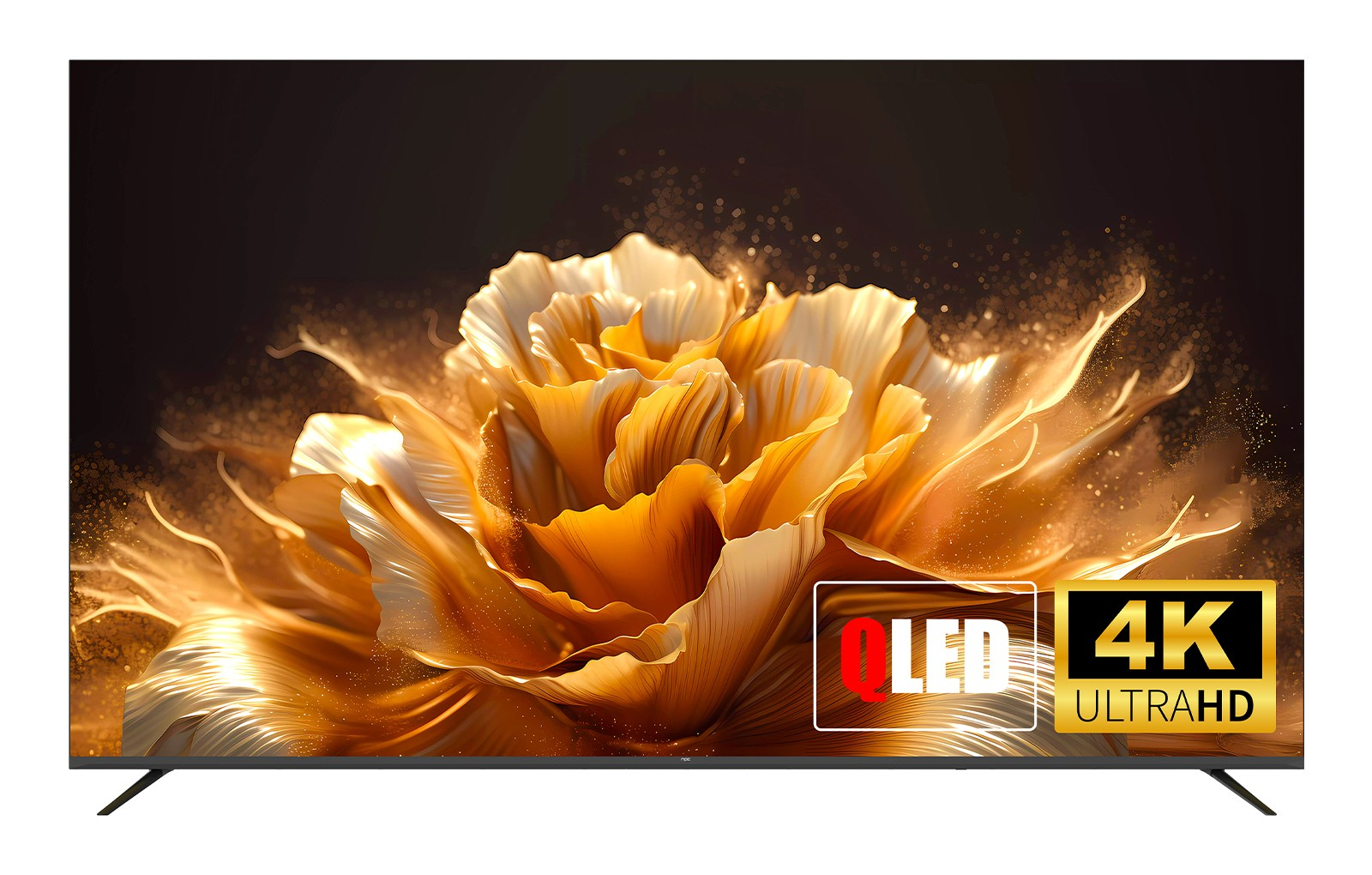
OLED Burn-in: Understanding the Phenomenon
OLED (Organic Light Emitting Diode) technology is renowned for its vibrant colors, deep blacks, and superior contrast ratios. However, one prominent drawback is the risk of burn-in. Burn-in refers to permanent, uneven degradation of the OLED pixels caused by displaying static images for extended periods, which can result in a faint, persistent remnant of those images.
Burn-in is particularly concerning for users who frequently watch content with static elements, such as news channels, gaming interfaces, or video playback with fixed logos. However, manufacturers have implemented various features, like screen savers and pixel shifting, to mitigate this issue. The longevity and usability of OLED screens can significantly depend on how users engage with their smart devices, such as the NPC UHD Smart TV WebOS, which offers diverse viewing options.
LCD Backlight Bleeding: A Persistent Concern
On the other hand, LCD (Liquid Crystal Display) technology includes a backlight that shines through liquid crystals to form images. While LCD screens generally do not suffer from burn-in, they can experience backlight bleeding. This issue occurs when the backlight leaks around the edges or through the layers of the screen, leading to uneven brightness and reduced picture quality—especially noticeable in dark scenes.
Backlight bleeding is often attributed to manufacturing tolerances and can be exacerbated by poor assembly or panel quality. While this does not usually result in permanent damage, it can detract from the visual experience, particularly for viewers who appreciate cinematic content. Devices like the NPC SMART IPTV WebOS TV provide advanced adjustments to enhance viewing experiences, but backlight bleed can still be a significant drawback for discerning users.
Comparing the Impacts on User Experience
When weighing OLED burn-in against LCD backlight bleeding, the impact on user experience may vary based on individual usage patterns. OLED technology excels in picture quality, making it preferable for users who watch a variety of dynamic content. Nevertheless, the risk of burn-in could deter those who often view static content. Conversely, LCDs may be more reliable for regular use without the worry of permanent image retention, yet the presence of backlight bleeding can impede the enjoyment of darker scenes in films and videos.
Ultimately, choosing between these technologies depends on personal preferences and viewing habits. For users of the NPC UHD Smart TV WebOS, which seamlessly integrates services like Netflix and Prime Video, choosing an optimal display becomes a matter of understanding these trade-offs.
Evaluating the Real-World Implications of Display Issues
In the debate over OLED burn-in versus LCD backlight bleeding, each technology presents unique challenges that affect the overall user experience. OLED's risk of burn-in remains an important consideration for those engaged in static content viewing, while LCD's tendency for backlight bleeding can disrupt visuals during darker scenes.
Ultimately, users must evaluate which issues resonate more with their viewing patterns and preferences. As we continue to advance in display technology, understanding these nuances will help consumers make more informed choices regarding their smart devices, particularly when considering options like the NPC UHD Smart TV WebOS. As always, careful consideration can lead to a more satisfying and immersive viewing experience.


