


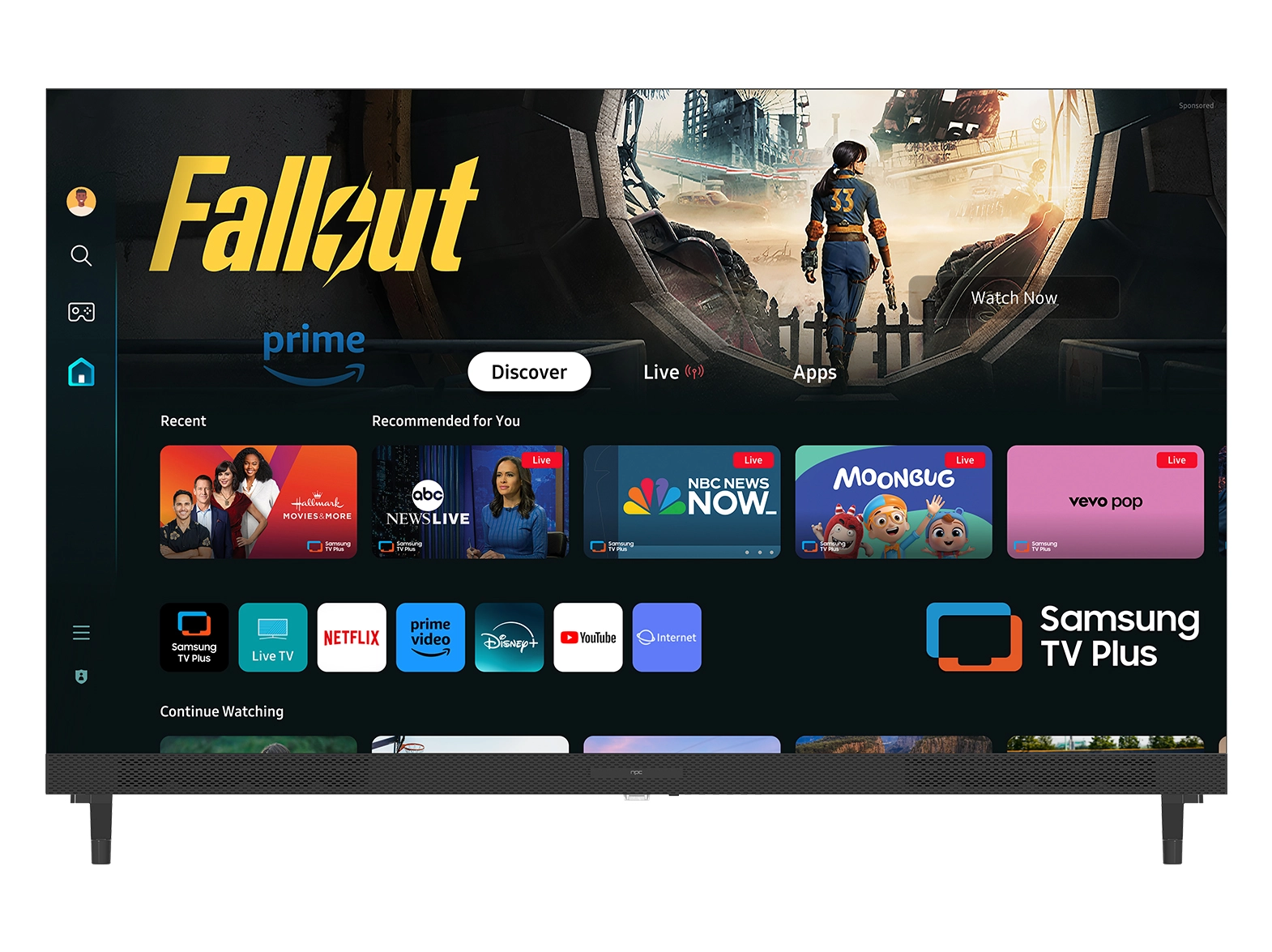


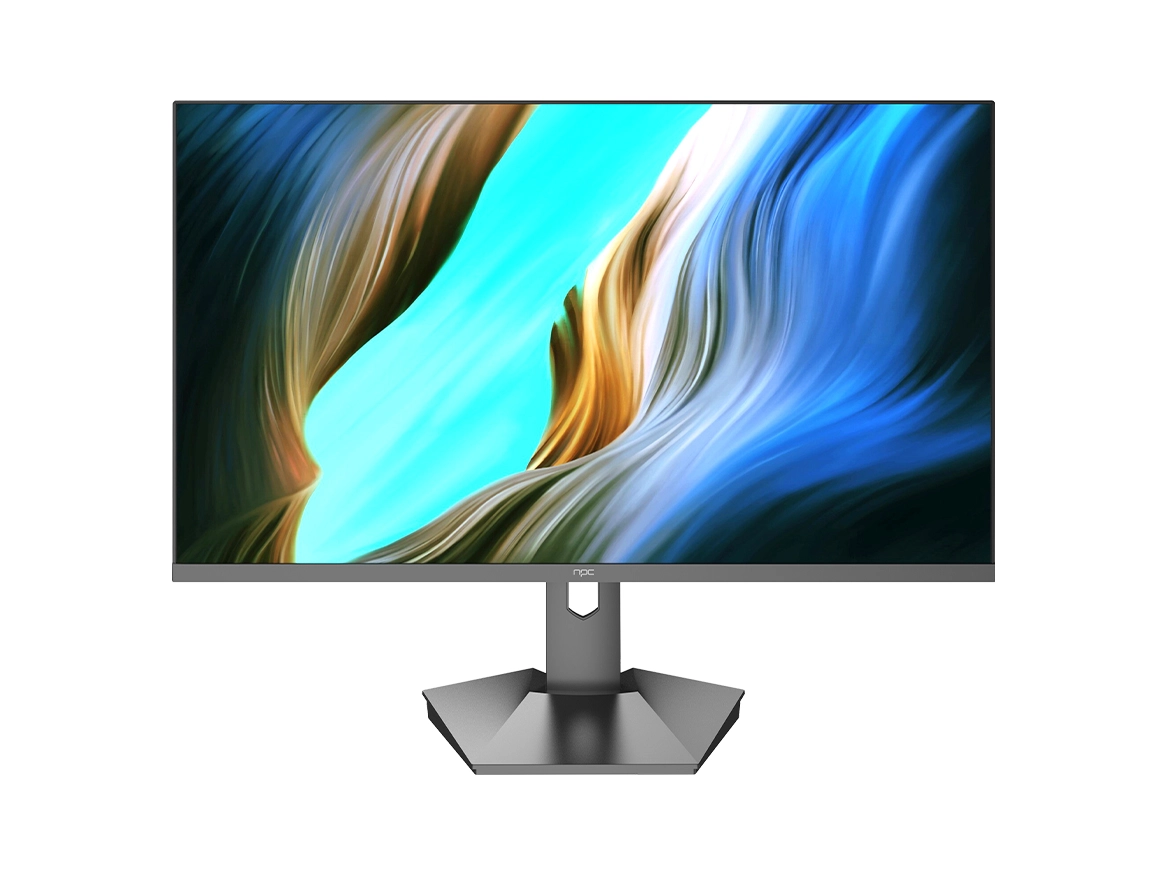


In today’s rapidly evolving technological landscape, the shift toward more versatile and efficient computing solutions is increasingly relevant. Among these developments, the concept of using a smart TV as computer monitor is gaining traction. This article explores the merits of smart monitors versus traditional multi-device setups, focusing on real space and cost savings.
Understanding Smart Monitors
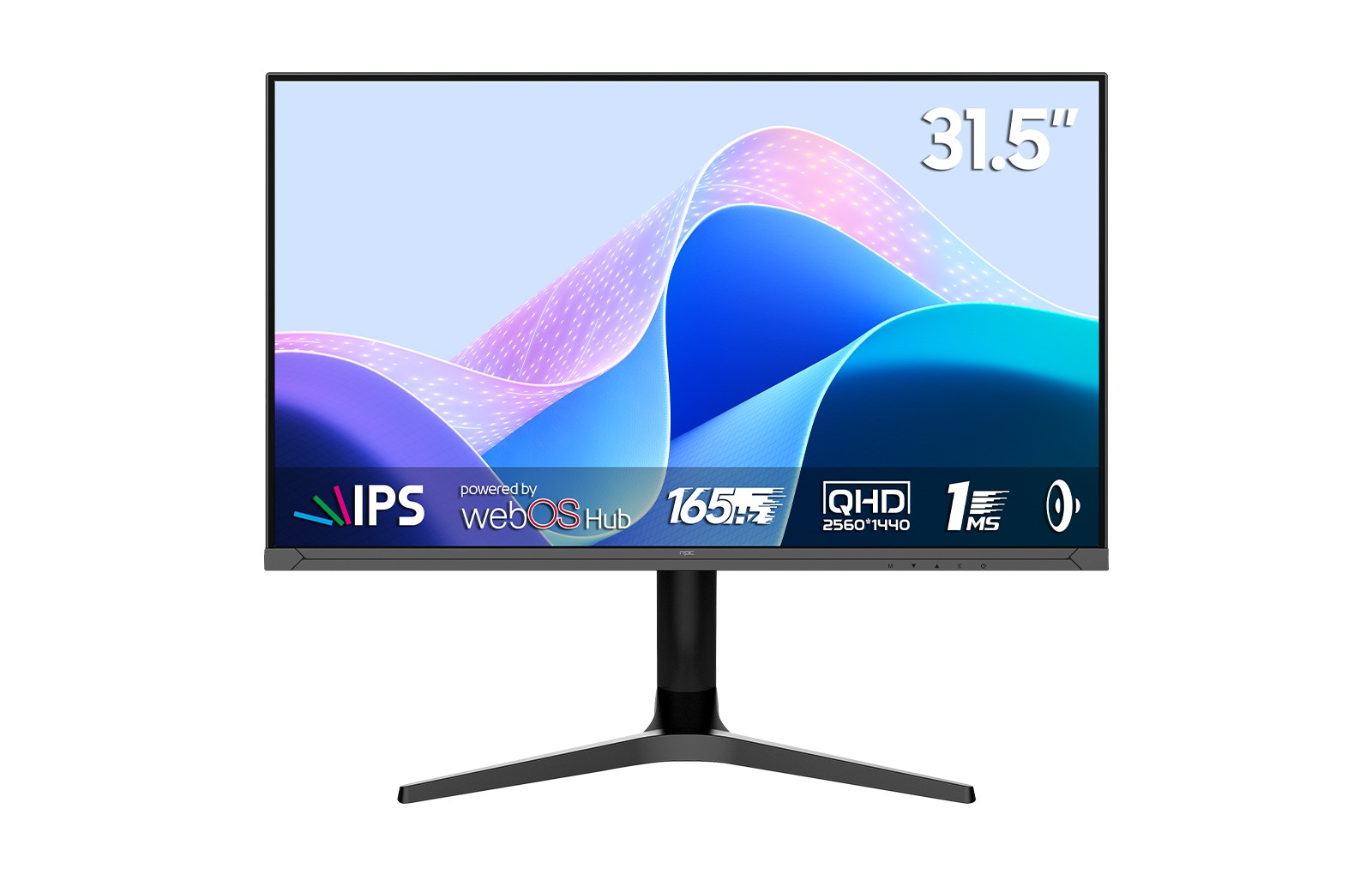
Smart monitors, such as the NPC-MZ3207-Y, represent a significant shift in how we approach our workspace. These devices integrate advanced display capabilities with smart technology, allowing users not just to view content but to interact with it seamlessly. The NPC 31.5-inch QHD (2560x1440) smart monitor, for instance, runs on the LG webOS system, enabling users to access a variety of applications, including popular cloud gaming services.
The use of smart monitors as computer displays offers significant advantages. One of the most notable is their ability to reduce the number of devices required for everyday tasks. By combining features typically found in both TVs and monitors, they simplify the workspace, allowing users to connect readily to laptops, PCs, or use them independently with their cloud services.
Multi-Device Setups: An Alternative Approach
While multi-device setups have been the standard for many users, they often come with challenges that smart monitors can mitigate. Traditional configurations involve various devices—a separate computer monitor, a TV for entertainment, and possibly a gaming console—all occupying space in one space. This arrangement not only consumes more physical space but also requires more hardware, leading to higher costs.
Moreover, each device in a multi-device setup typically requires its own set of cables and connections, further complicating the workspace. In contrast, smart monitors allow users to achieve similar capabilities with fewer devices. For instance, using a smart TV as a computer monitor can streamline the number of items on a desk or entertainment center and reduce the overall cost of purchasing multiple individual devices.
Cost Efficiency and Space Savings
When considering the economic impact of a smart monitor versus a traditional multi-device setup, the benefits become even clearer. Investing in a quality smart monitor can replace multiple devices, consolidating functionalities into a single unit. This not only means lower hardware costs but also savings on energy bills, as fewer devices result in reduced power consumption.
Additionally, the physical space savings are significant. In modern homes where space is often limited, the ability to use a smart TV as a computer monitor can transform an area that would otherwise be cluttered with separate devices into a clean, efficient workspace. The streamlined design of a smart monitor eliminates the need for bulky setups and promotes better organization and aesthetics without sacrificing functionality.
Smart Monitors: The Future of Computing
In conclusion, the debate between smart monitors and multi-device setups highlights notable advantages in efficiency, cost, and space utilization. By choosing a smart monitor like the NPC-MZ3207-Y, users benefit from advanced features such as a high-resolution display and integrated access to cloud gaming platforms. The ability to use a smart TV as a computer monitor not only simplifies the workspace but also proves to be a cost-effective solution for modern computing needs.
NPC is proud to offer solutions like the NPC-MZ3207-Y that embody these benefits, helping users streamline their digital experiences while maximizing both space and budget.


