







Understanding peak brightness is particularly important for professionals working with HDR content. As HDR continues to revolutionize visual experiences, particularly in video editing and design, grasping its implications can help professionals make informed choices when upgrading their monitors and other equipment. This article explores peak brightness, its significance for HDR, and the requirements for enjoying quality HDR content.
Defining Peak Brightness
Peak brightness refers to the highest level of brightness that a screen can achieve, measured in nits (cd/m²). In the context of HDR, which aims to display a broader range of luminance, peak brightness is a critical specification. Traditional displays often reach around 100-300 nits, but HDR supports much higher levels, usually starting at 600 nits and going beyond 1,000 nits for premium displays.
In HDR content, peak brightness enables greater detail in highlights, ensuring that bright areas of an image appear more vibrant and realistic. This is especially important for professionals using a professional PC monitor for tasks such as video editing, where accurate color reproduction and brightness levels are essential for conveying the intended message.
The Role of Peak Brightness in HDR Performance
The impact of peak brightness on HDR performance is significant. HDR content is designed to take advantage of varying brightness levels to create a more immersive experience. A professional PC monitor with higher peak brightness allows for deeper contrast between the darkest and brightest areas of an image.
For example, a monitor that can reach 1,000 nits of peak brightness will display highlights with much greater intensity compared to a standard monitor. This capability is particularly important in fields such as film and animation, where visual details can dramatically influence the audience's reaction. Moreover, the recommended peak brightness for HDR varies based on the content being displayed. For cinematic HDR, a minimum of 1,000 nits is generally preferred to achieve the best results.
How Much Peak Brightness Do You Really Need?
When selecting a monitor, especially a professional PC monitor, determining the necessary peak brightness comes down to individual needs and the nature of your work. For most content creators, a monitor that can reach at least 600 nits is sufficient for basic HDR content. However, for professionals working on high-end projects—such as those intended for theater release or high-quality streaming—a peak brightness of 1,000 nits or more is recommended.
With the right peak brightness, professionals can ensure fidelity in their visual projects, allowing for rich colors and precise highlights. Additionally, it's worth noting that other factors—such as color accuracy, contrast ratio, and HDR format support—play crucial roles alongside peak brightness in determining a monitor’s overall performance.
Unlocking the Potential of HDR with the Right Monitor
Investing in a professional PC monitor that supports high peak brightness is vital for those engaged in HDR imaging and video work. The performance of HDR content relies not just on the brightness levels, but also on how well the monitor can represent color and detail in both shadows and highlights.
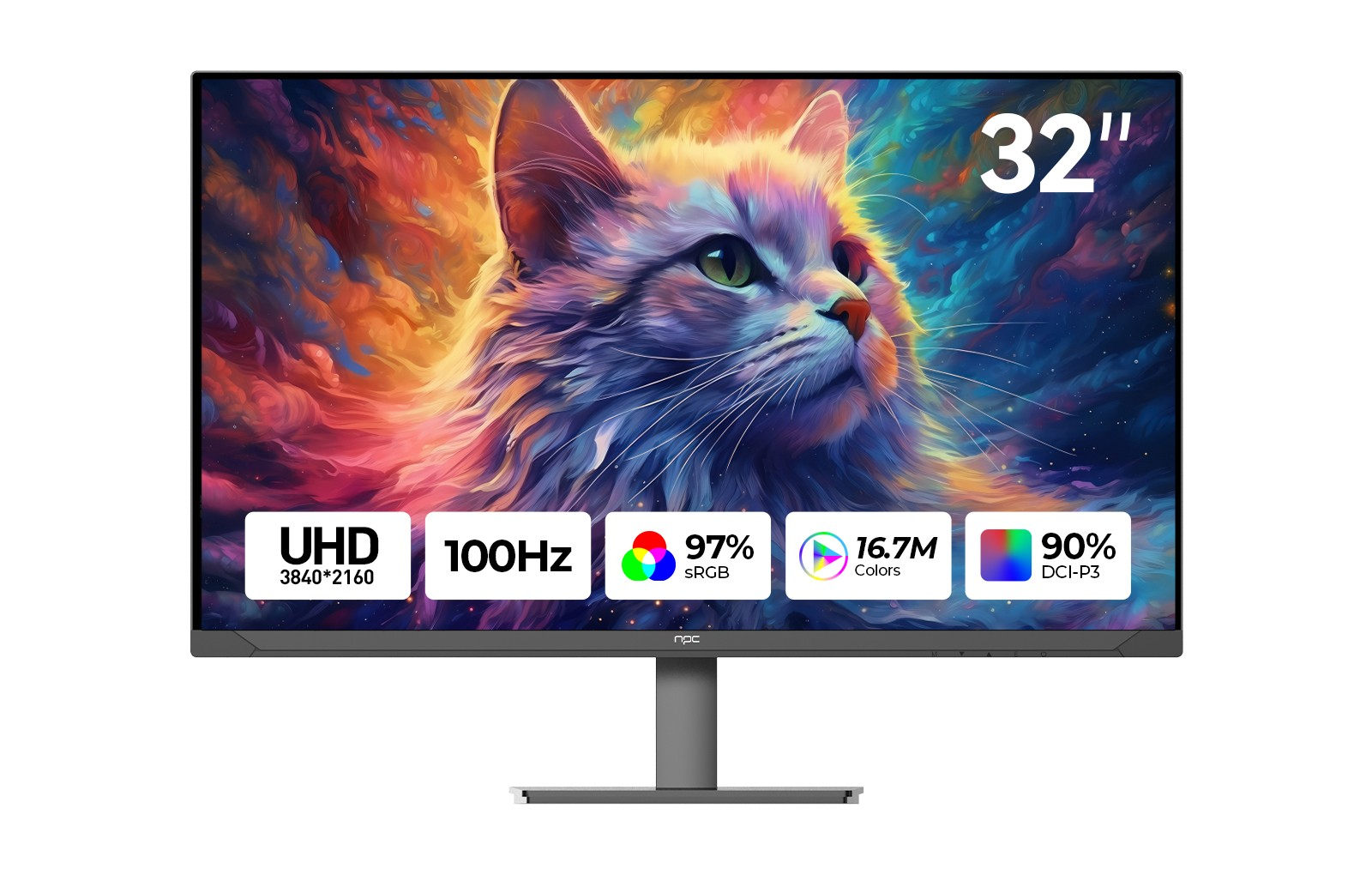
That’s where the NPC-MU3207-K comes into play. This 32-inch Ultra HD monitor offers exceptional peak brightness and a wide color gamut, making it an ideal choice for professional creators who require precision and vibrancy in their work. Using a monitor with these capabilities allows professionals to accurately evaluate and work with HDR content as intended.
In summary, understanding peak brightness is essential for professionals involved in HDR content creation. A monitor equipped with adequate peak brightness not only enhances image quality but also ensures that creators can deliver the best results to their audience.


