






When it comes to color work, choosing the right display technology is highly important for achieving accurate and vibrant visuals. In this article, we will explore the advantages and disadvantages of OLED and LCD displays, focusing on how each affects professionals engaged in graphic design, video editing, and photography. Understanding these differences is crucial for selecting the ideal professional display monitor that meets specific creative needs.
Advantages of OLED Displays
Organic Light Emitting Diode (OLED) technology offers several compelling benefits for color work. One of the primary advantages is its superior color accuracy and contrast ratios. Each pixel in an OLED display generates its own light, allowing for true blacks and a wider color gamut. This characteristic is particularly important for professionals who require precise color reproduction, such as graphic designers and video editors.
Additionally, OLED displays provide better viewing angles. Colors maintain their vibrancy and accuracy even when viewed from the side, making it easier for teams to collaborate in settings where multiple people need to view the screen simultaneously. For those producing HDR content, the deep blacks and high brightness capabilities of OLED become even more significant, enhancing the perceived dynamic range and HDR performance of the content.
However, OLED displays also come with some drawbacks. Image retention, commonly referred to as "burn-in," can occur if static images are left on the screen for extended periods. While modern OLED technology has introduced measures to mitigate this issue, it remains a consideration for professionals who may work with static user interfaces for hours.
The Benefits of LCD Displays
Liquid Crystal Display (LCD) technology has been the standard for many years and remains a popular choice for color work. One of the main advantages of LCD monitors is their affordability. Typically, you can find high-quality LCD options at lower prices than their OLED counterparts, making them a practical choice for budget-conscious professionals.
LCD displays, especially those with in-plane switching (IPS) panels, offer excellent color accuracy and consistency, ideal for detailed graphic work. With advancements in technology, many LCD monitors now support wide color gamuts like DCI-P3, which is vital for video editing and digital content creation.
Another benefit of LCDs is their resistance to image retention. Professionals who use their monitors for various applications—including long hours of graphic design—don’t have to worry about burn-in, which can be a significant concern with OLED displays.
However, LCDs do have limitations. They generally cannot achieve the same level of contrast as OLEDs due to backlight diffusion, which can lead to less vibrant blacks and lower overall picture quality. Additionally, viewing angles can diminish color accuracy and brightness when viewed from the side, making precise color work more challenging in collaborative environments.
Making the Right Choice for Color Work
When selecting a professional display monitor for color work, the decision between OLED and LCD hinges on specific needs and budgetary constraints. For professionals who prioritize color accuracy, dynamic range, and collaboration, OLED may be the superior choice despite its higher price point. The vibrant visuals and superior contrast can enhance the viewing experience, particularly for graphic designers and video editors who require the best fidelity.
Conversely, for individuals or teams managing a variety of tasks or who are working on budget-sensitive projects, a high-quality LCD monitor can still deliver impressive results. Features such as IPS technology ensure good color performance, while affordability makes it accessible for more users.
Ultimately, understanding the pros and cons of each technology will help you make an informed choice that aligns with your specific color work requirements.
Choosing the Right Professional Display Monitor
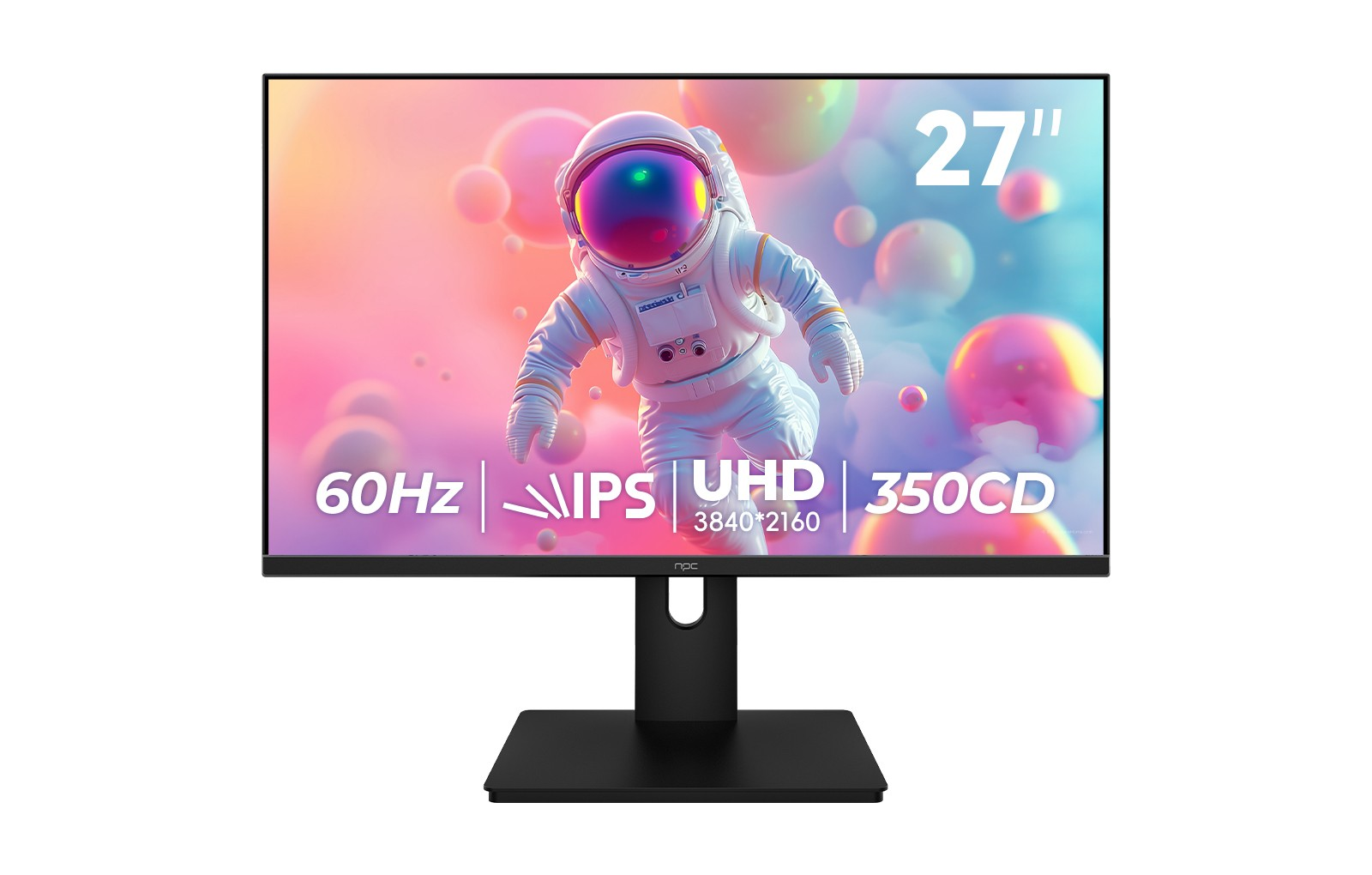
In summary, the decision between OLED and LCD for color work involves weighing the benefits of vibrant color accuracy and viewing angles against affordability and the risks of image retention. For professionals seeking top-notch performance, the NPC-MU270A 27-inch 4K UHD monitor serves as an excellent option, providing a balance of advanced features and reliable performance for color-critical tasks. As you assess your needs, consider how each technology aligns with your creative process to make the best choice for your professional display monitor.


