






The decision to buy a new television often comes down to a single question: How big should I go? In the age of 4K and 8K resolution, the old rule of thumb—"you can't sit too close"—is more relevant than ever. Yet, the ideal screen size isn't just determined by your room dimensions; it is profoundly shaped by the display technology powering the panel.
From the perfect blacks of OLED to the dazzling brightness of QLED and Mini-LED, each smart TV technology has a unique physical "sweet spot" where its inherent strengths are maximized. Understanding these technological nuances is crucial for both manufacturers and consumers aiming to deliver or achieve the ultimate visual experience.
The Resolution Revolution: Why Bigger is Usually Better
Before diving into panel types, we must address the fundamental shift that has made giant screens the standard: resolution. The move from Full HD (1080p) to Ultra HD (4K) quadrupled the pixel density, effectively eliminating the visible pixel grid at normal viewing distances.
For a 4K TV, the generally accepted optimal viewing distance is often cited as 1 to 1.5 times the screen’s diagonal size (or 1.5 times the vertical height). This ratio means that in a standard living room where you might have once needed a 55-inch HD screen, you can now comfortably install a 75-inch or even 85-inch 4K screen without losing picture quality or experiencing eye strain.
This high-resolution standard is why smart TV manufacturers now produce displays up to 100 inches and beyond. A larger screen, viewed at the correct distance, delivers a significantly more immersive, cinematic experience by filling a greater portion of the viewer’s field of vision. The larger the canvas, the more the underlying technology is put to the test.
OLED: Perfection in the Mid-to-Large Range
OLED (Organic Light-Emitting Diode) technology is renowned for its pixel-perfect control. Since each pixel generates its own light and can be individually turned off, OLED delivers perfect black levels and infinite contrast, giving it the edge for cinematic viewing in a dark or dimly lit room.
The performance benefits of OLED are instantly visible, particularly in the details and shadows of darker scenes. This makes OLED a premium choice, and traditionally, its sweet spot has been in the mid-to-large size range:
l OLED Sweet Spot: 55 inches to 77 inches.
While larger 83-inch and even 97-inch OLED panels exist, the manufacturing cost and complexity of scaling this technology make it significantly more expensive than its competitors at the extreme end of the size spectrum. For a viewer prioritizing maximum contrast and color accuracy in a controlled lighting environment, the 65-inch and 77-inch sizes often represent the best balance of immersion and value for OLED technology.
QLED and Mini-LED: The Champion of Massive Displays
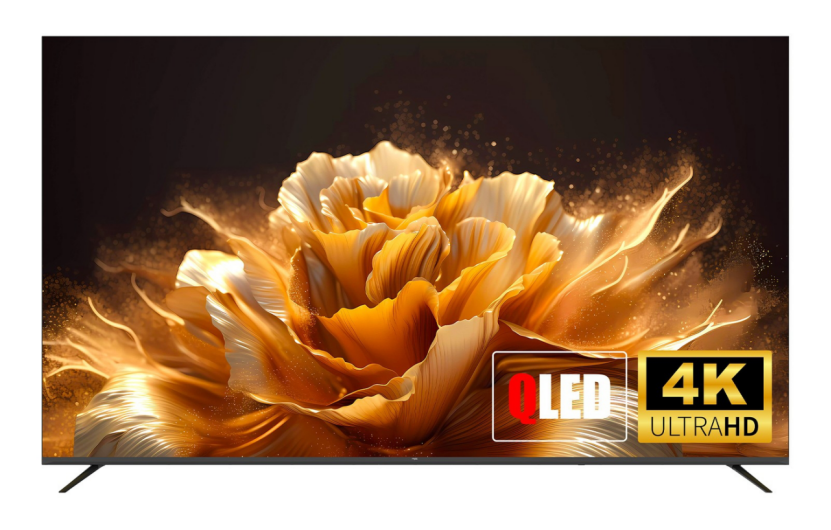
QLED (Quantum Dot LED) and Mini-LED technologies, which are evolutions of the traditional LCD panel, have become the champions of the ultra-large screen segment—the 85-inch to 100-inch market. These technologies use a dedicated LED backlight array, often paired with a Quantum Dot layer to enhance color volume and brightness.
Mini-LED is particularly successful in this arena. By using thousands of tiny LEDs grouped into hundreds or thousands of local dimming zones, it achieves near-OLED black levels while retaining the core strength of LED technology: extreme brightness.
The key advantages that define the screen size sweet spot for QLED and Mini-LED are:
Unmatched Peak Brightness
In bright environments, such as living rooms with large windows or commercial spaces, OLED panels can struggle to compete against ambient light. QLED and Mini-LED panels, however, can achieve significantly higher peak brightness levels, ensuring HDR content truly pops and preventing the picture from looking washed out. This makes them ideal for brightly lit spaces that require screens in the 75-inch to 98-inch size range.
Cost-Effective Scaling
QLED and Mini-LED technologies are more mature and cost-effective to scale up than OLED. When considering TVs larger than 85 inches, the price difference becomes substantial. This cost advantage allows manufacturers like NPC to integrate high-quality QLED and D-LED panels into our TV product lines, offering massive screens that deliver outstanding contrast and brightness without the prohibitive expense often associated with the largest OLED displays.
Smart IPTV webOS: Unifying the Viewing Experience
Regardless of the underlying panel technology—be it QLED, Mini-LED, or D-LED—the ultimate viewing experience hinges on the smart platform. A cutting-edge display is wasted if the interface is clunky or lacks access to premium content.
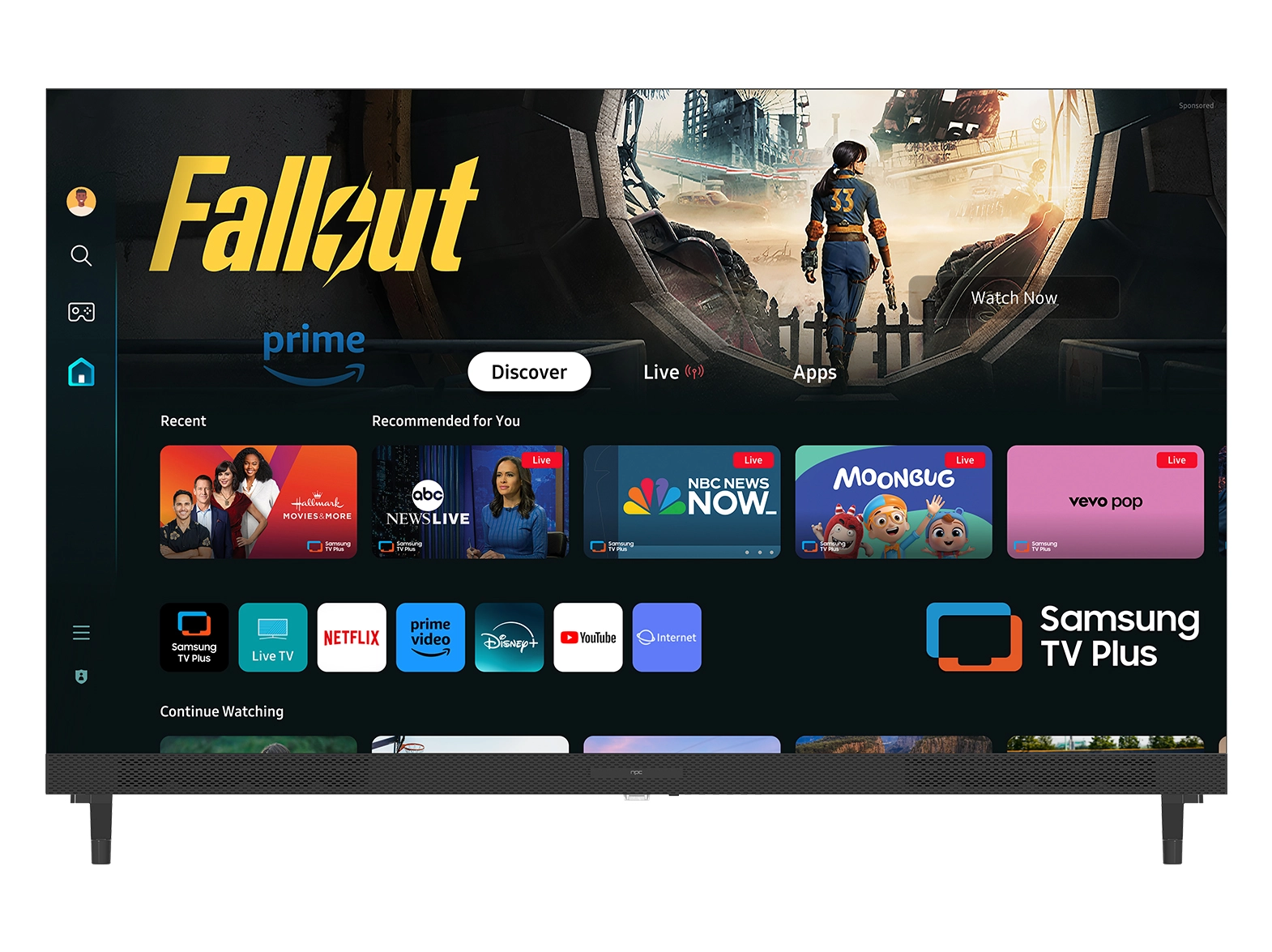
This is where integrating a robust, officially authorized operating system like smart IPTV webOS (often branded as webOS Hub) becomes essential. The platform is designed to provide a unified, intuitive interface across all screen sizes, from 24-inch kitchen TVs up to 100-inch home cinema displays.
Key features of a high-performance smart OS include:
l Universal Content Access: Pre-loaded certifications for global streaming giants like Netflix, YouTube, and Disney+.
l Intuitive Navigation: A clean interface that makes switching between inputs, streaming apps, and live channels seamless.
l Smart Home Integration: Features like ThinQ AI voice control allow the television to become the centerpiece of the smart home, simplifying device management and content search.
For manufacturers, using a licensed platform like webOS Hub ensures a premium, reliable software experience that complements the high-definition hardware, making the transition across different sizes of TV easier for the end-user.
Finding Your Perfect Match
The screen size sweet spot is less about a single number and more about aligning technology, environment, and user expectation.
Technology | Sweet Spot Size Range | Key Advantage | Optimal Environment |
OLED | 55" – 77" | Perfect Black Levels, Infinite Contrast | Dark or Dimly Lit Rooms (Cinematic) |
QLED / Mini-LED | 75" – 100"+ | High Peak Brightness, Cost-Effective Scaling | Bright Rooms, Large Commercial Spaces, Stadium Sports |
The choice between technologies often comes down to budget and brightness requirements. If your goal is a truly massive, high-impact screen for a bright, open living space, QLED or Mini-LED offers the best blend of scale and performance. If your priority is absolute pixel-level contrast in a dedicated home theater, a slightly smaller OLED may be preferable.
Ultimately, thanks to modern resolutions and advanced smart platforms, consumers have more choice than ever to find a display that is not just big, but perfectly tailored to their needs.
Partnering for High-Performance Smart TV Solutions: NPC and webOS Hub
For global businesses and retailers seeking to provide high-quality, cost-effective smart TV solutions across all major size ranges (from 24 inches up to 100 inches), NPC offers robust manufacturing expertise.
Established in 2005, NPC is a technology group specializing in high-definition display products, providing both QLED and D-LED smart TV options. Our webOS Hub series is powered by the officially licensed LG webOS system, ensuring a premium, user-friendly smart experience right out of the box. Key specifications of NPC webOS TVs include QLED and D-LED Display Technologies, Dolby HDR support, and full compatibility with major global streaming services, all built on a reliable chassis (such as the RTD2874 or RTD2864 in various models).
By combining superior display technology with a world-class smart platform, NPC enables partners worldwide to offer cutting-edge smart TVs that meet both the performance and affordability demands of the modern consumer market.


