






When it comes to visual media production, understanding color standards is essential for maintaining consistency and accuracy. As display technology continues to evolve, two major standards — Rec. 709 and Rec. 2020 — are often discussed. At NPC, we work closely with creators, designers, and distributors who demand precise color performance, especially when using professional monitors for editing, grading, and content review.
Understanding Rec. 709: The Industry Foundation
Rec. 709 has long been the standard for HD video production. It defines color space, brightness, and gamma settings to ensure consistent reproduction across HD televisions and monitors. This standard covers the sRGB color gamut, which is ideal for web content, television broadcasting, and most traditional workflows. For many professionals, Rec. 709 remains sufficient, especially when working with professional monitors optimized for accurate color rendering.
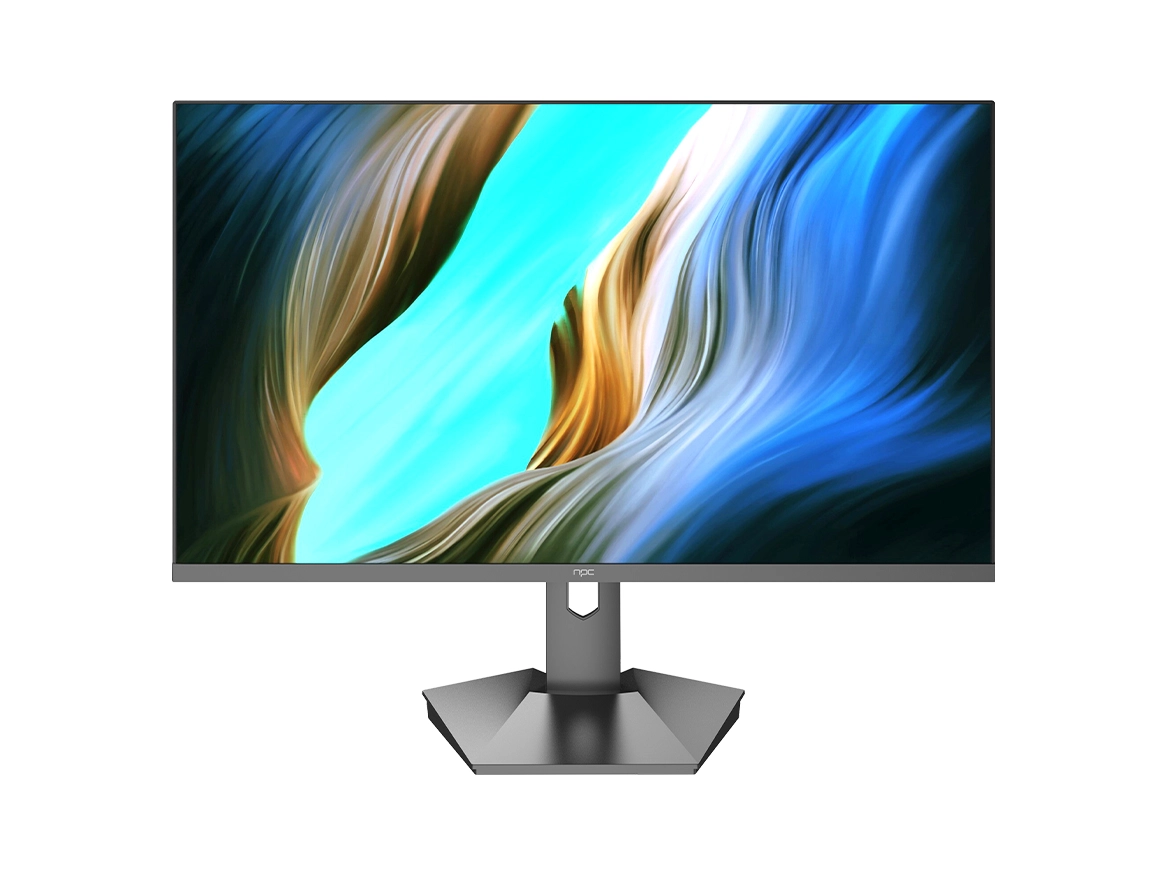
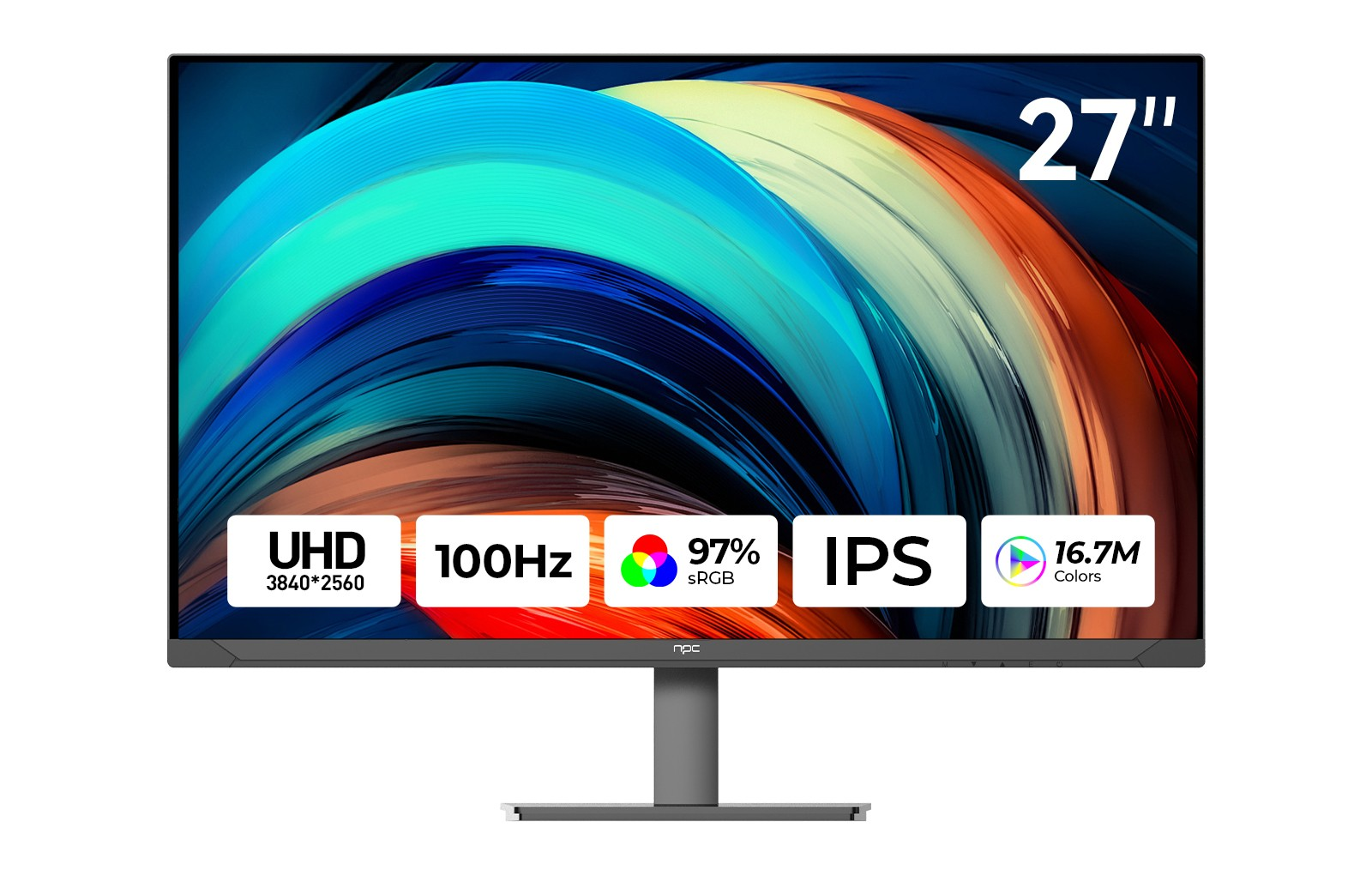
Our NPC-MU2707-K is a perfect example — a 27-inch Ultra HD professional monitor designed with a 97% sRGB color gamut and an IPS ultra-thin panel. It delivers accurate tones and smooth gradients, making it suitable for photographers, video editors, and designers who need dependable performance in Rec. 709 workflows.
Moving Toward Rec. 2020: The Future of Color
While Rec. 709 supports HD content, Rec. 2020 (also known as BT.2020) represents the next generation of visual standards, used primarily in UHD and HDR production. It features a much wider color gamut and higher dynamic range, capable of displaying more vibrant and lifelike visuals. However, to fully experience Rec. 2020 content, users need professional monitors capable of reproducing these advanced color spaces with precision.
At NPC, we’ve seen an increasing demand from professionals transitioning to HDR and 4K workflows. Our NPC-MU2707-K supports HDR10 and DCI-P3 color gamut coverage, giving users a more vivid and immersive experience. With DisplayPort and HDMI connectivity, it integrates seamlessly into both creative studios and home setups, offering flexibility without compromising visual accuracy.
Practical Differences in Real-World Use
The main difference between Rec. 709 and Rec. 2020 lies in their coverage of visible colors and brightness range. Rec. 709 is limited to a smaller spectrum suitable for standard HD video, while Rec. 2020 expands that range to include deeper reds, greens, and blues — colors that are more aligned with what the human eye can perceive. For content creators working on high-end video or cinematic projects, adopting monitors that support Rec. 2020 standards is becoming increasingly important.
This shift also highlights why more professionals choose to upgrade their setups and professional monitors to match the growing demand for accurate HDR and UHD workflows. A reliable display ensures what you see on screen matches the final output — whether it’s broadcast on a 4K TV or projected in a cinema environment.
Conclusion
Both Rec. 709 and Rec. 2020 serve vital roles in video production, with each suited to different levels of content creation. At NPC, we believe that choosing the right professional monitors is crucial for achieving accurate color results. Our NPC-MU2707-K combines 4K resolution, wide color gamut, HDR10 support, and ergonomic design to deliver a versatile experience for creative professionals and visual enthusiasts alike. Whether you’re a distributor, designer, or home user seeking clarity and consistency, NPC offers dependable display solutions designed to bring every frame to life.


