


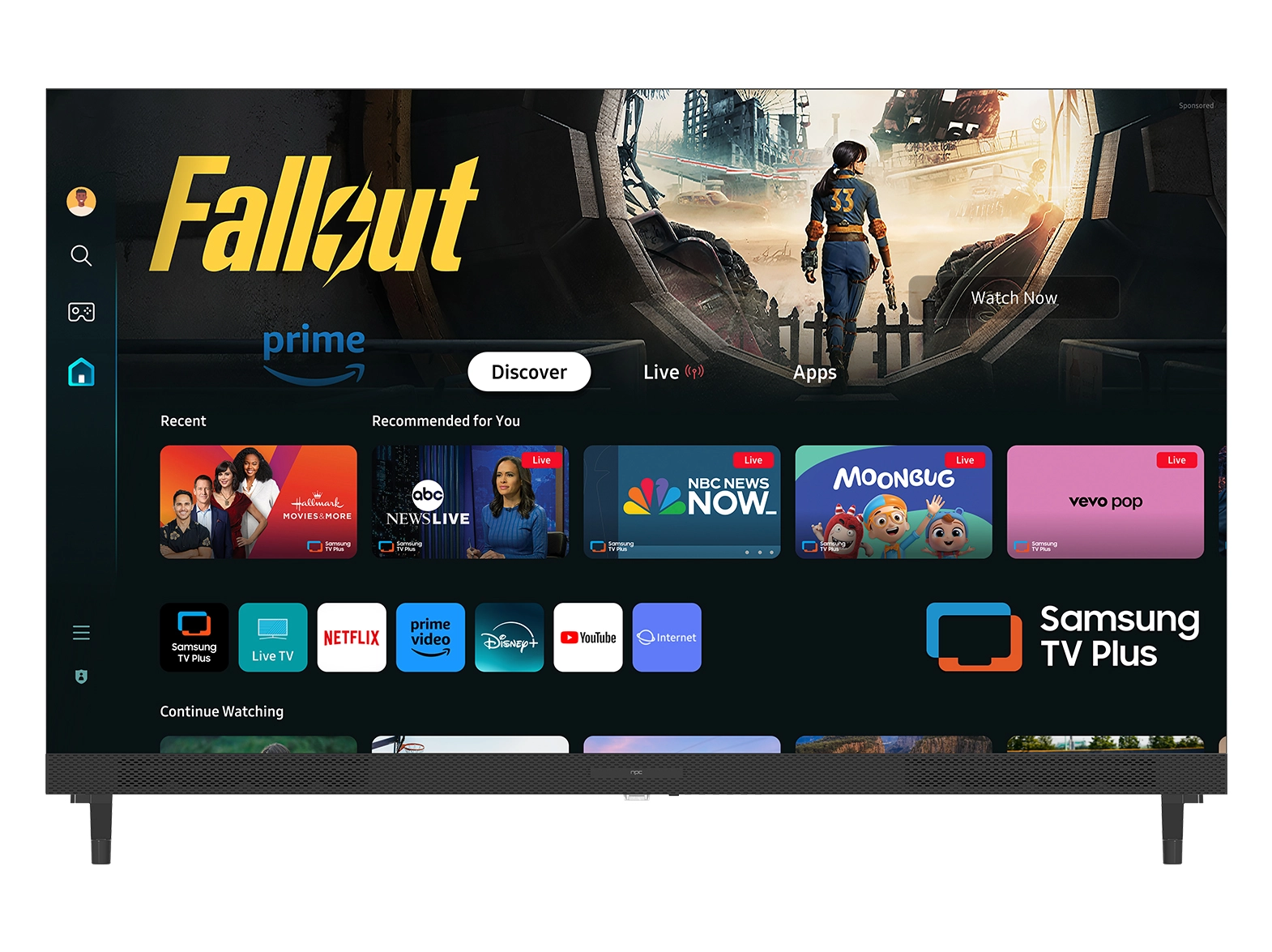




When it comes to color accuracy in photography, every detail matters — from the camera you shoot with to the monitor you edit on. As professionals, we at NPC understand that building the right setup for an Adobe RGB workflow requires a balance between performance, precision, and consistency. Whether you’re editing portraits, landscapes, or commercial visuals, having the right professional monitors for photography is essential to ensure your final output matches your creative vision.

Understanding Adobe RGB and Why It Matters
Adobe RGB is a color space that covers a wider gamut than the standard sRGB, offering richer greens and deeper tones. For photographers, working within Adobe RGB helps preserve subtle color transitions, especially when preparing images for print or high-end digital projects. To take full advantage of this workflow, your display must be capable of reproducing a wide range of colors accurately. That’s why investing in professional monitors for photography is not a luxury, but a necessity. These monitors ensure that what you see on the screen reflects the true colors captured by your camera.
Choosing the Right Display for Editing
When setting up an Adobe RGB workflow, the monitor plays a central role. Factors such as panel type, color gamut, resolution, and refresh rate directly influence editing precision. IPS panels, for instance, are preferred for their wide viewing angles and stable color consistency. A monitor that supports high color accuracy and uniform brightness helps maintain reliable color management across projects.
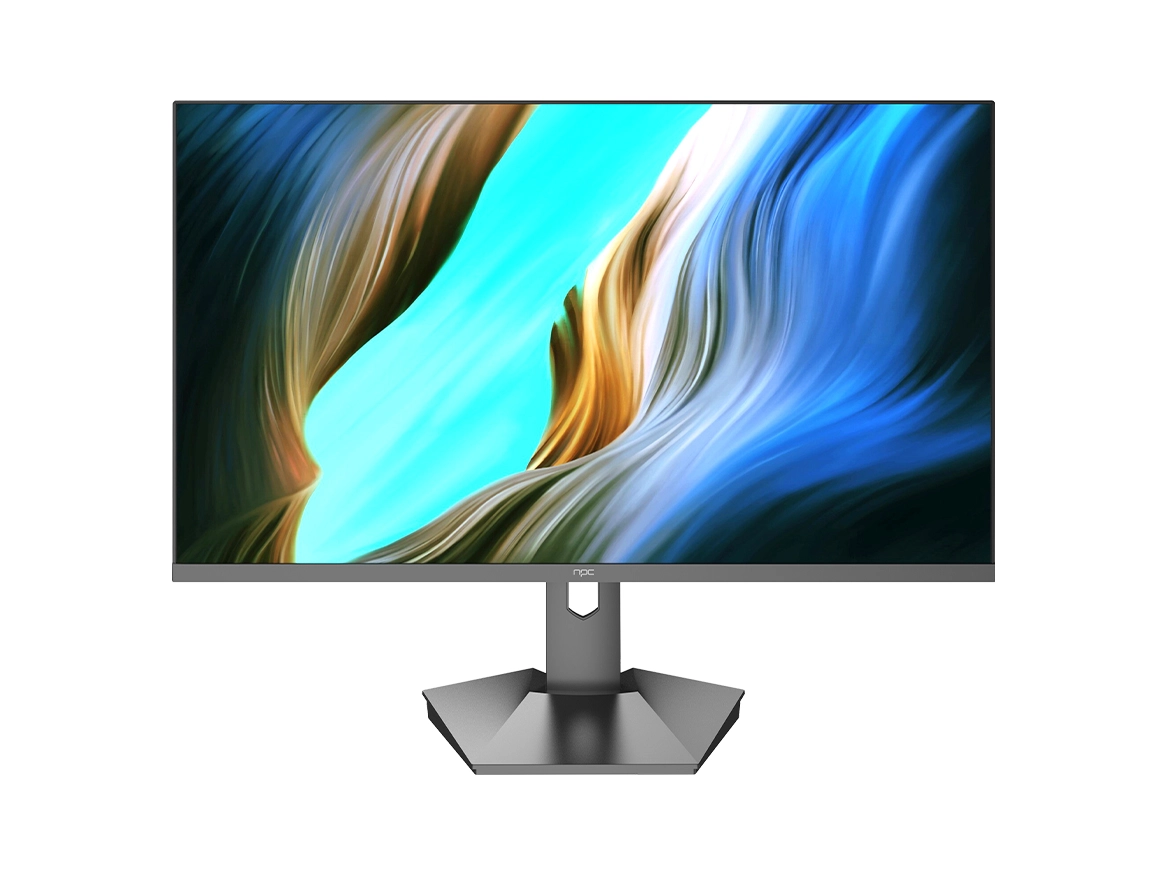
One excellent example is our NPC-MU3207-K, a 32-inch Ultra HD professional monitor designed specifically for designers and photographers. It delivers a 3840x2160 resolution, 97% sRGB, and DCI-P3 color gamut coverage. With HDR10 support and a 100Hz refresh rate, it offers both clarity and smooth performance. This makes it an ideal choice for anyone who wants to upgrade their creative workspace with professional monitors for photography that balance detail and functionality.
Optimizing Your Photography Workflow
To get the most out of your monitor, proper calibration is key. Regularly calibrating your display ensures consistent color reproduction across devices and printing outputs. Pair your monitor with color calibration tools, and make sure your software—such as Adobe Photoshop or Lightroom—is set to the Adobe RGB color space. Additionally, using DisplayPort or HDMI connections, like those available on the NPC-MU3207-K, maintains signal integrity and ensures that every hue is accurately represented. Keeping your workspace lighting neutral also prevents visual distortion, allowing you to focus on true-to-life editing results.
Conclusion
Building an effective Adobe RGB photography setup involves understanding both technology and technique. Choosing reliable hardware like professional monitors for photography ensures that your creative output stays consistent and accurate throughout every stage of editing. At NPC, we are dedicated to providing display solutions that support photographers, designers, and content creators who value precision and quality. Our NPC-MU3207-K offers an advanced balance of high resolution, vibrant color performance, and ergonomic design — making it a trusted tool for anyone striving for visual perfection in their workflow.


