




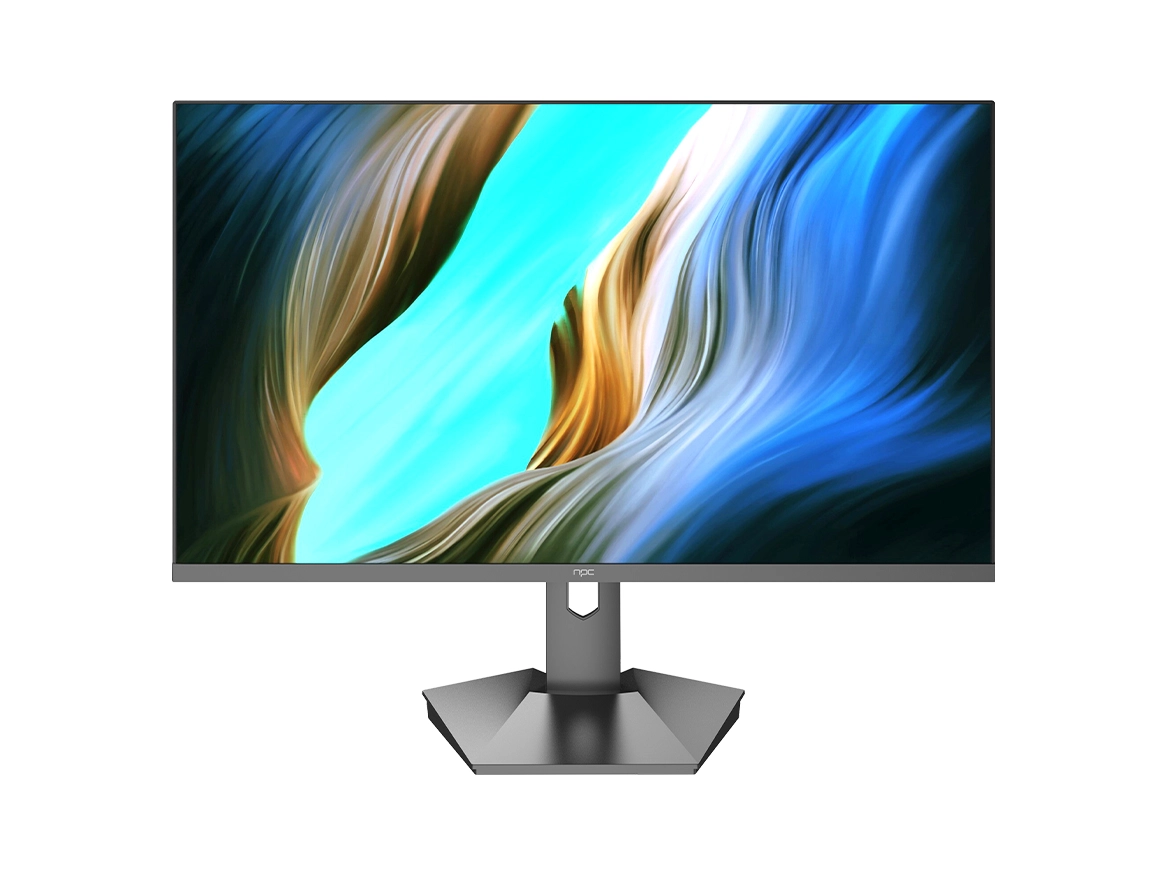


When it comes to gaming with a high-performance 240 gaming monitor, the terms Hz and FPS are often thrown around. But what exactly is the difference between them? Let's explore this in detail.
Hz - The Monitor's Refresh Rate
Hz represents the refresh rate of the monitor. In simple terms, it is the number of times per second that the monitor can update the image it displays. For an NPC 240 gaming monitor with a 240 Hz refresh rate, this means the screen can redraw the entire image 240 times within a single second. A higher refresh rate provides several benefits. It reduces motion blur, making fast-moving objects in games appear clearer and more defined. This is especially important in action-packed games where quick reactions are needed. For example, in a first-person shooter, being able to clearly see an enemy's movement can give a significant advantage. Additionally, a higher Hz can make the overall gaming experience more comfortable for the eyes, reducing eye strain during long gaming sessions. It creates a smoother visual flow, making the game feel more immersive and realistic with NPC's advanced display technology.
FPS - The Game's Frame Output
FPS refers to the number of frames per second that the gaming system or the graphics card is capable of generating. Each frame is an individual image that makes up the continuous animation of the game. The more frames the system can produce in a second, the smoother the gameplay appears.
The FPS is influenced by various factors such as the power of the hardware components (such as the CPU and GPU), the optimization of the game software, and the complexity of the game's graphics. A high-end gaming system with a powerful graphics card can typically produce a higher FPS compared to a less powerful one.
Different games also have different requirements for FPS. Some games may be more demanding in terms of graphics and processing power, resulting in lower FPS on the same system. For example, a graphically intense open-world game may have a lower FPS compared to a simple 2D puzzle game.
The Interaction and Impact on Gaming
The relationship between Hz and FPS is crucial for a good gaming experience with NPC's gaming products. Ideally, the FPS generated by the gaming system should match or exceed the refresh rate of the NPC monitor. When this happens, the monitor can display each frame smoothly without any lag or stuttering. If the FPS is lower than the Hz of the monitor, the monitor may have to display the same frame multiple times, resulting in a choppy gaming experience. On the other hand, if the FPS is much higher than the Hz, although the extra frames may not be fully utilized by the monitor all the time, they can still contribute to reduced input lag and a more responsive feel during gameplay. Gamers often tweak their system settings and upgrade their hardware to achieve a balance between Hz and FPS with the help of NPC's gaming optimization guidance.
Conclusion
In conclusion, NPC emphasizes the importance of understanding the distinction between Hz and FPS. For those in the gaming world or providing gaming setups, this knowledge is crucial. By comprehending how these factors collaborate and optimizing them with our expert assistance, one can greatly enhance the gaming experience. Whether it's selecting the right gaming monitor with an ideal refresh rate like our 240 gaming monitors or building a gaming system capable of high FPS, attention to these details makes a significant impact. With NPC, we ensure your gaming system can fully utilize the capabilities of our monitors for smooth and immersive gameplay.


