




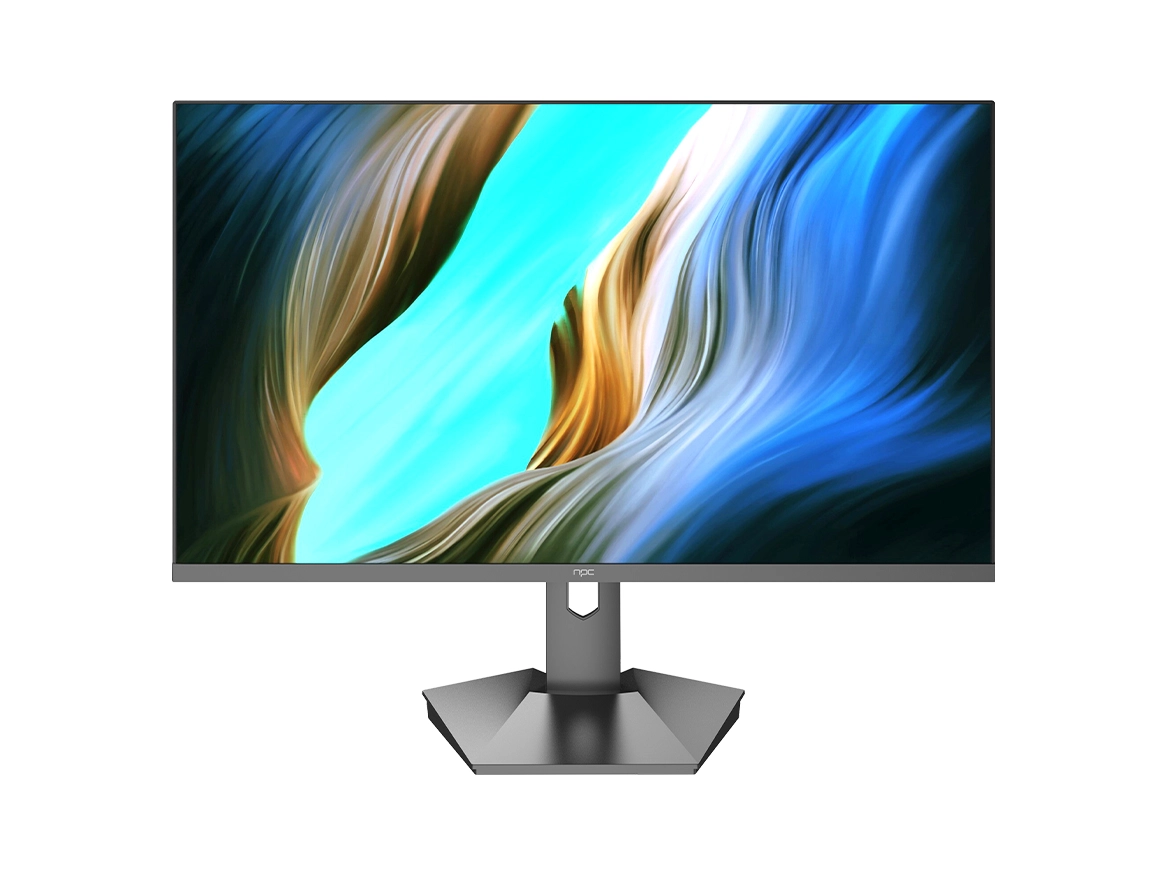


In the world of gaming with high-performance equipment like a 240 fps gaming monitor, understanding the concepts of Hz and FPS is crucial. But are they truly the same? Let's find out.
Definition and Nature of Hz
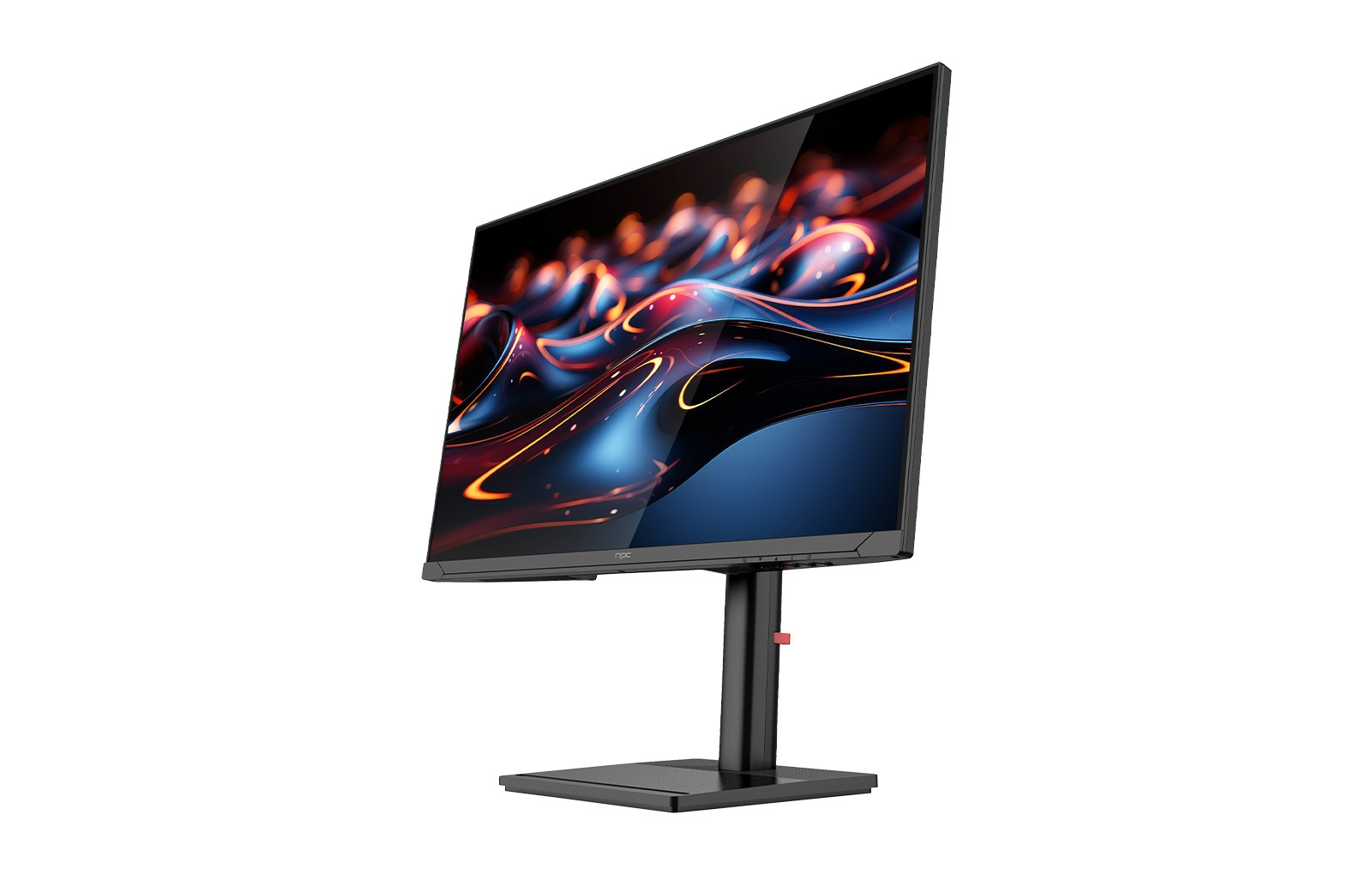
Hz, or hertz, in the context of a monitor refers to the refresh rate. It indicates how many times per second the monitor can display a new image. For a 240 Hz monitor, this means it is capable of refreshing the screen 240 times within a single second. This continuous and rapid refreshing creates a smooth visual experience, especially in fast-paced gaming scenarios.
The refresh rate is determined by the hardware capabilities of the monitor itself. It is a fixed characteristic of the display device and plays a vital role in presenting a seamless flow of visuals. Without an adequate refresh rate, motion on the screen can appear choppy or blurry, especially in games with quick movements.
Definition and Nature of FPS
FPS, or frames per second, is related to the output of the gaming system or the graphics processing unit. It represents the number of individual frames of the game that are generated by the computer in one second. A higher FPS means the game is producing more images in the same time period, resulting in smoother and more detailed animations.
The FPS is influenced by various factors such as the power of the graphics card, the processing capabilities of the CPU, and the optimization of the game software. Different games and system configurations can result in different FPS values. For example, a highly demanding game with complex graphics may have a lower FPS on the same system compared to a simpler game.
Interaction and Relationship
While Hz and FPS are related, they are not the same thing. The monitor's refresh rate (Hz) from NPC determines how often it can display new images, but it depends on the gaming system to provide the frames (FPS). Ideally, for the best gaming experience, the FPS generated by the system should match or exceed the refresh rate of the monitor. If the FPS is much lower than the Hz of the monitor, the monitor will have to repeat some frames, resulting in a less smooth gaming experience. On the other hand, if the FPS is significantly higher than the Hz, although the extra frames may not be directly visible on the screen all the time, they can contribute to reduced input lag and a more responsive feel during gameplay. However, achieving a balance between the two is essential. Gamers often strive to optimize their system settings and hardware to ensure a high and stable FPS while also using a monitor with a suitable refresh rate from NPC to fully enjoy the smooth visuals.
Conclusion
In conclusion, at NPC, we understand the significance of Hz and FPS in gaming performance. These two elements are distinct yet interdependent. For those aiming for an optimal gaming experience with our 240 fps gaming monitor, comprehending their differences and synergy is essential. By guaranteeing a proper alignment between the capabilities of your gaming system and the monitor's refresh rate, you can relish seamless gameplay with crystal-clear and fluid visuals. It's all about discovering the ideal combination with NPC to unlock the full potential of both your hardware and software in your gaming setup.


