






In the demanding world of B2B technology procurement, efficiency and long-term value often outweigh raw performance. For system administrators and IT managers building a fleet of streamlined workstations, the performance of the Integrated Graphics Processing Unit (iGPU) is a pivotal factor. The iGPU determines everything from multi-monitor support and video conferencing clarity to basic content creation capabilities, all while defining the device's thermal profile and power consumption.
The current market is dominated by two primary contenders in the integrated graphics space: Intel’s Xe Architecture (marketed as Iris Xe and Intel UHD Graphics) and AMD’s Radeon Graphics (based on Vega and RDNA architectures). Understanding the nuances of these two powerhouses is crucial for making informed hardware decisions for your next deployment of enterprise devices, such as space-saving All-in-One (AIO) PCs.

Architecting Efficiency: Intel Xe Graphics
Intel’s introduction of the Xe (Gen12) architecture marked a significant leap forward, moving past their long-standing, performance-stagnant UHD Graphics predecessors. The Xe architecture is modular and scalable, allowing Intel to deploy it across everything from low-power mobile chips (Iris Xe and UHD Graphics in Core U and H series) to high-end discrete GPUs (Arc).
For the typical business setting, this architecture brings several key advantages:
l Enhanced Multimedia Capabilities: Xe boasts superior media engines, offering accelerated encoding and decoding for modern video codecs like AV1, which is crucial for reducing bandwidth strain during high-definition video conferencing and streamlining digital signage content updates.
l Improved Execution Units (EUs): Chips featuring the full Iris Xe implementation (typically 80 or 96 EUs) offer considerable performance gains over older Intel generations. These gains translate into smoother performance for professional applications like Photoshop or complex spreadsheet modeling, tasks that occasionally leverage GPU acceleration.
l Power and Thermal Management: A key benefit in systems like an All in one PC intel is power efficiency. Xe is designed to deliver a strong performance-per-watt ratio, enabling sleek, silent, and thin-chassis AIO designs that maintain stable performance throughout the workday without excessive heat.
Intel has placed a high priority on driver stability and ecosystem integration, which is a vital consideration for enterprise environments requiring long-term, reliable support and compatibility with standard Windows and corporate software suites.
AMD’s Competitive Edge: Radeon Graphics
AMD has long held a respected position in integrated graphics, primarily through its use of the Radeon Vega and, more recently, RDNA 2 (and newer) architectures within its Ryzen APUs (Accelerated Processing Units).
AMD’s integrated offerings are known for their raw graphical horsepower, often maintaining an edge in pure frame rates and compute throughput compared to Intel's offerings at similar power levels.
l Gaming and 3D Performance: Even in the lower-powered chips relevant to AIOs, the Radeon graphics typically provide a more robust experience for light 3D modeling or legacy applications that require higher graphics throughput. For companies in design, architecture, or game development, this slight performance lead can be a deciding factor.
l Unified Architecture: AMD's approach, where the CPU and GPU reside on the same die with ultra-high-speed memory fabric connecting them, allows for extremely efficient data transfer. This tight coupling contributes to the strong performance metrics seen in their APUs.
l Scalability: While Intel's Xe is scalable, AMD's Radeon architecture has proven its ability to scale effectively from the tiniest mobile chips all the way up to powerful gaming consoles and discrete graphics cards, ensuring a well-optimized path for developers.
However, historically, AMD drivers have sometimes been more focused on consumer gaming rather than enterprise certification and stability, though this gap has narrowed significantly in recent years.
The New Baseline of Business Computing: Integrated Graphics for Your All in one PC intel Fleet
When evaluating which integrated graphics platform is best suited for a modern workstation deployment, the decision boils down to the intended workload.
Feature | Intel Xe (Iris Xe/UHD Graphics) | AMD Radeon Graphics (Vega/RDNA) | B2B Advantage |
Architectural Focus | Media encoding, power efficiency, stable platform. | Raw graphical throughput, 3D/gaming performance. | Intel: Superior for modern video conferencing and AIO thermal management. |
Video Codecs | Excellent support, including the crucial AV1 codec. | Strong support, though AV1 availability is newer on some mobile chips. | Intel: Future-proofing for streaming and remote work. |
Driver Stability | Strong enterprise focus, well-known for stability and certified drivers. | Improved recently, but traditionally more consumer-focused. | Intel: Reliability and reduced IT maintenance overhead. |
For most corporate environments focused on multitasking, data processing, heavy browser-based work, and consistent video conferencing, the Intel Xe architecture offers the most balanced and reliable platform. Its specialized media acceleration and proven driver stability make it the pragmatic choice for minimizing operational downtime and maximizing conferencing efficiency.
When planning an IT deployment, selecting hardware that leverages these optimized iGPUs—like high-efficiency AIO PCs—ensures you are investing in a future-proof, clutter-free solution.
Reliable Computing Solutions: Introducing NPC
Finding the right hardware partner is just as critical as selecting the right architecture. For businesses seeking reliable, high-performance integrated solutions designed for volume deployment, the NPC brand provides a strategic advantage.
NPC is a global technology group company specializing in the research, production, and worldwide sales of high-definition display products and personal computer products, with a strong focus on delivering customized, cost-effective solutions for the B2B market. Leveraging robust manufacturing capabilities and a global supply chain, NPC ensures that its products meet strict quality standards without compromising affordability.
A flagship example of this commitment is the NPC Intel All-in-One PC series. Designed for modern workspaces, these AIO PCs integrate the optimal blend of performance and form factor. Key specifications include:
l Processor: Equipped with efficient Intel® Core™ processors, such as the i5-12450H or i5-13420H.
l Integrated Graphics: Utilizing the robust Integrated Intel® UHD Graphics (built on the Xe architecture) for reliable, everyday business performance and multimedia support.
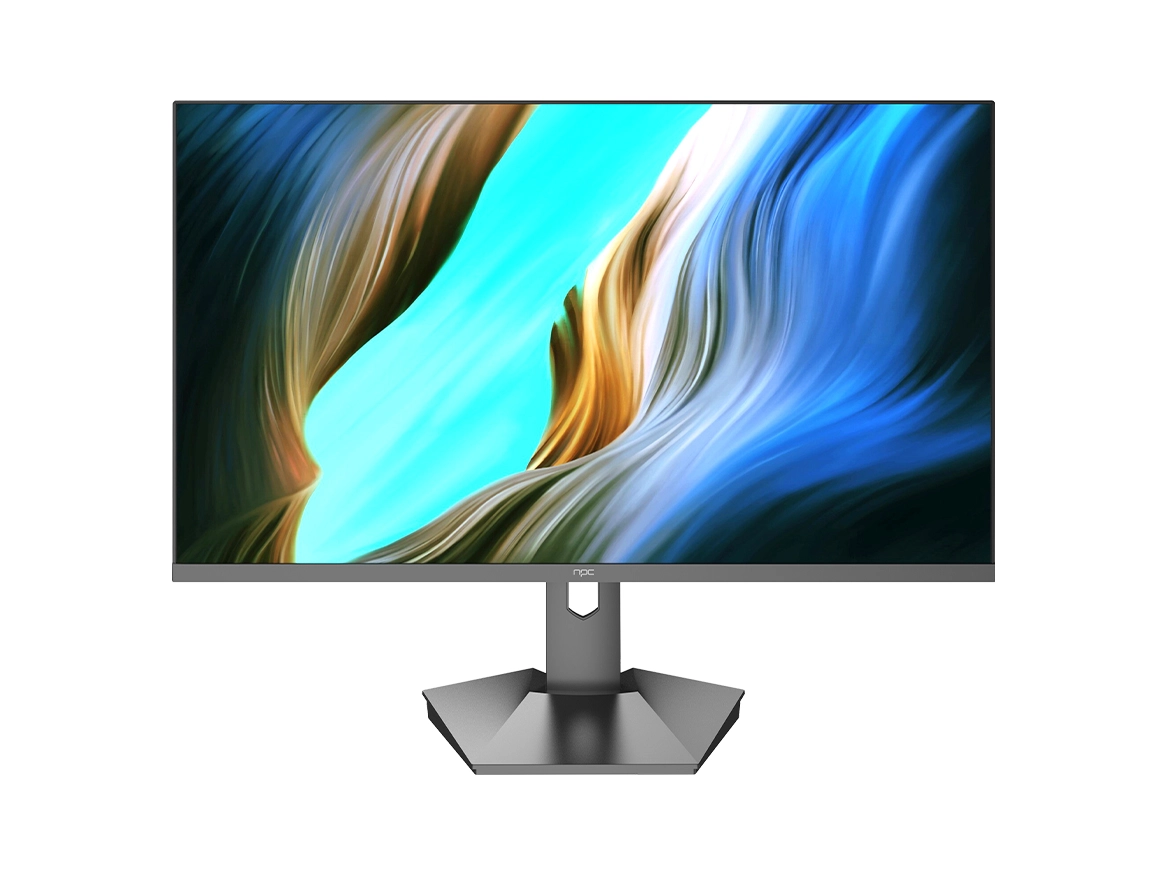
l Display: Offered in sleek 24-inch or 27-inch high-definition (1920x1080) screens, featuring refresh rates up to 100Hz for smooth visual experience.
l Memory & Storage: Standard configuration includes 16GB of 3200MHz DDR4 RAM (expandable up to 64GB) and a fast 512GB M.2 2280 SSD, providing exceptional speed for multitasking and rapid application loading.
By choosing an NPC All in one PC intel solution, businesses secure not just powerful hardware built around the efficient Intel Xe architecture, but also a dedicated manufacturing partner committed to global service and customizable supply chain solutions.


